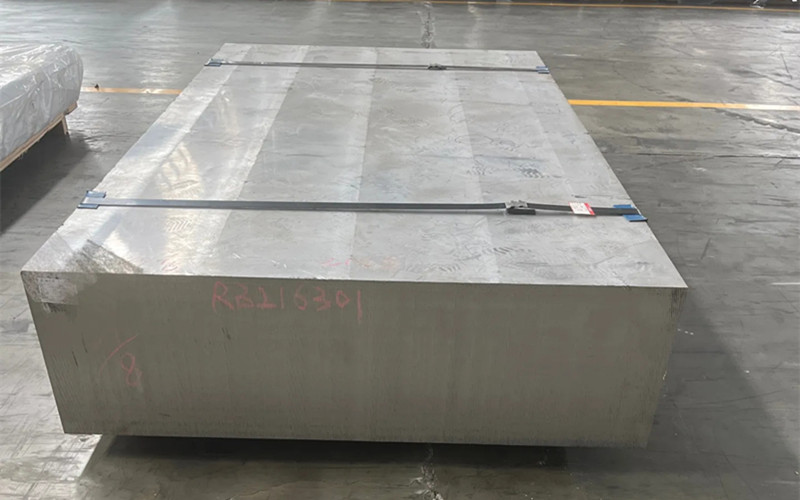
7050 7049 7075 Aluminum Forgings | Rings Blocks Bars Tubes
High-strength aluminum forgings in 7050, 7049, and 7075 alloys. Available as forged rings, blocks, round bars, and tubes for aerospace, defense, and industrial applications.
Shenzhen Chinalcometal manufacture high-performance aluminum forgings Rings Blocks Bars Tubes in 7050, 7049, and 7075 alloys, designed for demanding structural applications where high strength, fatigue resistance, and weight reduction are critical.
Product Forms
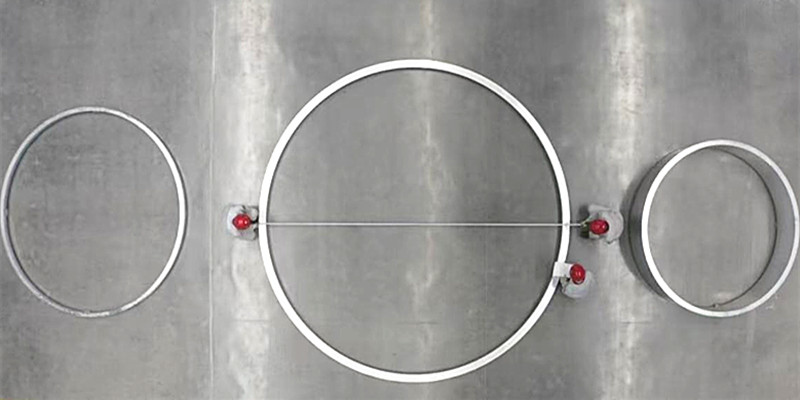
Aluminum Forged Rings
Seamless rolled rings
Large-diameter structural rings
Aerospace bearing rings
Aluminum Forged Blocks
Rectangular or square forgings
Machining stock for precision components
Mold and tooling bases
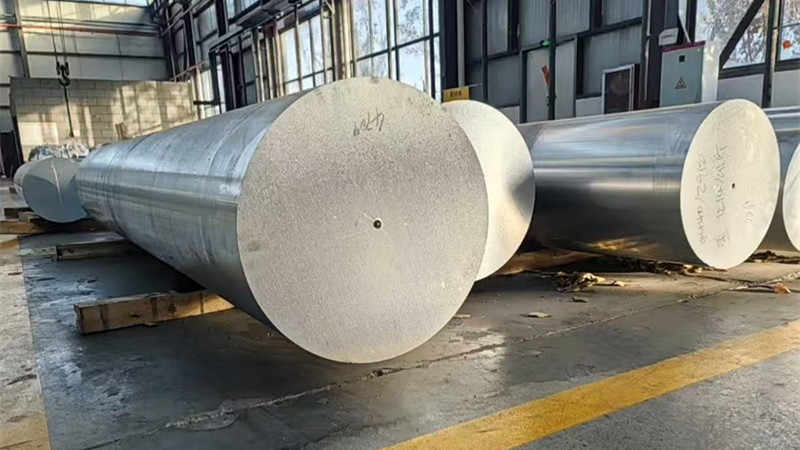
Aluminum Forged Round Bars
Large diameter bars for machining
Structural shafts and mechanical parts
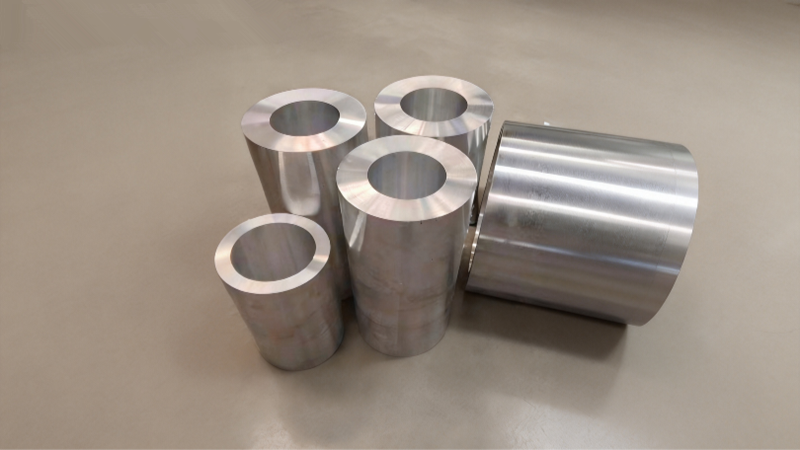
Aluminum Forged Tubes
Hollow forged cylinders
Pressure and rotating equipment components
| Product Specification | Size Capability |
|---|---|
| Forged Rings Diameter | 100 – 12,000 mm |
| Forged Blocks Weight | 8 – 10 tons |
| Round Bars Diameter | 100 – 1,000 mm |
| Forged Tubes Diameter | 200 – 1,500 mm |
| Forged Tubes Wall Thickness | 50 – 500 mm |
ASTM / AMS Standards
ASTM B247 – Aluminum alloy forgings
ASTM B221 – Aluminum bars and profiles
AMS 4121 / AMS 4122 – 7075 forgings
AMS 4050 / AMS 4051 – 7050 aerospace alloy
EN Standards
EN 573 – Chemical composition
EN 10204 – Mill test certification
EN 586 – Forging
7050 vs 7049 vs 7075 Aluminum Alloy Comparison
| Property | 7050 Aluminum | 7049 Aluminum | 7075 Aluminum |
|---|---|---|---|
| Alloy System | Al-Zn-Mg-Cu | Al-Zn-Mg-Cu | Al-Zn-Mg-Cu |
| Strength Level | Very High | High | Very High |
| Tensile Strength | 510 – 570 MPa | 480 – 540 MPa | 520 – 580 MPa |
| Yield Strength | 440 – 500 MPa | 420 – 480 MPa | 460 – 520 MPa |
| Stress Corrosion Resistance | Excellent | Very Good | Moderate |
| Fatigue Resistance | Excellent | Good | Excellent |
| Fracture Toughness | High | Medium | Medium |
| Heat Treatment | T74 / T7451 | T6 / T73 | T6 / T651 |
| Aerospace Use | Primary Aircraft Structures | Structural Forgings | Aerospace & High-Strength Parts |
Engineering Selection Guide
Choose T6 when maximum strength is required.
Choose T74 when corrosion resistance and durability are critical.
Choose T7451 when dimensional stability and aerospace reliability are required.
| Temper | Strength Level | Corrosion Resistance | Stress Stability | Typical Use |
|---|---|---|---|---|
| T6 | Highest | Moderate | Moderate | High-Strength Parts |
| T74 | High | Excellent | High | Aerospace Structures |
| T7451 | High | Excellent | Very High | Critical Aircraft Forgings |
Typical Aerospace Components Made from Aluminum Forgings
Aircraft landing gear components
Wing structural fittings
Engine mounts
Fuselage frames
Structural brackets
High-load shafts and rings
Why Aerospace Manufacturers Prefer Forgings
1.Improved Grain Flow
During forging, the metal's grain structure follows the shape of the component, improving mechanical strength and fatigue life compared to plate materials.
2.Higher Structural Integrity
Forging compresses internal voids and improves density, resulting in stronger and more reliable material performance.
3.Better Fatigue Performance
Aircraft components often experience cyclic loading. Forged materials provide superior fatigue resistance, reducing the risk of crack initiation.
4.Superior Load Distribution
Forgings perform better under complex multi-directional stresses, which are common in aerospace structures.
5.Reduced Machining Waste
Near-net-shape forging allows manufacturers to remove less material during machining, improving material utilization and cost efficiency.
Quality Control for Aluminum Forgings (EN · AMS · ASTM Standards)
1. Ultrasonic Testing (UT)
Ultrasonic testing (UT) is the most widely used nondestructive inspection method for aerospace forgings.
ASTM A388 – Ultrasonic examination of steel forgings (often referenced for general UT practice)
AMS 2631 – Ultrasonic inspection requirements for aerospace forgings
AMS 2630 – Ultrasonic inspection of aluminum alloys
2. Dye Penetrant Testing (PT)
Penetrant inspection is used to detect surface defects that cannot be seen visually.
ASTM E1417 – Liquid penetrant testing
AMS 2644 – Penetrant materials specification
3. Mechanical Property Testing
Mechanical tests confirm that forgings meet required performance specifications.
Tensile testing (ASTM E8 / ISO 6892-1)
Hardness testing
Impact testing (when required)
4. Chemical Composition Analysis
Spectrometers or chemical analysis are used to confirm alloy composition.
Typical Standards
ASTM E1251 – Aluminum alloy chemical analysis
EN 573 – Chemical composition limits
5. Dimensional & Visual Inspection
Final inspection confirms:
dimensional tolerances
surface quality
geometry compliance with engineering drawings
Get Qualified Aerospace-Grade Aluminum Forgings
Partner with Shenzhen Chinalcometal for reliable, high-strength aluminum forgings in 7050, 7049, and 7075 alloys. All forged rings, blocks, round bars, and tubes undergo strict inspection and quality control before delivery, ensuring full compliance with AMS, ASTM and EN standards.
Whether for aerospace, defense, or critical industrial applications, we deliver forgings you can trust for performance, consistency, and safety.
Contact us today to request a quote or discuss your project requirements.