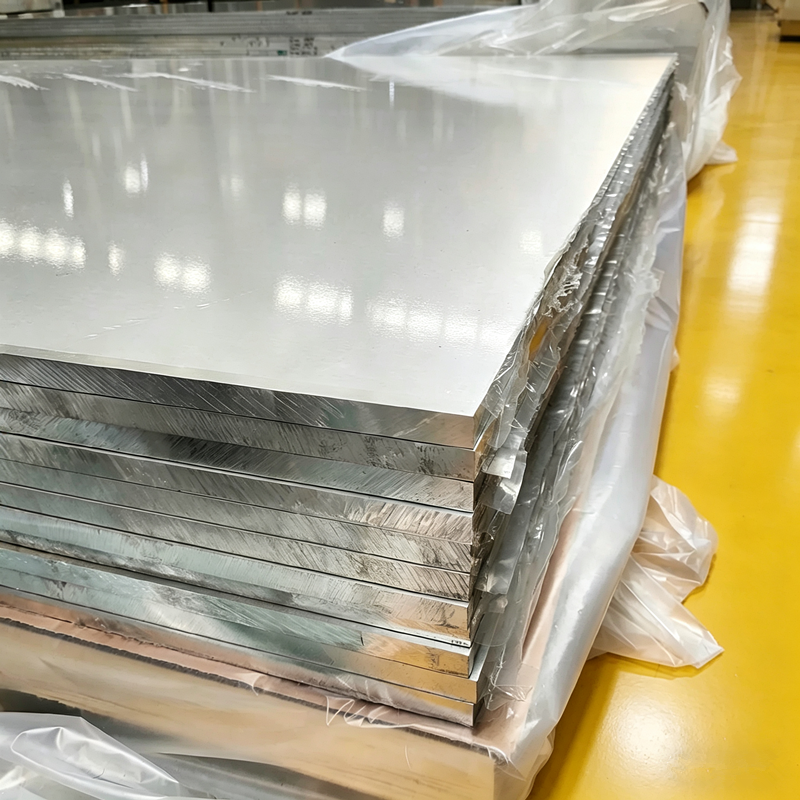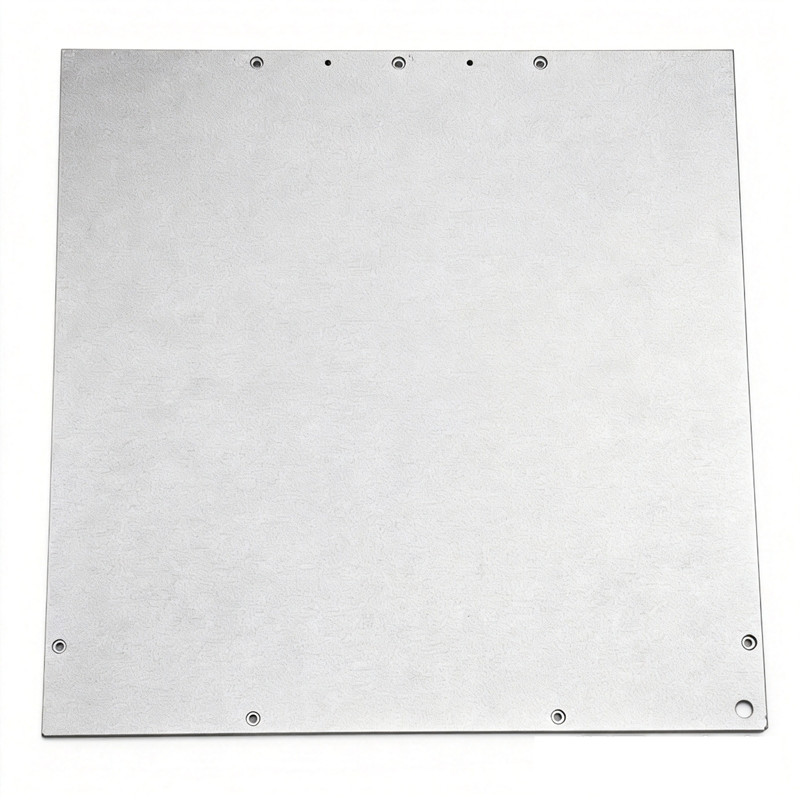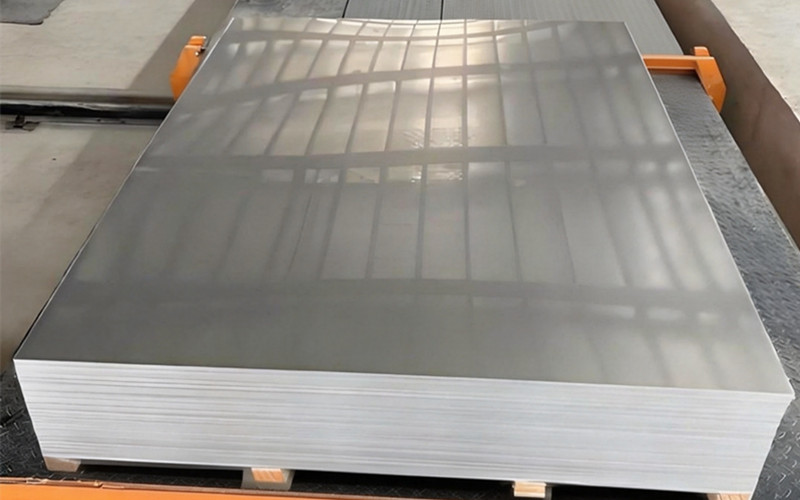
Aluminum Lithium 2195 Plate for Aerospace
What is aluminum lithium alloy?
Aluminum lithium alloy (Al-Li alloy) is a new generation aerospace aluminum material developed to reduce structural weight while maintaining high strength, stiffness, and damage tolerance. By adding a controlled amount of lithium to aluminum, Al-Li alloys achieve lower density, higher elastic modulus, and improved fatigue performance compared with conventional aluminum alloys.
Among available Al-Li grades, aluminum lithium 2195 stands out as a high-strength, weldable alloy specifically engineered for large aerospace structures operating in cryogenic and load-critical environments. It is widely used in space launch vehicles, cryogenic propellant tanks, and welded pressure structures where weight reduction and structural reliability are essential.
Common aluminum lithium alloy grades include 2195, 2196, 2099, and 2050. Among them, 2195 Al-Li alloy plate and sheet are optimized for friction stir welding and low-temperature service, making them a benchmark material in modern aerospace engineering.
How is aluminum lithium alloy 2195 manufactured?
Does aluminum react with lithium?
Yes—but in a highly controlled metallurgical process.
During alloy production, lithium does not exist as free lithium metal. Instead, it dissolves into the aluminum matrix and forms finely distributed strengthening phases such as Al₃Li and T1 (Al₂CuLi). These phases are responsible for the alloy’s reduced density, increased stiffness, and enhanced strength.
Because lithium is extremely reactive with oxygen and moisture, aluminum lithium alloys must be melted and alloyed under vacuum or inert atmosphere conditions. Precise lithium control is critical—small deviations can significantly affect mechanical properties, weldability, and fracture behavior.
Typical manufacturing process of Al-Li 2195 plate
High-purity aluminum melting
Controlled lithium addition under protected atmosphere
Alloying with copper and magnesium for strength optimization
Casting and homogenization treatment
Hot rolling and cold rolling into wide plate or sheet
Solution heat treatment and aging to T8 or T84 temper
This complex processing route is why aluminum lithium alloys are considered high-end aerospace materials rather than conventional commercial aluminum products.
Aluminum lithium alloy 2195 properties
As an advanced aerospace alloy, aluminum lithium 2195 offers a unique combination of low density, high strength, and superior low-temperature performance.
Typical physical and mechanical properties
| Property | Aluminum Lithium 2195 |
|---|---|
| Density | ~2.63 g/cm³ |
| Density Reduction | 3–8% lower than 2219 and 7075 |
| Elastic Modulus | 80–82 GPa |
| Yield Strength | 480–530 MPa |
| Tensile Strength | 520–580 MPa |
| Elongation | 6–10% |
| Melting Point | ~510–640 °C |
| Cryogenic Toughness | Excellent |
| Weld Joint Efficiency (FSW) | High |
Why Al-Li alloys are used in aerospace and spaceflight
Aluminum lithium alloys were developed to address the limitations of traditional aluminum alloys in aerospace applications:
Lower density reduces launch mass and improves payload efficiency
Higher elastic modulus improves stiffness of large panels and tanks
Excellent cryogenic performance ensures strength and toughness at liquid hydrogen and liquid oxygen temperatures
Weldability enables fabrication of large, integrated structures
These advantages make aluminum lithium alloy 2195 a preferred material for rockets, spacecraft, and cryogenic pressure systems.
Applications of aluminum lithium 2195 plate and sheet
Cryogenic Propellant Tanks (Primary Application)
Tank skins and barrel sections
Dome panels and pressure shells
Friction stir welded tank panels
Liquid hydrogen and liquid oxygen containers
Space Launch Vehicle Structures
Intertank structures
Load-bearing fuselage panels
Reinforced stiffened sheets
Structural shells and frames
Aerospace Pressure Vessels and Structural Panels
Pressurized compartments
Structural skins
Support panels for onboard systems
Aerospace Welded Assemblies
Pre-cut welded panels
Stiffened aluminum lithium sheets
Precision-machined flanges and interfaces
Welding aluminum lithium alloy 2195
Why Friction Stir Welding (FSW) Is Preferred
Aluminum lithium 2195 is specifically optimized for friction stir welding, which avoids many of the problems associated with fusion welding of high-strength aluminum alloys.
Key advantages of FSW for Al-Li 2195 include:
Solid-state welding with minimal heat input
Excellent weld strength and fatigue performance
No shielding gas required
Minimal loss of mechanical properties in the weld zone
Typical FSW Parameters for 2195 Al-Li Alloy
| Parameter | Recommended Range |
|---|---|
| Tool Material | PCBN or W-Re |
| Rotation Speed | 300–600 rpm |
| Traverse Speed | 50–150 mm/min |
| Axial Force | 20–60 kN |
| Tool Tilt Angle | 1.5°–3° |
| Shielding Gas | Not required |
| Preheating | Not required |
Aluminum Lithium 2195 Sheet and Plate Size Availability
| Thickness (mm) | Width (mm) | Length (mm) | Availability | Certification |
|---|---|---|---|---|
| 1.0 | 1500 | 3000 | Standard | EN 10204 3.1 |
| 1.5 | 1500 | 4000 | Standard | |
| 2.0 | 1500 | 4000 | Standard | |
| 2.5 | 1500 | 4000 | Standard | |
| 3.0 | 1500 | 4000 | Standard | |
| 1.0–3.5 | Up to 1500 | 2000–6000 | Custom | |
| 3.5–6.0 | Up to 1500 | 2000–6000 | Custom |
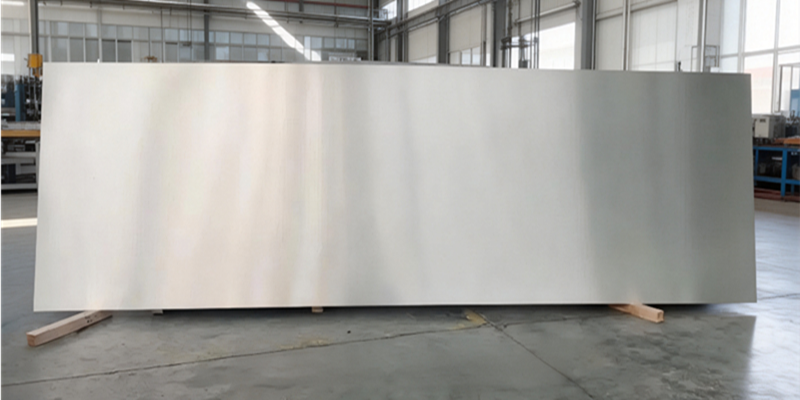
Wide-format aluminum lithium 2195 plate is available for large aerospace panels and welded tank structures.
Aluminum Alloy Comparison: 2195 vs 2219 vs 7075
| Property | 2195 (Al-Li) | 2219 (Al-Cu) | 7075 (Al-Zn-Mg-Cu) |
|---|---|---|---|
| Density (g/cm³) | 2.63 | 2.84 | 2.81 |
| Yield Strength (MPa) | 480–530 | 350–380 | 480–505 |
| Tensile Strength (MPa) | 520–580 | 440–470 | 540–580 |
| Elastic Modulus (GPa) | 80–82 | 73 | 71 |
| Cryogenic Performance | Excellent | Very good | Poor |
| Weldability | Excellent (FSW) | Good | Poor |
| Corrosion Resistance | Good | Moderate | Moderate–Low |
| Typical Tempers | T8, T84 | T6, T87 | T6, T73 |
Summary:
2195 aluminum lithium alloy – Best choice for lightweight, welded, cryogenic aerospace structures
2219 aluminum alloy – Proven cryogenic alloy but heavier
7075 aluminum alloy – High strength but unsuitable for welded tanks and cryogenic service