Chinalcometal

Conductive Aluminum Electrical Pipe Tube Alloy 6101 6082 6063 6101B 6061

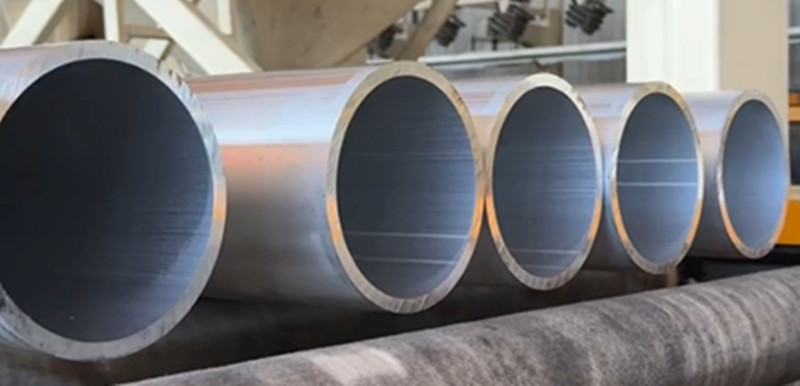
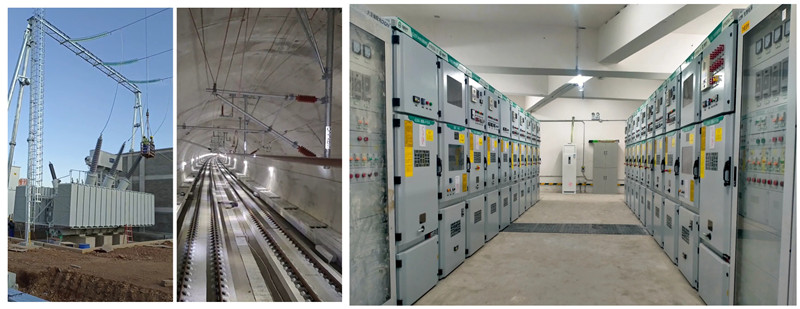
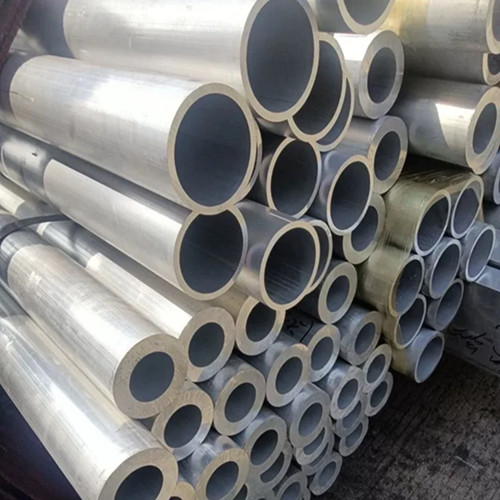
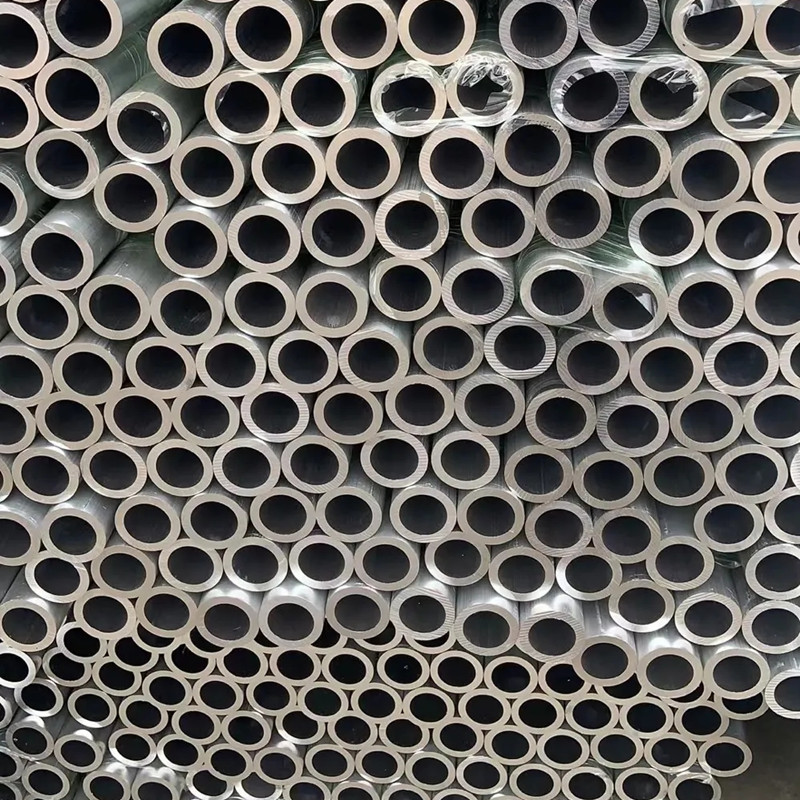
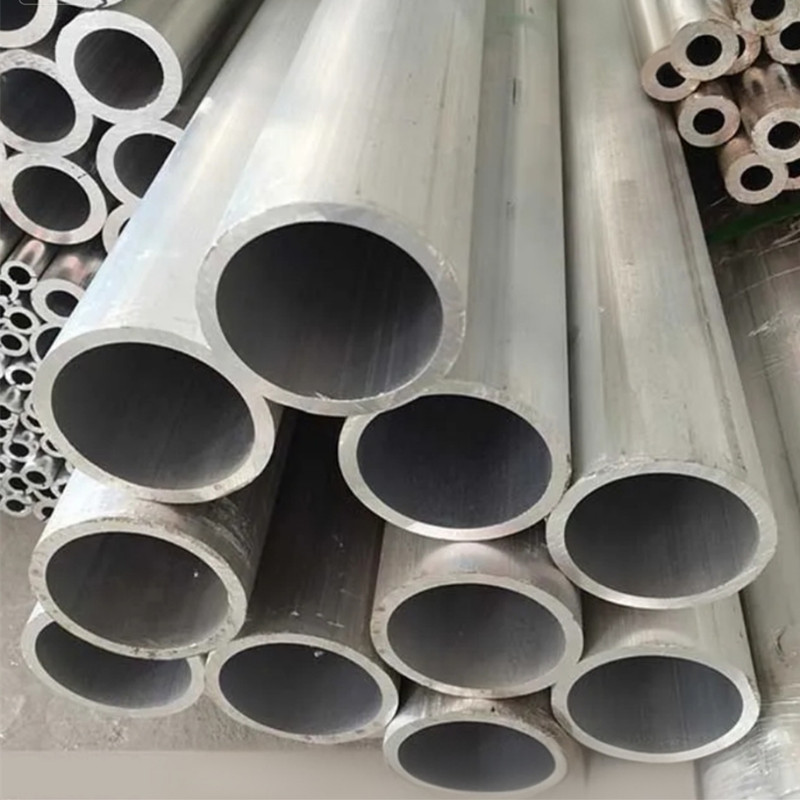
Shenzhen Chinalco metal supply conductive aluminum tube, commonly available for Aluminum alloys 6101, 6101B, 6082, 6063, and 6061. electrical aluminum pipes apply to extruded, seamless, or structural round tubes used in electrical and conductive applications such as busbars, switchgear, grounding tube and support conduits.

  • Aluminum alloy 6101/6101B: Substation tubular busbars (Ø100–250 mm, WT 3–10 mm)

  • Aluminum alloy 6063: Decorative or architectural electrical conduits (OD 25–75 mm, WT 1.2–3 mm)

  • Aluminum alloy 6061/6082: Tubular frames, solar panel brackets, grounding tubes (OD 50–150 mm)

Electrical aluminum tubing dimensions (alloy 6101 / 6101B / 6082 / 6063 / 6061)

Parameter

Common Range

Outside Diameter (OD)

10 mm – 400 mm (0.375" – 16")

Wall Thickness (WT)

1.0 mm – 50 mm (0.04" – 2.0")

Length

1000 mm – 30,000 mm (up to 98 ft)

Tolerance

As per ASTM B241 / ASTM B317/EN 755-8 / GB /T 4437

 Conductive Aluminum Electrical Pipe Tube Alloy 6101 6082 6063 6101B 6061

Aluminum bus tube electrical conductivity  (alloy 6101 / 6101B  / 6082 / 6063 / 6061)

Alloy

Electrical Conductivity (% IACS)

Strength (T6 Temper)

6101

~52–56% IACS

Medium (UTS ~180 MPa)

6101B

~53–57% IACS

Slightly higher than 6101

6082

~40–45% IACS

High (UTS ~300 MPa)

6063

~50–53% IACS

Medium (UTS ~205 MPa)

6061

~43–48% IACS

High (UTS ~290 MPa)

Conductive Aluminum Electrical Pipe Tube Alloy 6101 6082 6063 6101B 6061

Detailed Application of Aluminum Electrical Tubes 

1. Power Transmission and Distribution

Substation Bus Tubes: These alloys (especially 6101 and 6101B) are ideal for hollow conductors in high-voltage substations due to their high conductivity and structural integrity.

Switchgear Components: Tubular aluminum bars interconnect various switchgear components, especially in medium and high voltage systems.

Tubular Busbars: Replacing traditional copper busbars, aluminum tubes offer significant weight savings while maintaining adequate conductivity.

2. Renewable Energy Sector

Solar Panel Frames and Structures: 6061 and 6063 are used for structural support and electrical grounding in solar panel mounting systems.

Wind Farm Grounding Systems: Tubes made from 6082 or 6061 are used in structural grounding systems due to their strength and corrosion resistance.

3. Electric Vehicle (EV) Infrastructure

Charging Station Conduits: 6063 and 6101 aluminum tubes are used to route and shield electrical wiring in EV charging units.

Battery Pack Bus Tubes: In large EV powertrains, lightweight aluminum tubes help connect and distribute power efficiently.

Conductive Aluminum Electrical Pipe Tube Alloy 6101 6082 6063 6101B 6061

4. Railway Electrification

Overhead Line Support Tubes: 6101 and 6082 are used in current-carrying structural supports for catenary and contact systems.

Grounding and Earthing Systems: Conductive aluminum tubing provides safe discharge paths for lightning and fault currents.

5. Building Electrical Systems

Power Distribution Trunking: Aluminum tubes carry main power feeds across large commercial or industrial buildings.

Grounding Risers and Lightning Protection: Tubes are also used as part of the grounding system in multi-story buildings.

6. Aerospace and Defense Applications

EMI Shielding Conduits: 6061 and 6063 tubes are used for electromagnetic shielding of sensitive electronics.

Power Distribution Structures: Lightweight tubular conductors serve in low-weight applications like UAVs or military shelters.

FAQ about aluminum electricity conductor

Q1: does aluminum conduct electricity?
Yes. Aluminum is an excellent conductor of electricity. Its conductivity is about 61% of copper by volume, but because it is much lighter, aluminum offers a high conductivity-to-weight ratio, making it widely used in power transmission and electrical systems.


Q2: Which is the best conductor between aluminium and copper?
Copper has higher electrical conductivity than aluminum. However, aluminum is lighter, more cost-effective, and easier to install in large-scale power applications. That is why aluminum tubes and busbars are commonly used in substations, transmission lines, and grounding systems, where weight and cost savings are critical.


Q3: Will aluminum tubes rust?
Aluminum does not rust like steel because it contains no iron. Instead, it naturally forms a thin oxide layer on the surface, which protects it from further corrosion. This makes aluminum tubes highly durable in most environments.


Q4: Are aluminum tubes suitable for outdoor electrical projects?
Yes. Aluminum tubes are suitable for outdoor electrical engineering applications. With their corrosion resistance and protective oxide layer, they perform well in outdoor environments, especially when anodized or coated for additional protection. They are widely used in grounding systems, solar panel frames, and power distribution conduits.

Q5: Can the size and alloy of aluminum tubes be customized?
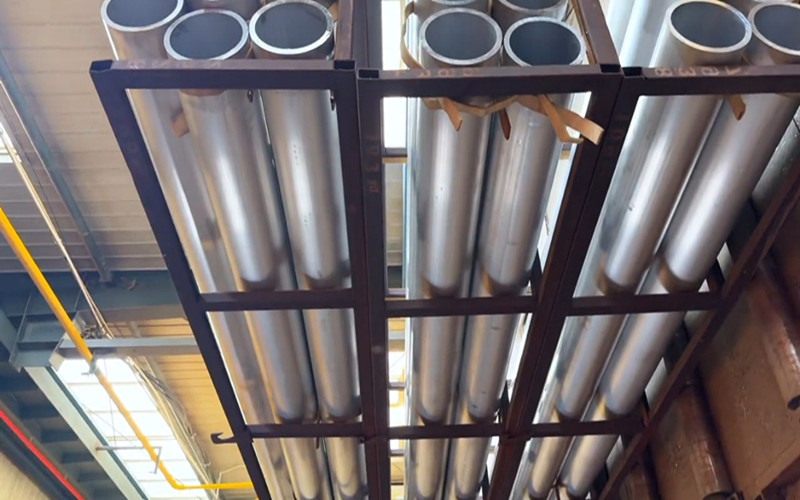
Yes. Shenzhen Chinalco Metal offers custom cutting, bending, and finishing for conductive aluminum tubes and pipes, with flexible alloy options, protective packaging, and fast delivery to match specific project requirements.


Quickly Inquiry