Precision Ultra-Thin Titanium Foil Supplier | 0.01 mm
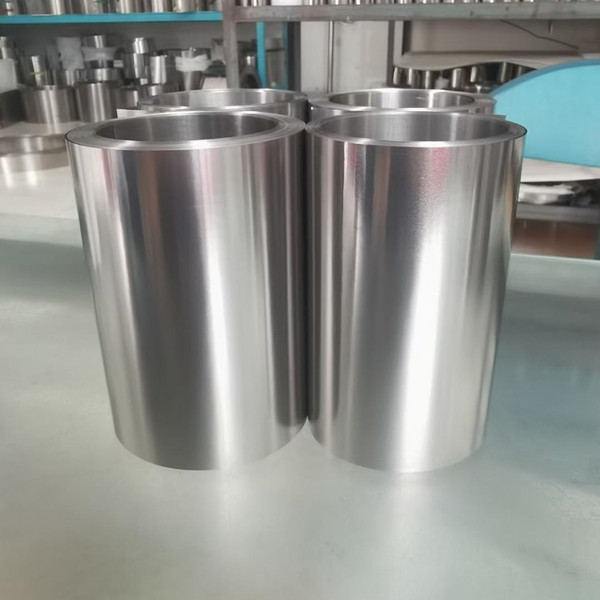
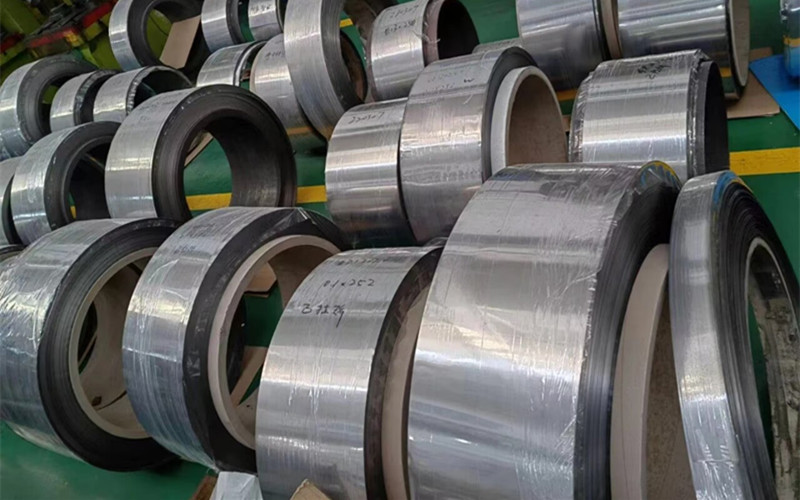
Shenzhen Chinalcometal supply precision ultra-thin titanium foil with thicknesses ranging from 0.01 to 0.3 mm, suitable for precision stamping, precision component machining, and other industrial applications requiring specific material thickness, dimensions, and surface conditions.
Available grades include TA1, TA2, TA3, TA4, TA9, TA10, Gr 1, Gr 2, Gr 3, Gr 5, Gr 7, Gr 9, and Gr 12. The titanium foil is produced using precision rolling processes and undergoes appropriate annealing treatment according to material requirements. We can help confirm material grades, dimensional tolerances, surface conditions, and supply arrangements according to customer requirements, and arrange cutting or dimensional processing as needed.
Precision Ultra-Thin Titanium Foil Specifications
| Item | Specification |
|---|---|
| Product Name | Precision Ultra-Thin Titanium Foil |
| Thickness Range | 0.01–0.3 mm |
| Width Range | 10–600 mm |
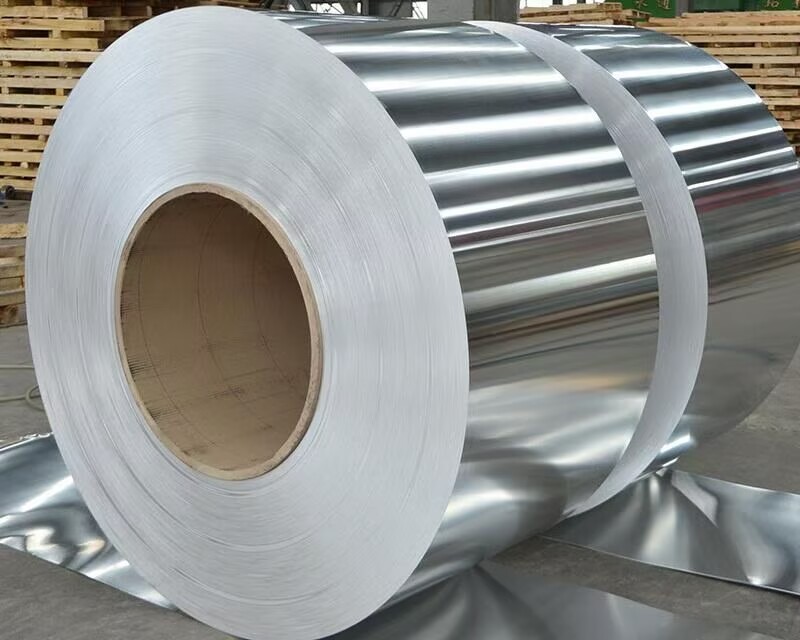
| Supply Form | Coils and sheets |
| Sheet Length | 1,000–3,000 mm, with custom lengths available |
| Thickness Tolerance | ±0.005 mm |
| Width Tolerance | ±1 mm |
| Available Grades | TA1, TA2, TA3, TA4, TA9, TA10, Gr 1, Gr 2, Gr 3, Gr 5, Gr 7, Gr 9, Gr 12 |
| Reference Standards | ASTM B265-99, GB/T 3622, and GB/T 3625; the applicable standard depends on the product type and grade |
| Processing Methods | Hot rolling and cold rolling |
| Surface Treatment | Pickling and polishing |
| Surface Appearance | Matte and bright |
| Material Condition | Y/M, annealed, cold-worked, and semi-hard; the specific condition and applicable standard require confirmation |
The tolerances listed above are proposed supply specifications for this page. The achievable tolerances need to be confirmed based on the specific thickness, width, grade, and supply condition.
Characteristics of Precision Ultra-Thin Titanium Foil
1. Excellent Toughness and Formability
Titanium foil offers excellent toughness and formability. For annealed TA1, for example, elongation after fracture can reach or exceed 24%, with a tensile strength of 240–345 MPa. These properties make it suitable for precision cold-working processes such as deep drawing and micro-bending.
2. Resistance to Repeated Bending
With appropriate rolling and heat treatment, titanium foil can achieve a material structure and mechanical properties suitable for precision forming. For example, the performance of 0.01 mm annealed TA1 titanium foil under thousands of micro-bending cycles can be evaluated under specified test conditions, with no sharp edges and an appropriate bending radius. This makes it relevant to applications requiring resistance to cracking.
3. Corrosion Resistance
When exposed to air, titanium can form a dense TiO₂ passive film approximately 1–10 nm thick, providing good corrosion resistance. Under suitable neutral chloride conditions, the corrosion rate may be below 0.001 mm/year. Some titanium materials are suitable for media with pH values ranging from 2 to 12, but actual corrosion resistance depends on the medium composition, temperature, and grade. Titanium is not suitable for hydrofluoric acid or certain concentrated reducing acids at high temperatures.
4. Lightweight Properties
Titanium has a density of approximately 4.51 g/cm³, about 57% that of carbon steel, while also offering a high specific strength. When the required structural strength can be maintained, titanium can help reduce component weight, making it suitable for structural designs that require a balance of lightweight properties and material strength.
5. Ultra-Thin Precision
Titanium foil is available in thicknesses down to 0.01 mm, making it suitable for miniature metal components, precision stamping, and other applications requiring controlled material thickness and dimensions. The thickness tolerance listed on this page is ±0.005 mm, and the width tolerance is ±1 mm; actual tolerances are subject to confirmation for the specific supply specifications. For high-precision applications such as microelectrodes and microfluidics, surface quality, pinhole control, and flatness requirements also need to be confirmed.
Titanium Foil Processing Methods
The production of precision ultra-thin titanium foil involves processes such as rolling, annealing, and surface treatment. Different processes affect thickness accuracy, surface quality, material structure, and subsequent forming performance.
Precision Rolling
Titanium material is gradually reduced to the target thickness through rolling. For ultra-thin titanium foil, thickness, strip shape, and surface condition need to be controlled to meet different supply requirements. Cold rolling is an important process for producing ultra-thin titanium foil. The specific processing route depends on the incoming material specifications and target thickness.
Vacuum Annealing
Vacuum annealing is a heat treatment performed in a controlled vacuum environment. It helps reduce internal stresses caused by cold working and adjust the material's structure and mechanical properties. An appropriate annealing process can improve the ductility of titanium foil and its subsequent processing performance. The specific annealing procedure depends on the titanium grade, thickness, and target material condition.
Surface Treatment
Pickling removes oxide layers and related residues from the titanium surface, helping to achieve a cleaner surface. Polishing improves surface finish, giving the titanium foil a smoother and finer appearance. Depending on the surface treatment method and processing conditions, the finished material can have a matte or bright appearance.
Multiple Grades and Standard Thickness Options
We supply various commercially pure titanium and titanium alloy grades. Materials can be confirmed according to the intended application and specified standards.
| Grade Category | Available Grades |
|---|---|
| Commercially Pure Titanium and Related Grades | TA1, TA2, TA3, TA4, Gr 1, Gr 2, Gr 3 |
| Other Titanium Grades and Alloys | TA9, TA10, Gr 5, Gr 7, Gr 9, Gr 12 |
Standard thickness options: 0.01 mm, 0.03 mm, 0.05 mm, 0.1 mm, 0.2 mm, and 0.3 mm.
Other thicknesses can be confirmed for customization according to customer requirements. Availability may vary by grade, thickness, and material condition. Final specifications are subject to order requirements and actual supply conditions.
Applications of Precision Titanium Foil
Precision Stamping and Metal Component Machining
Ultra-thin titanium foil can be used to manufacture certain precision-stamped parts, thin-walled components, and custom metal parts. For these applications, material thickness, grade, condition, die design, and forming processes need to be considered together.
If detailed component drawings or processing requirements are available, they can be provided to help confirm suitable material specifications and tolerance requirements.
Industrial Precision Components
Titanium foil can serve as a lightweight, thin metal material in certain industrial equipment, precision structural components, and functional metal parts. Its suitability depends on the component's operating environment, mechanical property requirements, processing methods, and material standards.
Other Customized Applications
For electronic components, laboratory equipment, and other specialized industrial applications, the grade, thickness, supply form, and material documentation can be confirmed according to customer requirements. For medical applications, the applicable standards, material quality documentation, and relevant compliance requirements should be verified further.
Inquiries for Precision Ultra-Thin Titanium Foil
To help confirm specifications and prepare a quotation, please provide the following information where possible:
Titanium grade and applicable standard
Required thickness, width, and tolerances
Coil or sheet form; for sheets, please specify the required length
Material condition and surface requirements
Order quantity
Application or component drawings, if available
Required material documentation and delivery requirements
If the specific grade has not yet been determined, you can also provide the component application, processing method, or existing material specifications. We can use this information to help identify suitable material options and supply conditions.