4 Aluminum Alloys Best for Marine Use: 5059|5083| 5383|5456 Plate Sheet
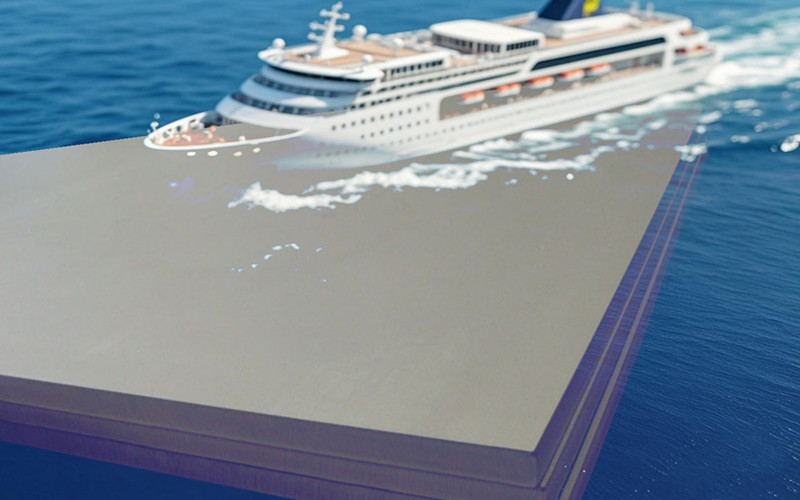
Choosing the Right Marine Aluminum Important
Building marine vessels and offshore structures requires more than just good design—it starts with the right material. Saltwater exposure, wave impact, temperature shifts, and heavy-duty use all demand materials with superior corrosion resistance, strength, weldability, and fatigue performance.
That's why 5xxx series aluminum alloys are the go-to choice for marine applications. Among them, 5059, 5083, 5383, and 5456 stand out as the four top performers for marine-grade aluminum plates and sheets.
But what' the difference between marine aluminum? Which alloy is best for your vessel or project?
Let's break down each one simplely so you can make the right choice after reading.
1. 5059 marine aluminum plate sheet – High-Strength Alloy for Military & Naval Use
If you're designing naval ships, patrol boats, amphibious craft, or high-speed ferries, and need a material with high impact strength, welding integrity, and durability, then 5059 aluminum is your ally.
Common Applications:
Naval warships and patrol vessels
Hull plating for fast ferries and cruise ships
Superstructures of military vessels
Landing craft and amphibious vehicles
Structural armor and deckhouse panels
5059 is a military-grade aluminum-magnesium-manganese alloy, developed specifically for defense applications. It offers higher strength than 5083, with better post-weld performance and fatigue resistance, making it ideal for rough marine environments.
Key Advantages:
High tensile strength marine aluminum plate (up to 450 MPa)
Excellent saltwater corrosion resistance
Outstanding fatigue and ballistic resistance
Maintains strength after welding
Suitable for defense and high-security structures
2. 5083 marine aluminum plate sheet– The Industry Standard for Marine Grade
Among all marine aluminum alloys, 5083 is the most widely used. From commercial vessels to fishing boats, barges to offshore tanks, 5083 is the backbone of marine construction.
Common Applications:
Hulls and decks of ships and boats
Seawater-resistant aluminum tanks and fuel containers
Superstructures of fishing vessels, tugs, and workboats
Seawater piping systems and storage tanks
Offshore oil platforms and marine risers
Why is 5083 so popular? Because it's reliable, well-balanced, and cost-effective.
It combines good strength with excellent corrosion resistance and weldability, making it suitable for both structural and liquid containment applications in saltwater environments.
Key Advantages:
Corrosion-resistant marine aluminum plate
Performs well even at sub-zero temperatures
Widely available and budget-friendly
Excellent weldability for complex assemblies
If you're looking for a well-rounded, no-fuss marine-grade aluminum, 5083 is your safest bet.
3. 5383 marine aluminum plate sheet– Enhanced 5083 for Lighter, Stronger Builds
Think of 5383 as an upgraded version of 5083. Designed for more demanding applications, it delivers up to 15% more strength, with even better resistance to fatigue and corrosion.
Common Applications:
Catamarans and multihull vessels
High-speed boats and luxury yachts
Aluminum hulls for RIBs (Rigid Inflatable Boats)
Deckhouses, bulkheads, and modular pontoon systems
Welded marine structures requiring reduced weight
With lower density and higher rigidity, 5383 is ideal for vessels where weight-saving and speed matter, without sacrificing structural integrity.
Key Advantages:
Around 15% stronger than 5083
Superior fatigue and corrosion resistance
Ideal for welded structures
Lightweight yet durable – perfect for high-performance designs
If you're building a lightweight, high-speed vessel, or a boat where every kilogram counts, 5383 is an excellent choice.
4. 5456 marine aluminum plate sheet– Strength That Withstands Heat and Heavy Loads
5456 aluminum brings a different kind of performance to the table—it holds up exceptionally well in hot environments and under heavy structural loads. This makes it suitable for topside structures and components exposed to direct sunlight or elevated temperatures.
Common Applications:
Above-water structures: bulkheads, decks, and masts
Structural aluminum supports for ships
Fresh and saltwater piping systems
Military landing craft and hovercraft
Offshore oil rigs and floatation platforms
5456 offers similar strength to 5059 but is more thermally stable, making it ideal for parts that heat up under sun or operation.
Key Advantages:
High strength, even at elevated temperatures
Good corrosion resistance and weldability
Ideal for heavy-duty, exposed marine structures
Better post-weld strength than many 5xxx alloys
If your project operates in tropical zones or extreme climates, 5456 ensures your structure stays strong under pressure and heat.
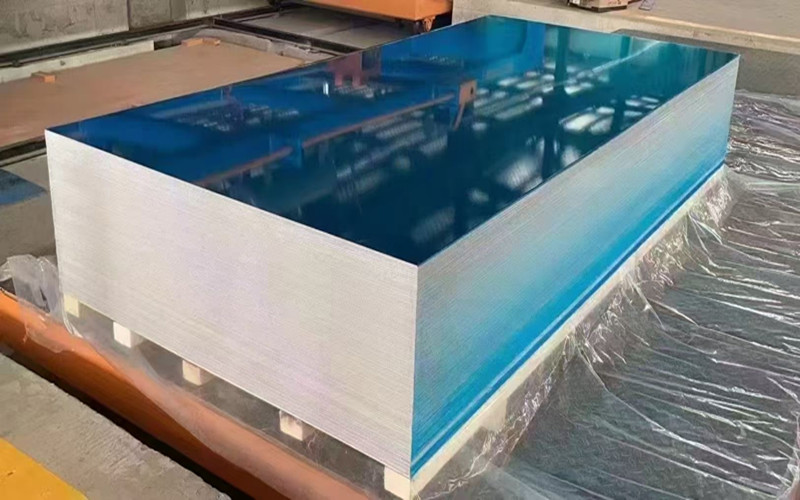
Marine Grade Aluminum Performance Comparison
Mechanical Properties Table
| Property | 5059-H321/H116 | 5083-H321/H116 | 5383-H321/H116 | 5456-H321/H116 |
|---|---|---|---|---|
| Tensile Strength (MPa) | 370–450 | 290–350 | 310–380 | 370–440 |
| Yield Strength (MPa) | 250–350 | 125–215 | 150–240 | 270–330 |
| Elongation (%) | 12–16 | 12–16 | 12–18 | 10–15 |
| Hardness (Brinell HBW) | 95–120 | 85–100 | 85–105 | 100–130 |
Key Performance Comparison
| Feature | 5059 | 5083 | 5383 | 5456 |
|---|---|---|---|---|
| Strength | High | Medium | Medium-High | High |
| Corrosion Resistance | Excellent | Excellent | Superior | Excellent |
| Weldability | Very Good | Excellent | Excellent | Good |
| Fatigue Resistance | Very High | Medium | High | Very High |
How to Choose Marine Grade Aluminum?
Still not sure which alloy fits your application? Here's a quick breakdown:
👉 Choose 5059 if you need maximum strength, resistance to impact, or ballistic protection (e.g., military or fast ferry vessels).
👉 Choose 5083 for general marine construction, tanks, hulls, or any workboat application requiring excellent corrosion resistance and weldability.
👉 Choose 5383 if you're building a lightweight, high-performance vessel with extensive welding.
👉 Choose 5456 when designing structures exposed to high temperatures or heavy loads, such as topside frames or offshore platforms.
Conclusion
Each of these aluminum marine alloys have their own strengths. The best choice depends entirely on your project needs: is it strength, weldability, weight, or corrosion resistance that matters most?
By understanding these differences, you may have more knowledge to select the right material for your boat, barge, platform, or piping system. But knowing detailed specifications about marine-grade aluminum plate 5086 5059 5383 5456, this surely could help you choose better.