Tin Foil vs Aluminum Foil: what's the difference?
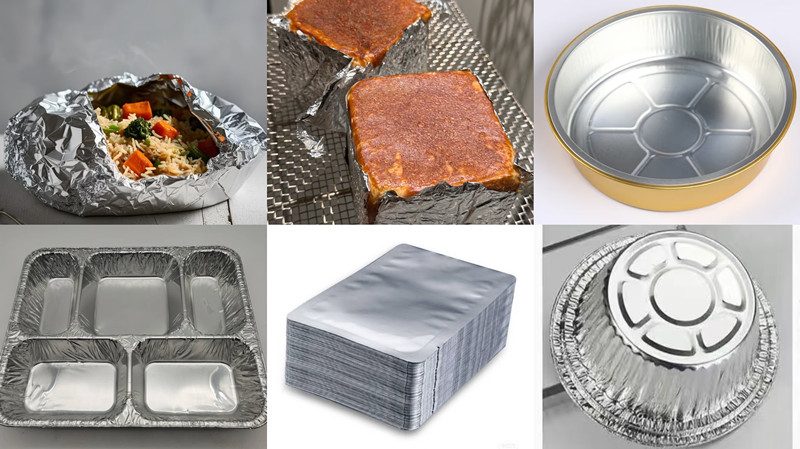
Tin Foil vs Aluminum Foil: are they the same thing or completely different materials?
Many people—including professionals in manufacturing and packaging—still use the terms “tin foil” and “aluminum foil” interchangeably. At first glance, they look identical: thin, silvery sheets used mainly in food packaging. But are they actually the same material, just called by different names? Or is there a real difference between tin foil and aluminum foil?
The short answer is: they are not the same material, although modern usage has blurred the distinction.
In this article, we’ll clearly explain the difference between tin foil vs aluminum foil, explore why the confusion exists, compare their physical properties and textures, and then go beyond food packaging to look at the much broader applications of aluminum foil today.
What is tin foil?
Tin foil is a thin sheet made from tin (Sn), a metallic element with a long history in food preservation and household use.
Historical background
Before aluminum became widely available in the early 20th century, tin foil was commonly used for:
Wrapping food
Protecting items from moisture
Early industrial and laboratory applications
However, tin foil had several drawbacks:
It was less flexible
More brittle
Prone to leaving a metallic taste, especially when in contact with acidic foods
Because of these limitations, tin foil was gradually replaced by aluminum foil.
Tin foil texture
When people talk about tin foil texture, they often imagine a slightly stiffer, less elastic material. True tin foil:
Tears more easily when folded repeatedly
Holds creases less smoothly
Feels firmer and less “springy” than aluminum foil
Today, true tin foil is rarely used for food packaging and is mostly limited to niche or specialty applications.
What is aluminum foil?
Aluminum foil is made from aluminum (Al) that has been rolled into extremely thin sheets—often as thin as 0.006–0.2 mm.
Since its introduction, aluminum foil has become the global standard for household, commercial, and industrial foil applications.
Aluminum foil texture
Compared with tin foil, aluminum foil texture is:
Softer and more flexible
Easier to fold and wrap tightly
More resistant to cracking during repeated bending
This superior workability is one of the main reasons aluminum foil dominates modern markets.
Tin Foil vs Aluminum Foil: Properties Comparison
| Feature | Tin Foil | Aluminum Foil |
|---|---|---|
| Main material | Tin (Sn), sometimes tin-aluminum alloy | Aluminum (Al), 92–99% pure |
| Density | ~7.31 g/cm³ (heavy) | ~2.70 g/cm³ (lightweight) |
| Melting point | ~232°C (450°F) | ~660°C (1220°F) |
| Thickness | 0.006–0.2 mm | 0.006–0.2 mm |
| Appearance | Brighter, slightly bluish silver | Matte to semi-bright silver |
| Texture | Softer, less elastic | Slightly stiffer, more flexible overall |
| Taste transfer | Can leave a faint metallic taste on food | Neutral — no taste transferred |
| Reaction with acidic food | Reacts with acids (lemon, tomato, vinegar) | Reacts slightly, but significantly less than tin |
| Safe cooking temp | Not suitable above ~160°C — begins to degrade | Remains structurally stable at standard cooking temperatures |
| Availability today | Rare — specialty or niche use only | Universally available in every supermarket |
| Price | Significantly more expensive | Cheap and cost-effective |
| Common uses | Specialty food wrapping, decorative crafts, electronics | Cooking, baking, food storage, grilling, packaging |
| Recyclable | Yes, but rarely recycled in practice | Yes, widely recyclable |
This comparison shows that tin foil vs aluminum foil is not just a naming issue—the materials behave very differently.
Why do people still call aluminum foil “tin foil”?
If tin foil and aluminum foil are different materials, why does the confusion persist?
1. Historical habit
When aluminum foil replaced tin foil, people kept using the old name out of habit. The term “tin foil” became a linguistic leftover.
2. Language inertia
Similar examples exist:
“Tin cans” are usually steel or aluminum
“Lead pencils” contain graphite, not lead
In everyday English, “tin foil” often refers to aluminum foil—even though it is technically incorrect.
In modern daily usage, “tin foil” almost always means aluminum foil, not actual tin.
Melting Point of Aluminum Foil: Why It Matters
One reason aluminum foil outperformed tin foil is its thermal performance.
Aluminum foil melting temperature
The melting point of aluminum foil is approximately 660°C (1220°F)
This high aluminum foil melting temp makes it suitable for:
Oven cooking
Grilling
Heat shielding
Industrial thermal insulation
Tin, by comparison, melts at around 232°C (450°F), which severely limits its high-temperature applications.
This difference alone explains why aluminum foil is widely used in both household cooking and industrial heat management, while tin foil is not.
Aluminum foil applications
Most people associate aluminum foil with kitchens, but that is only a small part of its real-world usage.
1. Food & consumer packaging:
Food & consumer packaging plays a key role in preserving product freshness and ensuring safe delivery to consumers. 1000 series aluminum foil is a preferred material choice for a wide range of packaging applications in this category, the detailed Scenarios:
Wrapping and storing food
Baking and roasting
Pharmaceutical blister packs
Beverage and dairy packaging
2. Industrial and technical applications
Because of its lightweight, corrosion resistance, and heat reflectivity, aluminum foil is widely used in:
HVAC insulation systems
Automotive heat shields
Aerospace thermal barriers
Lithium battery packaging
Cable wrapping and electromagnetic shielding
3. Construction and insulation
Reflective insulation layers
Vapor barriers
Roofing and wall insulation systems
These applications have nothing to do with tin foil, further emphasizing how dominant aluminum foil has become across industries.
Is tin foil still used today?
True tin foil still exists, but its usage is extremely limited:
Certain laboratory or chemical applications
Specialized historical restoration work
For food, packaging, and industrial uses, aluminum foil has completely replaced tin foil.
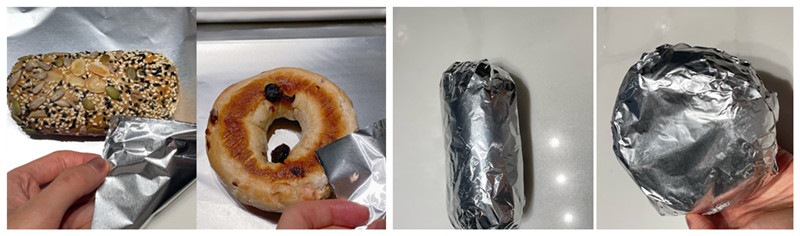
Recycling: Tin Foil vs Aluminum Foil
As sustainability and environmental responsibility become increasingly important, many readers also wonder whether tin foil or aluminum foil is recyclable, and which option is more environmentally friendly.
Is aluminum foil recyclable?
Yes—aluminum foil is 100% recyclable.
One of aluminum's biggest advantages is that it can be recycled indefinitely without losing its material properties. Recycled aluminum requires up to 95% less energy than producing primary aluminum from ore, making it one of the most environmentally efficient metals in circulation.
In practice:
Clean aluminum foil can be recycled together with aluminum cans in many regions
Heavily contaminated foil (with food grease or residue) may need to be cleaned first or disposed of as waste, depending on local recycling rules
Despite being thin, aluminum foil still retains enough material value to be worth recycling at scale.
What about tin foil?
True tin foil is also technically recyclable, but:
It is rarely used today
Recycling streams for tin foil are far less common
The material has largely disappeared from consumer markets
As a result, tin foil plays almost no role in modern recycling systems.
FAQ
The Shiny Side or Dull Side Face the Food?
This is one of the most frequently searched questions about aluminum foil. The short answer: it makes no practical difference for everyday cooking. The two sides are a byproduct of the manufacturing process — two sheets are rolled simultaneously, and the sides facing the rollers come out shiny while the sides facing each other come out matte. As confirmed by major manufacturers including Reynolds, both sides conduct heat identically and are equally suitable for food contact.
The only exception is non-stick aluminum foil, where the dull side carries a coating. In that case, the dull (coated) side should face the food. The packaging will always specify this.
Can You Put Aluminum Foil in the Oven?
Yes, aluminum foil is safe to use in the oven.
It's commonly used for lining baking trays, covering dishes to prevent over-browning, or wrapping food for roasting. However, avoid placing foil directly on the oven bottom, as it can interfere with heat circulation or damage the heating elements. Always use it on racks or pans.
Can You Use Tin Foil in the Oven?
Technically yes, but with a serious limitation. Tin melts at around 232°C (450°F), and most home ovens for baking operate between 180–220°C. That puts tin foil right at the edge of its safe range. For high-heat roasting or broiling above 220°C, tin foil is not suitable — it will begin to soften and degrade at those temperatures.
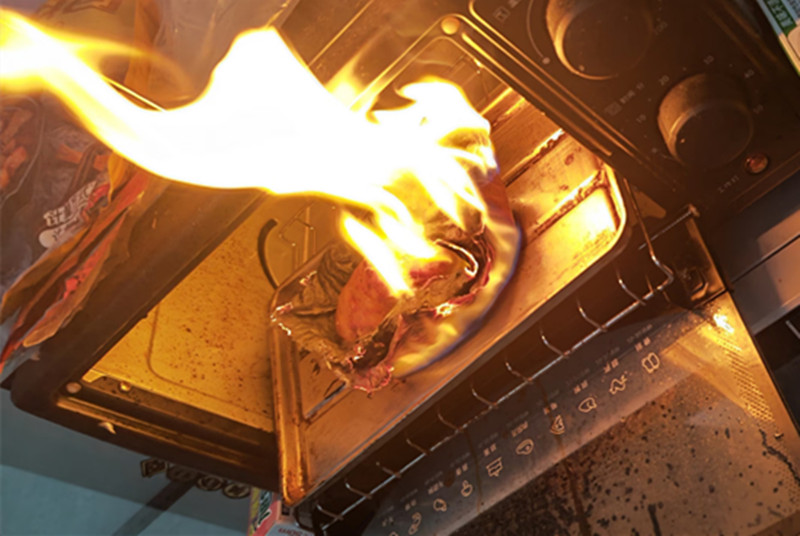
Can You Use Tin Foil and Aluminum Foil when Grilling?
Open-flame grilling can reach 300°C and above on the grate surface. Tin foil is not designed for these temperatures and will warp or degrade before your food is cooked.
Aluminum foil is well suited for grilling. It can be folded into pouches for vegetables, fish, or delicate proteins, placed directly on the grate, and removed cleanly after cooking. Heavy-duty aluminum foil (thicker gauge) is especially recommended for grilling because it resists tearing when handling hot food.
Can You Put Aluminum Foil in the Microwave?
Not recommended.
Aluminum foil can cause sparks or even fire in a microwave because metal reflects microwaves instead of absorbing them. However, small pieces of foil may be used cautiously (e.g., shielding parts of food), but only if your microwave's manual explicitly allows it — and never let foil touch the walls of the microwave.
Can You Put Aluminum Foil in the Air Fryer?
Yes, with some precautions.
Aluminum foil is safe in most air fryers. You can use it to line the basket or wrap food, which helps with cleanup and flavor sealing. Just make sure not to block airflow, as proper air circulation is key to even cooking. Perforated foil or leaving space around the edges is good choice.
Is Aluminum Foil Safe for Wrapping Acidic Foods:
The Acidic foods like tomatoes, citrus, vinegar-based dishes, can we use aluminum foil to wrap them? Firstly, both tin and aluminum can react with acidic foods, but tin reacts more strongly and is more likely to affect the taste of your food. For dishes containing:
Tomatoes or tomato-based sauces
Lemon, lime, or other citrus marinades
Vinegar-based dressings or sauces
Neither material is ideal for extended contact with high-acid foods. For short-term wrapping — covering a dish to move it to the fridge — aluminum foil is generally considered safe for food contact use. For storing acidic food overnight or longer, a glass or airtight container is the better choice.
Aluminum foil is classified as generally recognized as safe (GRAS) for food contact applications by the U.S. Food and Drug Administration. (FDA GRAS database)
Is Aluminum Foil Safe for Baking and Cooking?
YES. Aluminum foil is considered safe for baking and cooking. It's approved for direct food contact and used globally in kitchens and food packaging.
Food-grade aluminum foil is made from 99% pure aluminum, processed to ensure cleanliness, strength, and food safety. It's odorless, non-toxic, and can withstand high temperatures.
BUT, avoid direct contact with acidic or salty foods (like tomatoes or vinegar) for long periods, especially during cooking, as aluminum may slightly leach. If needed, use non-stick foil or add parchment paper between the food and foil.
Whether you're roasting vegetables or baking cookies, aluminum foil for baking is a convenient and reliable solution.
Can you use aluminum foil to store leftovers in the fridge?
Aluminum foil is a practical choice for covering bowls or wrapping items in the fridge. It seals reasonably well, blocks light, and keeps food fresh for 1–2 days. For anything stored longer than 48 hours, a proper airtight container will outperform foil.
Tin foil is not recommended for food storage. The combination of moisture, time, and potential chemical interaction makes it unsuitable for this use.