What is AMS4981 Titanium?
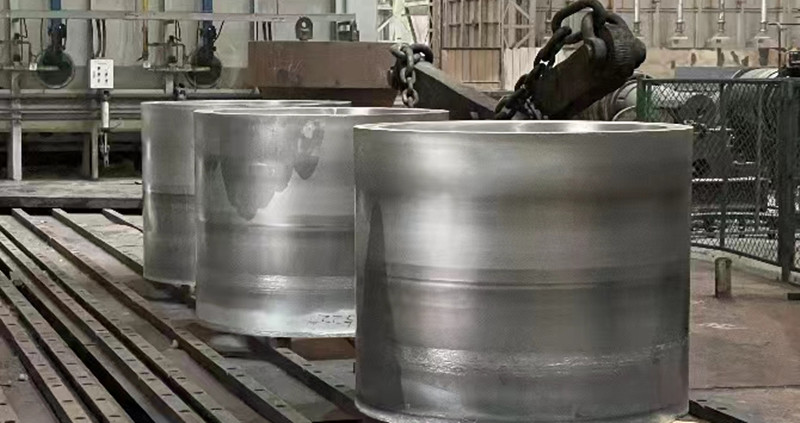
What Is AMS 4981 Titanium?
AMS 4981 is an aerospace material specification issued by SAE International, covering solution‑treated and precipitation‑hardened titanium alloy bars, rods, forgings, and rings. The alloy defined under this specification is commonly known as Ti‑6Al‑2Sn‑4Zr‑6Mo (Ti‑6246), with the UNS designation R56260.
AMS 4981 titanium is classified as a near‑alpha / alpha‑beta titanium alloy, engineered for high‑strength, high‑temperature aerospace applications where conventional titanium grades such as Ti‑6Al‑4V may not provide sufficient creep resistance or thermal stability.
Chemical Composition of AMS 4981 (Ti‑6246)
The performance of AMS 4981 titanium is driven by its carefully balanced alloying elements. Aluminum stabilizes the alpha phase, while molybdenum contributes beta stability and high‑temperature strength. Tin and zirconium further enhance creep resistance and thermal performance.
| Element | Min (%) | Max (%) | Notes |
|---|---|---|---|
| Aluminum (Al) | 5.50 | 6.50 | |
| Zirconium (Zr) | 3.50 | 4.50 | |
| Tin (Sn) | 1.75 | 2.25 | |
| Molybdenum (Mo) | 5.50 | 6.50 | |
| Iron (Fe) | — | 0.15 | |
| Oxygen (O) | — | 0.15 | |
| Carbon (C) | — | 0.04 | |
| Nitrogen (N) | — | 0.04 | 400 ppm |
| Hydrogen (H) | — | 0.0125 | 125 ppm |
| Yttrium (Y) | — | 0.005 | 50 ppm |
| Other elements, each | — | 0.10 | per 3.1.2 |
| Other elements, total | — | 0.40 | per 3.1.2 |
| Titanium (Ti) | — | Remainder |
This chemistry enables AMS 4981 to maintain mechanical integrity at temperatures approaching 540 °C (1000 °F), making it a preferred choice for critical aerospace components.
Mechanical Properties of AMS 4981 Titanium
AMS 4981 titanium is typically supplied in the solution heat‑treated and aged condition, which optimizes strength while preserving useful ductility.
| Form | Nominal Diameter or Least Distance Between Parallel Sides (mm) | Tensile Strength (MPa) | Yield Strength at 0.2% Offset (MPa) | Elongation L (%) | Elongation T (%) | Reduction of Area L (%) | Reduction of Area T (%) |
|---|---|---|---|---|---|---|---|
| Wire | Up to 12.70 incl | 1172 | 1103 | 10 | 8 | 20 | 15 |
| Bars | Over 12.70 to 63.50 incl | 1172 | 1103 | 10 | 8 | 20 | 15 |
| Bars | Over 63.50 to 76.20 incl | 1138 | 1069 | 8 | 6 | 15 | 12 |
| Forgings | Up to 76.20 incl | 1172 | 1103 | 10 | 8 | 20 | 15 |
| Bars and Forgings | Over 76.20 to 101.60 incl | 1103 | 1034 | 8 | 6 | 15 | 12 |
Compared to Ti‑6Al‑4V, AMS 4981 offers higher tensile strength and superior creep resistance, particularly in elevated‑temperature service environments.
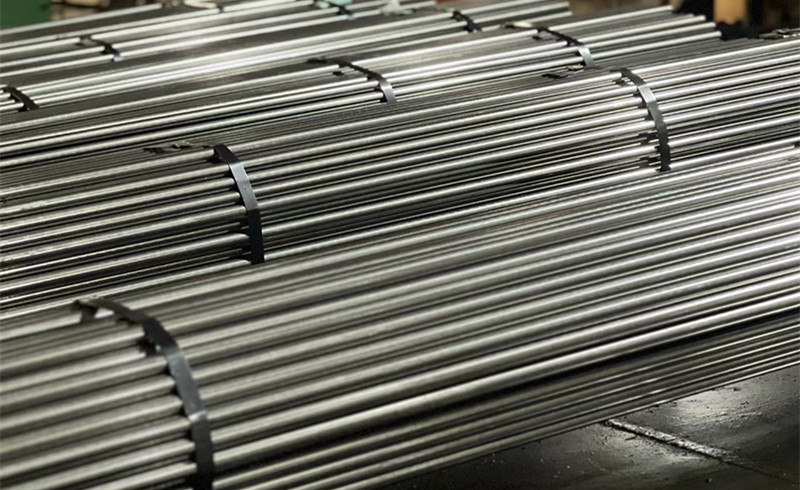
Heat Treatment Requirements (Solution & Aging)
Heat treatment is central to achieving AMS 4981 performance targets. The standard process includes:
Solution Treatment: Dissolves alloying elements to create a uniform microstructure
Rapid Quenching: Retains metastable phases
Aging (Precipitation Hardening): Promotes controlled precipitation for strength enhancement
This heat treatment sequence significantly improves fatigue strength, tensile properties, and long‑term thermal stability—key requirements for rotating and load‑bearing aerospace parts.
Typical Applications of AMS 4981 Titanium
Because of its exceptional strength‑to‑weight ratio and thermal performance, AMS 4981 titanium is widely used in demanding environments:
Aerospace Applications
Aircraft engine compressor discs
Fan hubs and rotating components
Structural forgings exposed to elevated temperatures
High‑strength fasteners and fittings
Industrial & High‑Performance Uses
Gas turbine components
High‑load mechanical systems
Advanced motorsport and racing parts
AMS 4981 is particularly favored where long‑term exposure to heat and cyclic stress would limit the service life of lower‑strength titanium alloys.
AMS 4981 vs Other Titanium Alloys
| Alloy | Strength | Temperature Capability | Typical Use |
| Ti‑6Al‑4V (AMS 4928) | Medium‑High | Moderate | General aerospace & industrial |
| Ti‑6242 | High | High | Engine and structural parts |
| AMS 4981 (Ti‑6246) | Very High | Very High | Critical engine & high‑stress components |
AMS 4981 stands out when maximum strength and creep resistance are required, even though it is more challenging to process than standard alpha‑beta alloys.
Processing and Machining Considerations
While AMS 4981 titanium delivers outstanding performance, it presents several manufacturing challenges:
Higher cutting forces due to increased strength
Accelerated tool wear during machining
Strict control required during heat treatment
Forging and forming require precise temperature management
These factors make supplier experience and process control especially important when sourcing AMS 4981 products.
Quality Control and Standards Compliance
Materials produced to AMS 4981 are subject to stringent quality requirements, including:
Chemical composition verification
Mechanical property testing
Microstructural inspection
Non‑destructive testing (when required)
Compliance with AMS 4981 ensures consistency, traceability, and reliability for aerospace and high‑performance applications.
Why Choose AMS 4981 Titanium?
AMS 4981 titanium alloy offers a unique balance of:
Exceptional tensile and fatigue strength
Excellent creep resistance at elevated temperatures
Proven reliability in aerospace environments
Reduced weight compared to nickel‑based superalloys
For applications where performance margins are tight and failure is not an option, AMS 4981 remains one of the most trusted titanium alloy specifications available today.