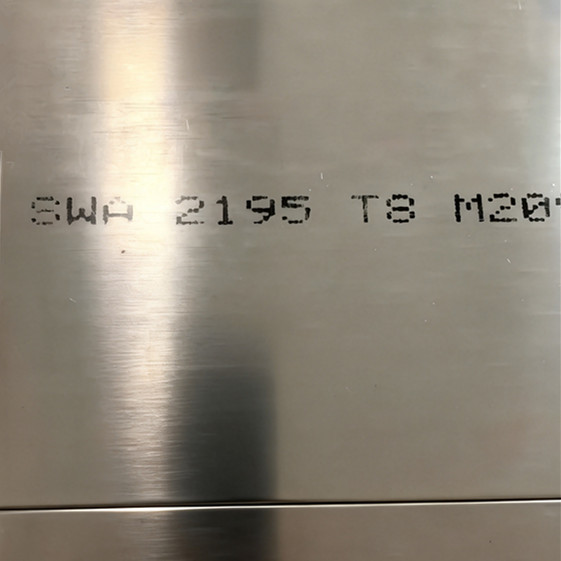
2024 T3 T351 Aluminum Sheet Plate AMS 4037
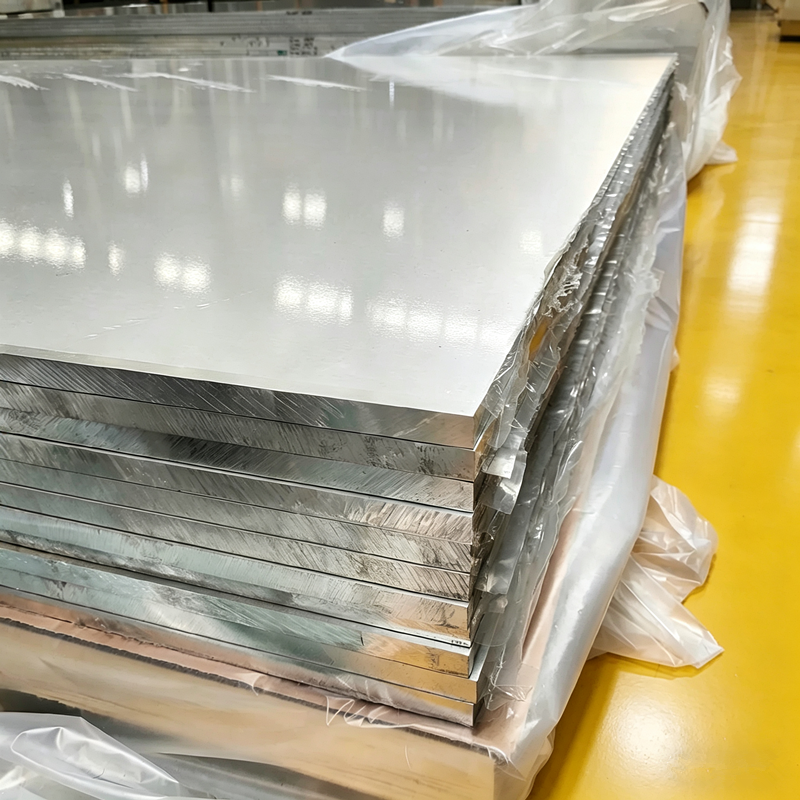
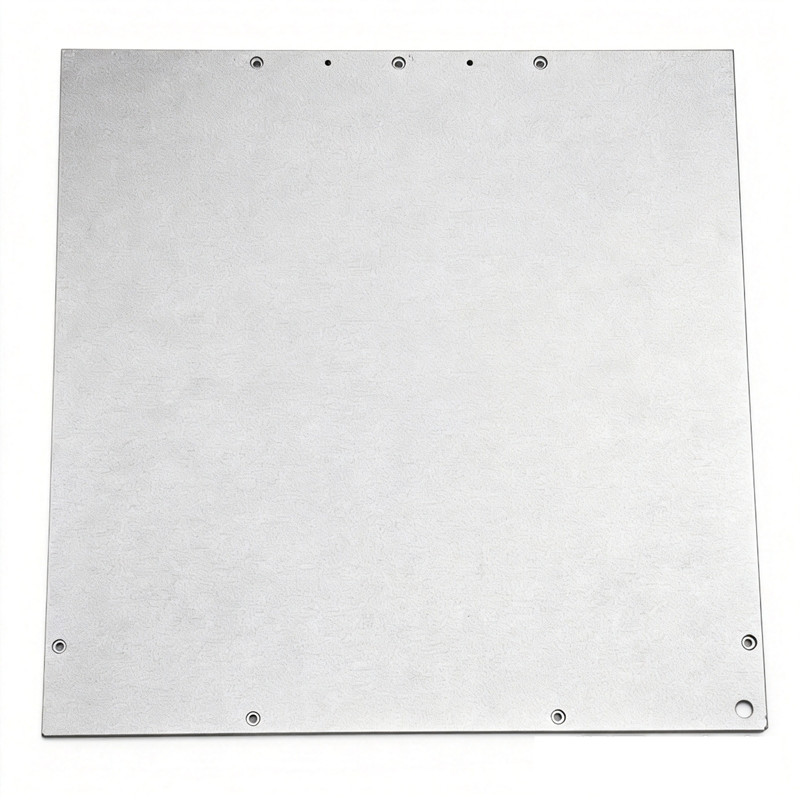
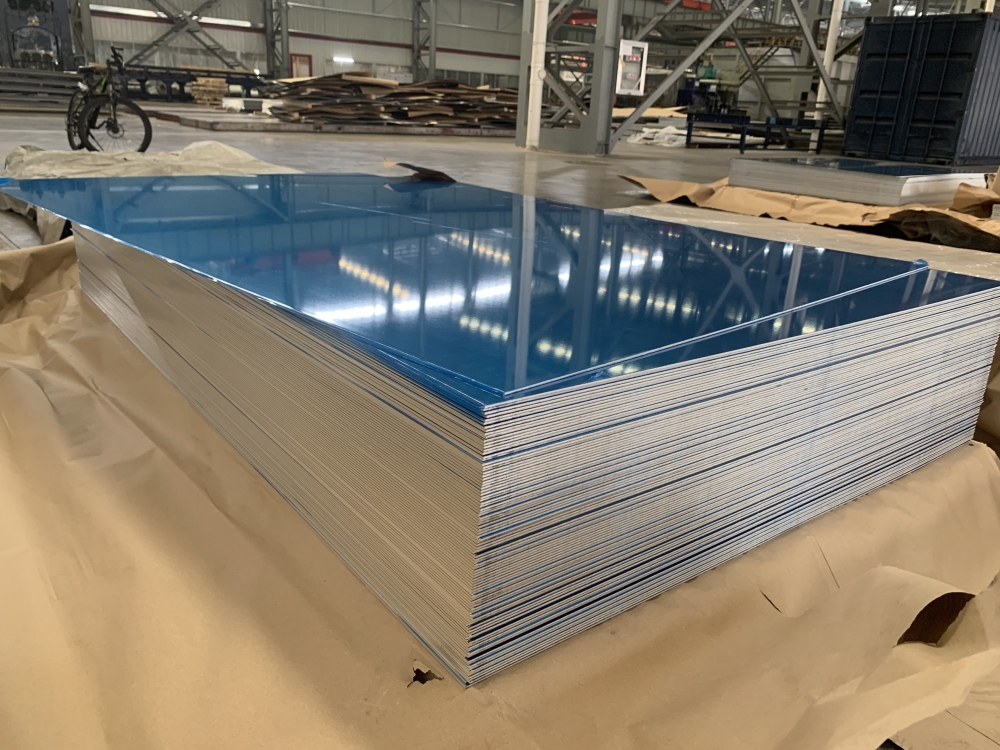
2024 aluminum sheet and plate is one of the most widely specified materials in the aerospace industry. Especially for structural applications which require high fatigue resistance and less weight. Shenzhen Chinalcometal supply 2024 T3/T351 aluminum sheet and plate per AMS 4037, with excellent mechanical properties, good machinability, and proven performance in aircraft skins, fuselage structures, wing components, and precision-machined aerospace parts.
2024 t3 t351 Aluminum Sheet's Chemical Composition
Aluminum (Al): Balance
Copper (Cu): 3.8% – 4.9%
Magnesium (Mg): 1.2% – 1.8%
Manganese (Mn): 0.3% – 0.9%
Iron (Fe): ≤ 0.5%
Silicon (Si): ≤ 0.5%
Zinc (Zn): ≤ 0.25%
Chromium (Cr): ≤ 0.10%
Titanium (Ti): ≤ 0.15%
Other elements: Each ≤ 0.05%, Total ≤ 0.15%
AL 2024-T3 Sheet Plate Mechanical Properties
Tensile Strength: approx. 470 MPa
Yield Strength: approx. 325 MPa
Elongation: approx. 10% – 15%
Hardness: approx. 120 HB
Good fatigue resistance and moderate machinability
Aluminum 2024-T351 Sheet Plate Mechanical Properties
Tensile Strength: approx. 470 MPa
Yield Strength: approx. 325 MPa
Elongation: approx. 10% – 15%
Hardness: approx. 120 HB
Stress-relieved condition with improved dimensional stability during machining
2024 t3 t351 Aluminum Sheet Plate Stock Sizes
AMS4037 PLATE | Size (mm) |
2024-T3 | 1.5*1220*2440mm |
2024-T3 | 2.0*1220*2440mm |
2024-T351 | 12.7*1800*4600mm |
2024-T351 | 15.8*1800*4600mm |
2024-T351 | 19.1*1800*4600mm |
2024-T351 | 22.8*1800*4600mm |
2024-T351 | 25.4*1800*4600mm |
2024-T351 | 28.5*1800*4600mm |
2024-T351 | 31.7*1800*4600mm |
2024-T351 | 35.0*1800*4600mm |
2024-T351 | 38.1*1800*4600mm |
2024-T351 | 40.0*1800*4600mm |
2024-T351 | 44.4*1800*4600mm |
2024-T351 | 48.0*1800*4600mm |
2024-T351 | 50.8*1800*4600mm |
2024-T351 | 55.0*1800*4600mm |
2024-T351 | 57.1*1800*4600mm |
2024-T351 | 60.0*1800*4600mm |
2024-T351 | 63.5*1800*4600mm |
2024-T351 | 65.0*1800*4600mm |
2024-T351 | 69.8*1800*4600mm |
2024-T351 | 82.5*1800*4600mm |
2024-T351 | 88.9*1800*4600mm |
Applications of 2024 Aircraft Aluminum Sheet Plate
2024-T3 / T351 aluminum plate is best suited for aerospace structures and precision machined parts where fatigue resistance, strength, and weight reduction are critical.
1. Aircraft Structural Components
Aircraft fuselage skins
Wing structures
Stringers and frames
2. Precision Machined Aerospace Parts
Aircraft fittings
Brackets and supports
Structural connectors
2024-T351 (stress-relieved condition) is particularly suitable for CNC machining, compared to T3, it offers better dimensional stability and reduced distortion during machining.
3. Riveted and Fastened Structures
Riveted panels
Assembly components
4. High Fatigue-Resistance Parts
Aircraft load-bearing elements
Mechanical parts under cyclic loading