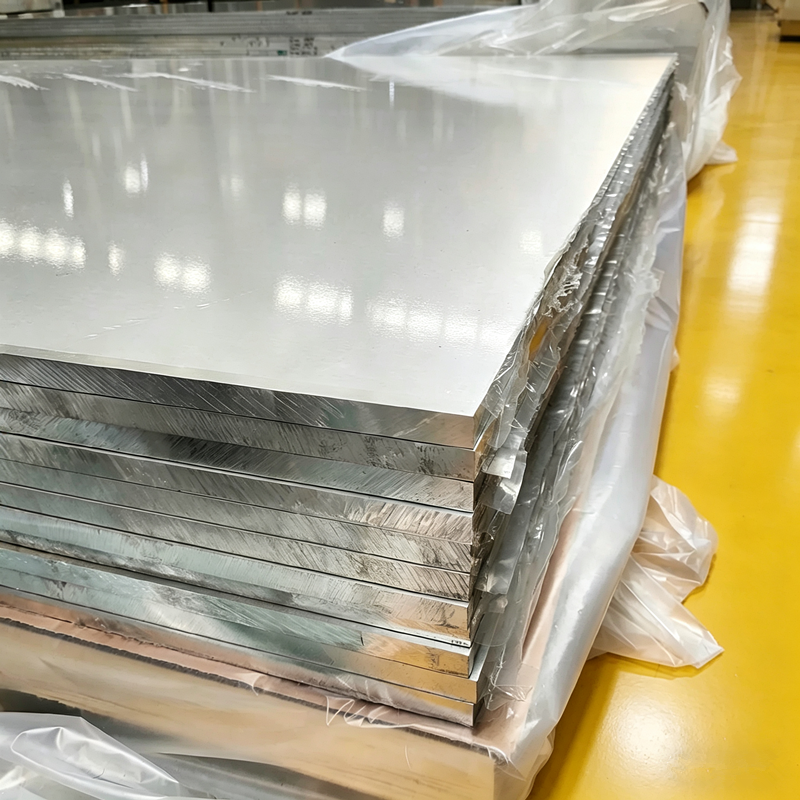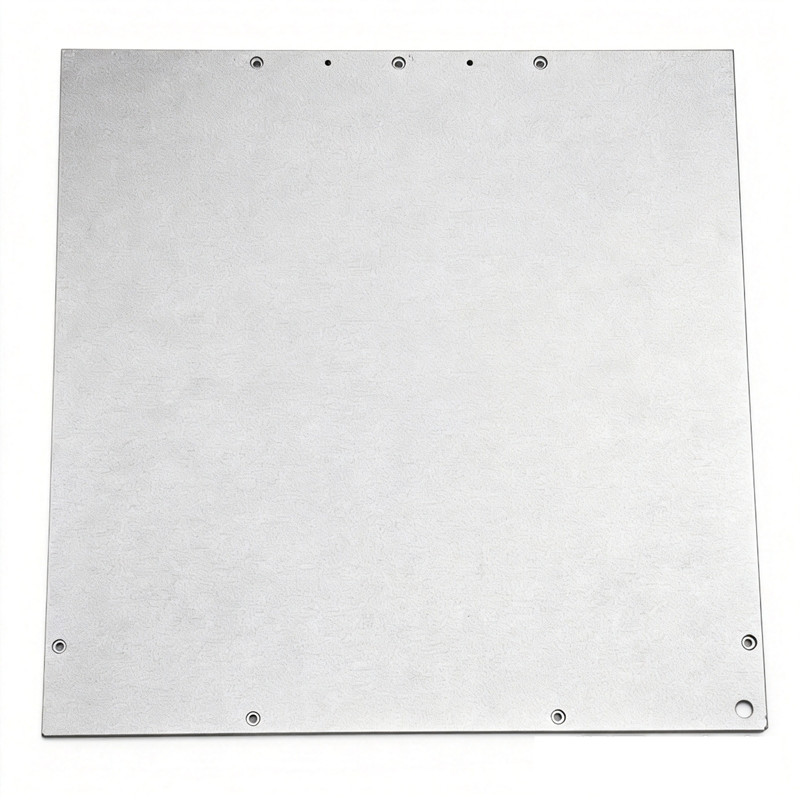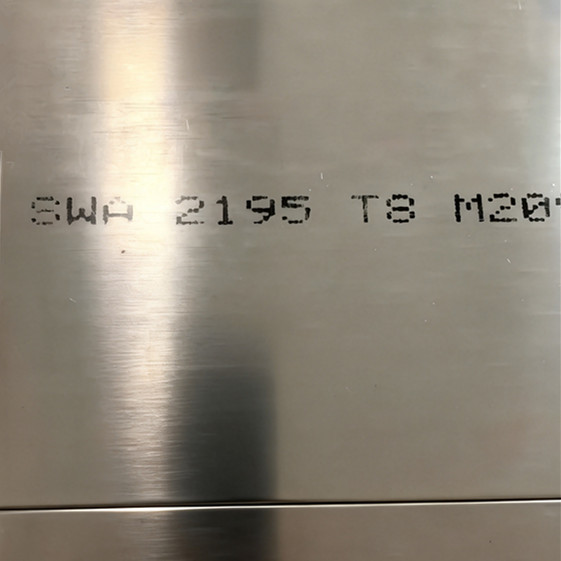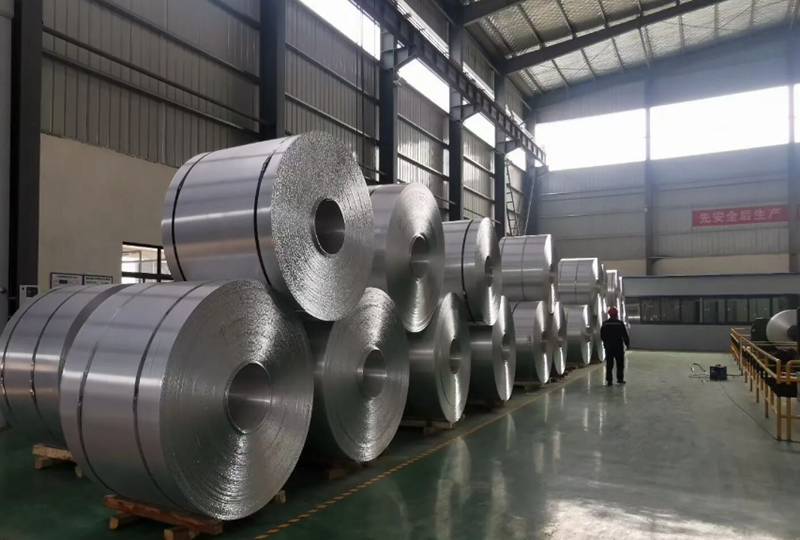
3003 3004 3005 Aluminum Sheet Plate Coil Alloy
What is 3003 3004 3005 aluminum?
3003, 3004, and 3005 aluminum are part of the 3xxx series aluminum-manganese alloys, known for their good corrosion resistance, excellent formability, and moderate strength. These non-heat-treatable alloys are widely used in roofing, packaging, cookware, and general sheet metal applications.
Aluminum alloy 3003 3004 3005 properties
| Property | 3003 Aluminum Alloy | 3004 Aluminum Alloy | 3005 Aluminum Alloy |
|---|---|---|---|
| Main Alloying Elements | Mn (1.0–1.5%) | Mn (1.0–1.5%) + Mg (0.8–1.3%) | Mn (1.0–1.5%) + Mg (0.2–0.6%) |
| Density (g/cm³) | 2.73 | 2.72 | 2.73 |
| Tensile Strength (MPa) | 130–200 (depending on temper) | 180–240 (depending on temper) | 190–240 (depending on temper) |
| Yield Strength (MPa) | 65–150 | 120–200 | 125–200 |
| Elongation (%) | 10–30 | 10–20 | 10–20 |
| Hardness (Brinell) | 40–60 | 50–65 | 55–70 |
| Electrical Conductivity (% IACS) | ~40–50% | ~38–45% | ~45–50% |
| Corrosion Resistance | Good | Good | Better than 3003/3004, close to 5xxx series |
| Weldability | Excellent | Good | Good |
| Formability | Excellent | Good | Good |
| Anodizing Response | Possible, but limited decorative finish | Possible, but not as good as 6xxx series | Possible, suitable for protective anodizing |
| Typical Applications | Roofing sheets, kitchen utensils, storage tanks | Beverage can bodies, roofing, curtain walls | Building facades, roofing, tubing, traffic signs |
3003 3004 3005 aluminum sheet plate coil size
Alloy | 3003 | 3004 | 3005 |
Thickness | Plate :6 mm- 150 mm Sheet:0.2 mm-6.0 mm Coil:0.1 mm-5.0 mm | Plate :6 mm- 150 mm Sheet:0.2 mm-6.0 mm Coil:0.1 mm-5.0 mm | Plate :6 mm- 150 mm Sheet:0.2 mm-6.0 mm Coil:0.1 mm-5.0 mm |
Width | 100mm-2000 mm | 100mm-2000 mm | 100mm-2000 mm |
Length | 1000mm-4000mm | 1000mm-4000mm | 1000mm-4000mm |
Surface Finish | Mill Finish, Anodized, checkered | Mill Finish, Anodized, checkered | Mill Finish, Anodized, checkered |
Heat Treatment | O,H12,H14,H16, H18,H22,H24,H26 | O,H12,H14,H16,H18 ,H22,H24,H26 | O,H12,H14,H16,H18 ,H22,H24,H26 |
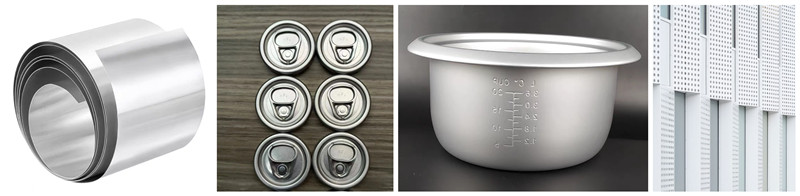
What are 3003 3004 3005 aluminum used for?
3003 Aluminum
Used in roofing sheets, cookware, decorative trim, storage tanks, gutters, and HVAC ducts due to its excellent corrosion resistance and workability.3004 Aluminum
Commonly used for beverage can bodies, roofing panels, siding, curtain walls, and lighting fixtures where higher strength than 3003 is needed.3005 Aluminum
Preferred for architectural applications, rainwater goods, appliance panels, kitchen equipment, and traffic signs, offering better corrosion resistance and strength than 3003 and 3004.
FAQ:
1. Is 3003 or 3004 aluminum safe for cooking food?
✅ Yes.
Both 3003 and 3004 aluminum are non-toxic, non-magnetic, and commonly used in cookware, kitchen utensils, food storage containers, and aluminum foil. They are considered food-safe, provided no harmful surface coatings are applied.
2. Is 3003 or 3004 aluminum bendable?
✅ Yes.
These alloys offer excellent formability, especially in the O (annealed) or H14 temper.
3003 is softer and easier to bend, ideal for deep drawing or complex forming.
3004 has added magnesium, so it's slightly stronger but still bendable with proper tooling.
3. Is 3003 or 3004 aluminum weldable?
✅ Yes, both are weldable.
They can be welded using TIG or MIG processes. However, due to manganese content, care should be taken to avoid hot cracking. Filler alloys such as 4045 or 3003 (for similar composition) are commonly used.