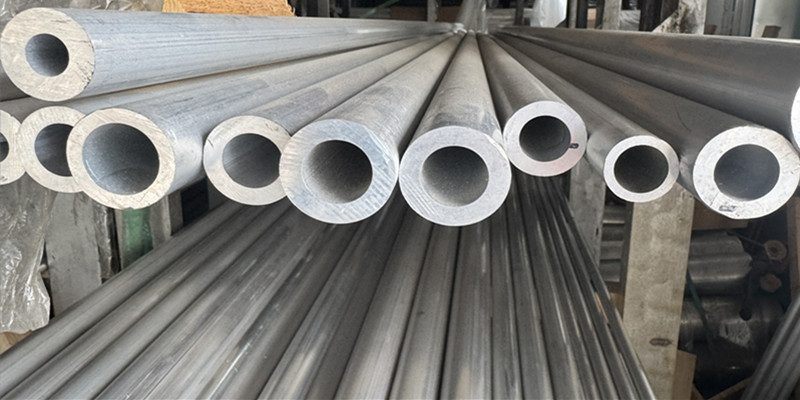
2017 Aluminum Tube Pipe
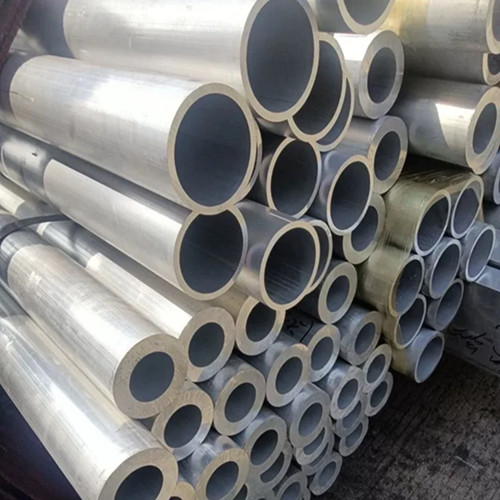
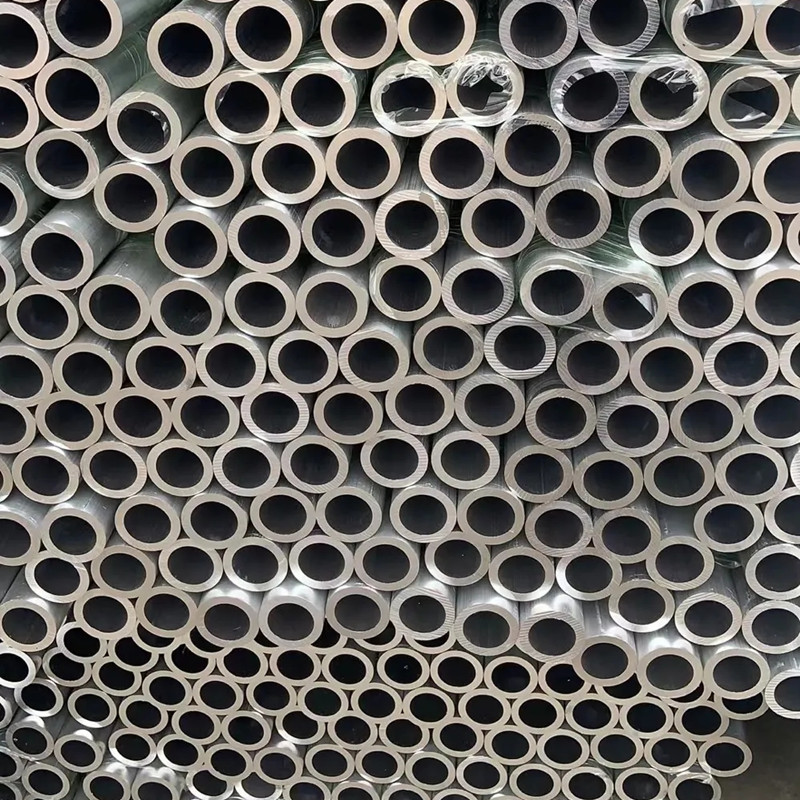
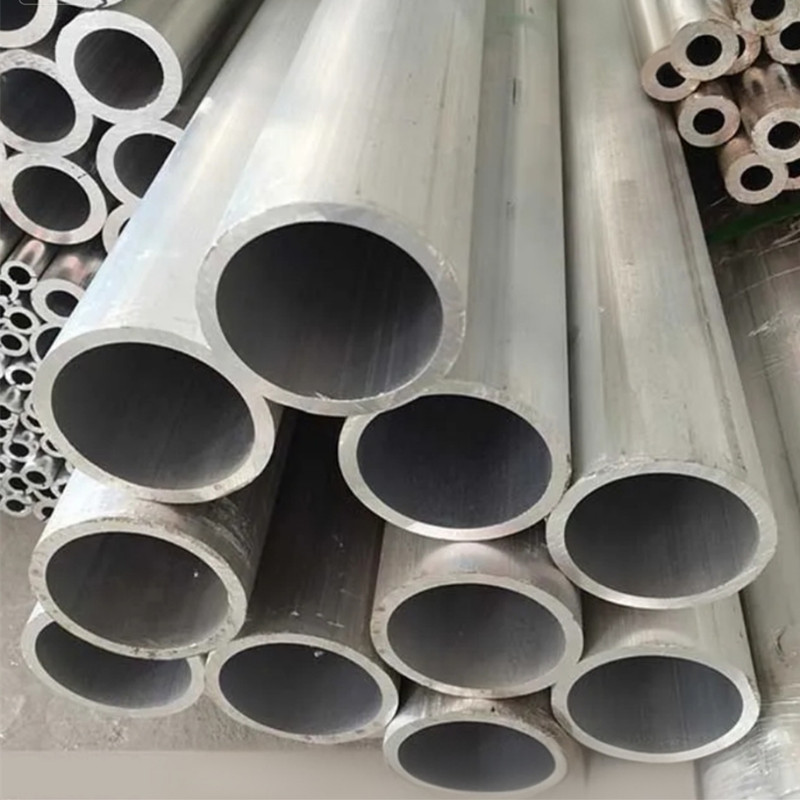
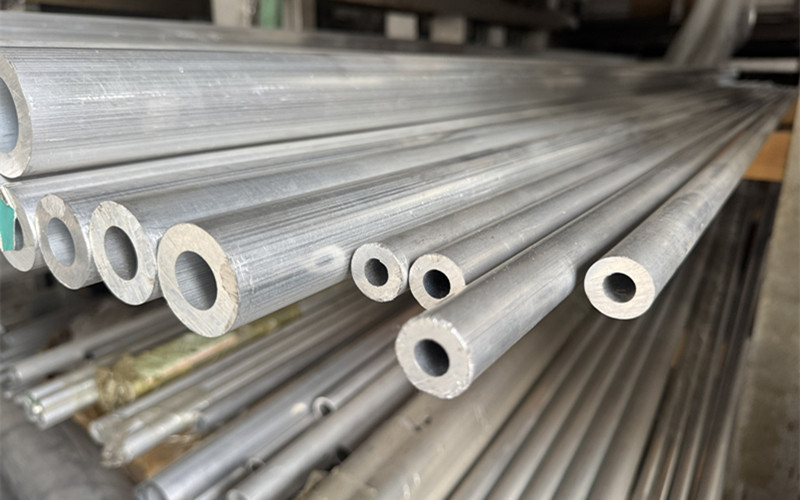
What is the aluminum alloy 2017 pipe tube?
The production process of 2017 aluminum pipe tube depends on whether it's extruded or seamless drawn. Since 2017 is a high-strength Al–Cu–Mg alloy, seamless extrusion + heat treatment is most common.2017 aluminum tubes/pipes are usually made by extrusion + drawing, but forged tubes also exist for special aerospace or high-strength applications.The most common references for 2017 aluminum tube are ASTM B210, ASTM B241, and SAE AMS 4088 for aerospace/military. In Europe, EN 754-8 / EN 755-8 are standard.
Forged Aluminum Tube/Pipe – Alloy 2017/2017A
Size Range (Typical Forged Tubes)
OD (outer diameter): 50 mm – 2600 mm (larger possible by ring rolling)
Wall thickness: 5 mm –180 mm
Length: up to 6 m (depending on press capacity)
Extruded or Seamless drawn Aluminum Tube/Pipe – Alloy 2017/2017A
Available Sizes (Typical Range)
Outer diameter (OD): 6 mm – 600 mm
Wall thickness: 0.5 mm – 50 mm
Length: up to 12 meters (custom cut available)
Tempers for 2017 / 2017A Aluminum Tube
2017-T4 – Solution heat-treated and naturally aged. Offers good formability and moderate strength, suitable for parts that require subsequent cold working or forming before final aging.
2017-T6 – Solution heat-treated and artificially aged to achieve maximum strength. Provides higher tensile and yield strength but slightly lower ductility.
2017-T351 – Solution heat-treated, stress-relieved by stretching, and naturally aged. Offers improved dimensional stability after machining, ideal for precision components.
2017-T451 – Solution heat-treated, stress-relieved by stretching, and artificially aged. Combines the high strength of T6 with the stress relief of T351, ensuring both excellent mechanical performance and stable dimensions for aerospace and high-precision machined parts.
Applications of 2017 Aluminum Tube
Aerospace structures – such as fuselage brackets, hydraulic lines, and connection fittings.
Automotive components – steering systems, suspension parts, and brake or fuel lines.
Machinery and tooling – precision jigs, fixtures, bushings, sleeves, and load-bearing parts.
Hydraulic and pneumatic systems – tubing subjected to cyclic loads and pressure variations.
What is the equivalent of aluminum 2017?
The equivalent of aluminum 2017 is often considered to be aluminum 2024, since both belong to the Al-Cu-Mg (aluminum–copper–magnesium) alloy family and share similar properties in strength, fatigue resistance, and heat-treatability. When comparing aluminum 2017 vs 2024, the main differences come from their alloying composition and performance balance.
Aluminum 2017 offers high mechanical strength, excellent machinability, and good fatigue and wear resistance. It's often used in precision-machined components such as aircraft fittings, hydraulic tubes, and automotive parts that require dimensional stability and tight machining tolerance. Thanks to its copper content, it delivers strong performance but has only moderate corrosion resistance compared with 6xxx alloys.
Aluminum 2024, in contrast, contains a higher copper and magnesium content, providing even greater strength and fatigue resistance than 2017. It's one of the most widely used aerospace-grade alloys for aircraft wings, fuselage frames, and structural parts where the strength-to-weight ratio is critical. However, 2024 aluminum is more prone to corrosion and is often clad (e.g., 2024-T3 Alclad) for added protection.
In summary, when looking at aluminum 2017 vs 2024, 2024 can be seen as an enhanced, higher-strength evolution of 2017—ideal for aerospace load-bearing structures—while 2017 remains the better choice for precision-machined parts requiring excellent machinability and dimensional stability.
What is the difference between 6061 and 2017?
The key difference between 6061 and 2017 aluminum lies in their composition and performance balance between strength, machinability, and corrosion resistance. 2017 (or 2017A) is a high-strength aluminum-copper alloy, delivering significantly higher tensile and yield strength than 6061. Its mechanical strength approaches that of some steels, yet remains about one-third the weight. 2017 is also heat-treatable (T4, T6, T351) and offers excellent fatigue and wear resistance, making it ideal for aerospace load-bearing structures, automotive suspension parts, and precision-engineered components. Additionally, its outstanding machinability—producing short chips and reducing tool wear—makes it one of the best choices for CNC machining, fittings, and high-precision assemblies.
By contrast, 6061 aluminum (an Al-Mg-Si alloy) is more versatile and corrosion-resistant but has lower strength. It offers better weldability and general formability, making it a preferred option for structural frames, pipelines, and marine applications where exposure to moisture or salt is common. While 2017 is chosen for high-strength and precision parts, 6061 is favored for lightweight structures requiring corrosion resistance and easy fabrication—thus, the choice between them depends on whether the application prioritizes strength and machinability (2017) or corrosion resistance and weldability (6061).
As a professional 2017 aluminum supplier, Shenzhen ChinalcoMetal provides a full range of products, including 2017 aluminum tube, 2017 aluminum bar, and 2017 aluminum plate, all available in customized sizes and tempers. Whether you need high-strength tubing for aircraft systems or precision-machined bars for mechanical components, we can deliver reliable materials that meet your exact specifications.
Contact us today for detailed quotations or technical support — we are ready to support your next high-performance project.