Aluminum Lithium Alloy: Properties, Grades, and Aerospace Applications
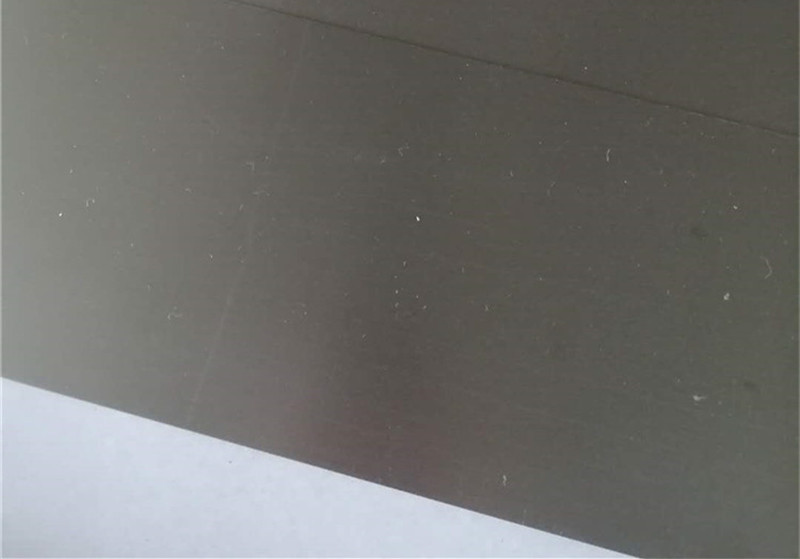
Aluminum lithium alloy (Al-Li alloy) represents a major advancement in lightweight structural materials for aerospace and spaceflight applications. By introducing lithium into aluminum—often combined with copper, magnesium, and other alloying elements—these alloys deliver a unique combination of reduced density, increased stiffness, and improved structural efficiency compared with conventional aluminum alloys.
Today, aluminum lithium alloys are widely used in aircraft structures, launch vehicles, and cryogenic systems where weight savings directly translate into performance gains.
Fundamental Properties of Aluminum Lithium Alloys
Low Density and High Specific Stiffness
One of the most defining characteristics of aluminum lithium alloys is their reduced density. Typical Al-Li alloys exhibit densities in the range of 2.47–2.72 g/cm³, significantly lower than traditional 2xxx and 7xxx series aluminum alloys.
From a materials science perspective, lithium is unique among alloying elements:
Each 1 wt.% lithium addition reduces aluminum density by approximately 3%
At the same time, elastic modulus increases by roughly 6%
As a result, aluminum lithium alloys achieve higher stiffness-to-weight ratios, making them especially suitable for large aerospace panels and shells where deflection control is critical.
Strength and Structural Efficiency
Depending on alloy system and temper condition (commonly T6 or T8), aluminum lithium alloys offer a broad strength range:
Tensile strength: ≥400 MPa to over 580 MPa
Yield strength: ≥200 MPa to over 550 MPa
Unlike conventional aluminum alloys, many Al-Li grades achieve high strength without sacrificing stiffness or increasing density, allowing engineers to reduce gauge thickness while maintaining load-bearing capability.
Fatigue, Damage Tolerance, and Low-Temperature Performance
Modern aluminum lithium alloys are designed with fatigue and damage tolerance in mind. Several grades demonstrate significantly improved fatigue life and slower crack growth rates compared with earlier aerospace aluminum alloys.
In addition, Al-Cu-Li systems maintain excellent mechanical properties at low and cryogenic temperatures, making them suitable for liquid hydrogen and liquid oxygen environments in space launch vehicles.
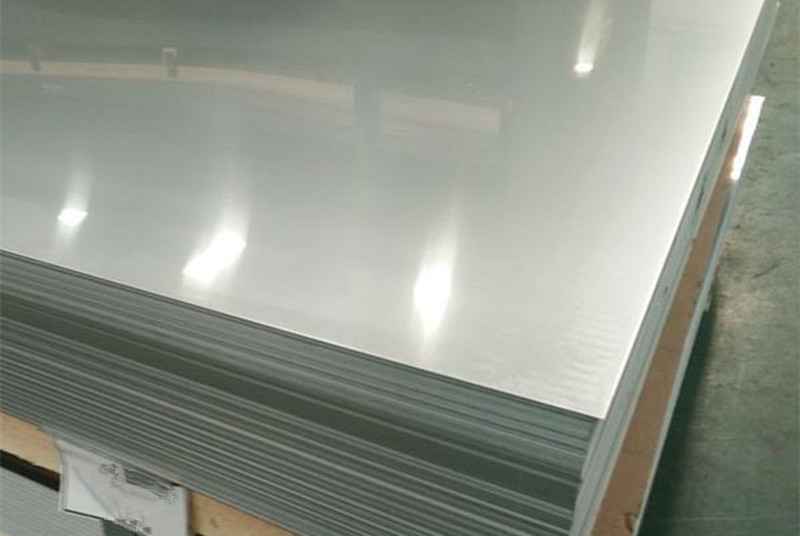
Classification of Typical Aluminum Lithium Alloy Grades
Al-Mg-Li System: 5A90 (1420)
5A90 (also known as 1420 aluminum lithium alloy) is characterized by ultra-low density—approximately 2.47 g/cm³, one of the lowest among commercial aluminum alloys.
Key features include:
Outstanding weight reduction potential
Good corrosion resistance
Balanced formability and weldability
This alloy is commonly used for aircraft skins, thin sheets, profiles, and forgings where minimizing mass is the primary design objective.
Early-Generation Aerospace Al-Li Alloy: 8090
8090 aluminum lithium alloy represents an earlier generation of Al-Li development. With moderate to high strength and improved stiffness, it has been used as a replacement for traditional alloys such as 2014, 2024, and 7075 in selected aerospace applications.
Typical product forms include sheets, forgings, and extrusions for frames, ribs, and fuselage components.
High-Strength Al-Cu-Li Alloys: 2195, 2196, 2198
Al-Cu-Li alloys represent the most widely adopted aluminum lithium systems in modern aerospace structures. Among them, 2195 aluminum lithium alloy is particularly notable for its combination of high strength, excellent cryogenic performance, and weldability.
In practical engineering applications, 2195 aluminum lithium alloy plate is widely used for cryogenic propellant tanks, pressure shells, and welded aerospace structures, where it often replaces 2219 aluminum alloy while delivering significant weight savings and improved structural efficiency.
Other grades such as 2196 and 2198 provide a more balanced profile, emphasizing damage tolerance and fatigue resistance for aircraft fuselage panels and wing skins.
High-Stiffness and Fatigue-Optimized Alloys: 2297 and 2099
Alloys such as 2297 and 2099 are designed to maximize stiffness and fatigue performance. With elastic modulus values approaching 77–78 GPa, these materials are well suited for load-bearing aircraft structures including skins, stringers, and beams.
Their improved fatigue resistance makes them especially attractive for long-life commercial aircraft programs.
Advanced High-Strength Al-Li Alloys: 2A97, 2050, and 2065
Advanced aluminum lithium alloys such as 2A97, 2050, and 2065 push strength levels even further, with tensile strength exceeding 490–580 MPa while maintaining reduced density compared with traditional high-strength aluminum alloys.
These alloys are commonly selected for thick plates, heavily loaded components, and primary aircraft structures where both strength and stiffness are critical.
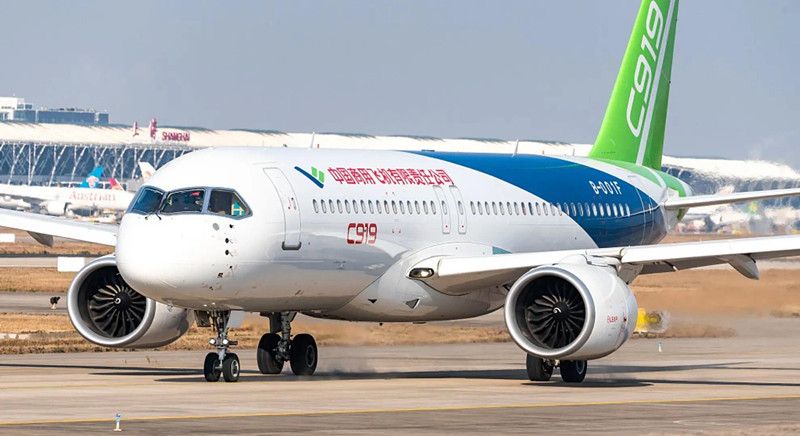
Typical Applications of Aluminum Lithium Alloys
Based on their material characteristics, aluminum lithium alloys are widely applied in:
Aircraft Structures
Fuselage skins and panels
Wing skins and ribs
Stringers, frames, and stiffeners
Space and Launch Vehicle Systems
Cryogenic propellant tanks
Intertank structures and shells
Load-bearing domes and pressure vessels
Lightweight High-Stiffness Components
Large structural panels
Fatigue-critical aerospace components
How to select the right Al-Li alloy
From an engineering standpoint, aluminum lithium alloys are not simply lighter alternatives to conventional aluminum. They enable system-level optimization, allowing designers to reduce mass, increase stiffness, and improve fatigue performance simultaneously.
Different Al-Li alloy systems serve different design priorities:
Al-Mg-Li alloys prioritize extreme weight reduction and corrosion resistance
Al-Cu-Li alloys balance high strength, stiffness, and low-temperature performance
Advanced Al-Li systems target primary load-bearing structures
Proper alloy selection depends on structural function, thickness, joining method, and operating environment.
Conclusion
Aluminum lithium alloys have become essential materials in modern aerospace and spaceflight engineering. By combining low density, high stiffness, and advanced mechanical performance, they allow designers to push the limits of structural efficiency and performance in aircraft and launch vehicle systems.
As aerospace structures continue to grow larger and lighter, aluminum lithium alloys will remain a critical material platform for next-generation designs.