Can 7075 Aluminum Alloy Be Welded? Weldability and Solutions
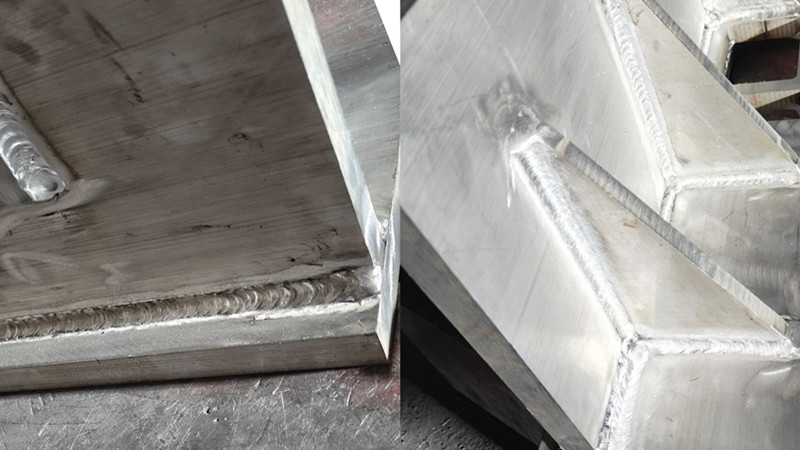
7075 aluminum one of the most difficult alloys to weld for its high strength-to-weight ratio, this article explores the welding challenges associated with 7075 aluminum and provides solutions for overcoming them. We will also introduce our premium 7075 aluminum plates, pipes, and bars, ensuring your projects start with high-quality materials.
Why is 7075 Aluminum Alloy Difficult to Weld?
7075 aluminum is primarily composed of zinc (Zn), magnesium (Mg), and copper (Cu). While these elements contribute to its strength, they also present several challenges during the welding process:
Prone to intergranular cracking
During welding, the microstructure in the weld zone of 7075 aluminum is highly susceptible to hot cracking. This issue is often invisible to the naked eye and requires thorough mechanical testing to ensure weld quality.
Oxidefilm interference
Aluminum naturally forms a stable, high-melting-point oxide layer (Al₂O₃) on its surface, which disrupts the welding pool formation. Proper cleaning methods, such as chemical treatment or mechanical grinding, are necessary before welding to remove the oxide film.
Hydrogen porosity
While in liquid form, aluminum can absorb large amounts of hydrogen. During rapid cooling, hydrogen does not have time to escape, leading to porosity in the weld, which compromises quality.
High thermal conductivity
Aluminum's thermal conductivity causes heat to dissipate quickly through the base material, making it difficult to maintain a stable weld pool. This results in a significant energy loss compared to welding steel.
Large coefficient of thermal expansion
7075 aluminum expands and contracts significantly during heating and cooling, which often results in distortion, shrinkage, or cracking of the weld joints.
Solutions for Welding 7075 Aluminum Alloy
Despite the challenges, superficial fusion welding of 7075 aluminum alloy is technically possible. However, conventional fusion welding can not restore the original high strength and stress-corrosion resistance of 7075 base material. The key lies in selecting the right welding techniques and filler materials for non-critical applications.
Recommended TIG Welding Filler Material: ER-5356
Magnesium Content (4.5%–5.5%): Enhances the weld's strain hardening ability.
Chromium Content (0.05%–0.20%): Improves weld deposit toughness and reduces cracking tendencies.
Although ER-5356 filler wire can moderately improve weld appearance and reduce crack tendency, it can not eliminate inherent weaknesses of fusion-welded 7075, including heat affected zone softening and long-term stress corrosion cracking risks. While ER-5356 filler wire can improve weld quality to some extent, it is essential to perform thorough testing to ensure the weld's structural integrity.
Friction Stir Welding (FSW): The Ideal Solution
Friction stir welding (FSW) has emerged as the most effective method for welding 7075 aluminum. As a solid-state welding process, FSW avoids melting the base material, thereby eliminating problems such as intergranular cracking and porosity.
FSW offers unmatched benefits for thick plates and complex structures, ensuring high-strength, defect-free weld joints. This innovative technique unlocks new possibilities for using 7075 aluminum in demanding applications.
Similar to 7075, 2024 aluminum is classified as non-weldable via conventional fusion welding for structure use. It could be physically fusion-welded to form a joint, but fusion welding severely damages its precipitation-hardening microstructure and permanently sacrifices mechanical performance.
Key Problems in Welding 2024
2024 gains strength from S-phase (Al₂CuMg) precipitation.
Welding heat dissolves or coarsens S-phase → severe loss of tensile and fatigue strength.
High copper content triggers intergranular hot cracking, making it one of the most crack-sensitive aluminum alloys.
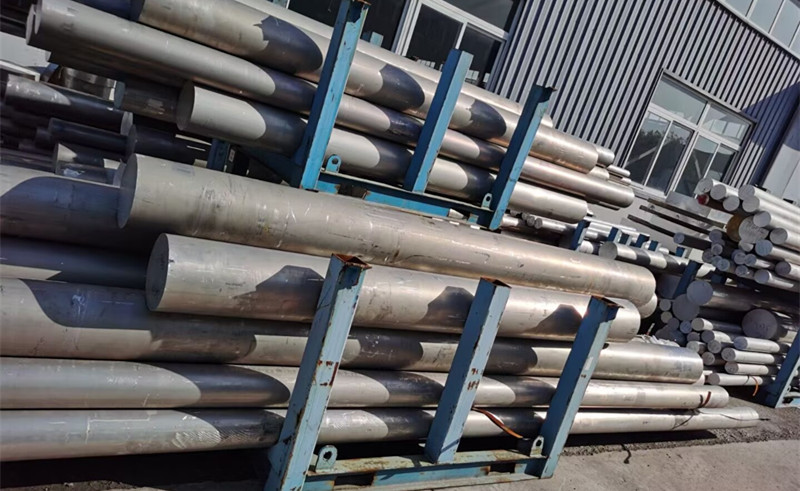
Given the strict welding limitations and high performance requirements of 7075 and 2024 aluminum, selecting qualified, stable base material is the first critical step for your high-strength projects. To meet these demanding requirements, we provide a full range of premium 7075 and 2024 aluminum semi-finished products with consistent quality and precise specifications.
Our 7075 & 2024 Aluminum Products
We supply high-purity, high-strength 7075 and 2024 aluminum materials engineered for harsh and high-load engineering environments.
Available Product Forms
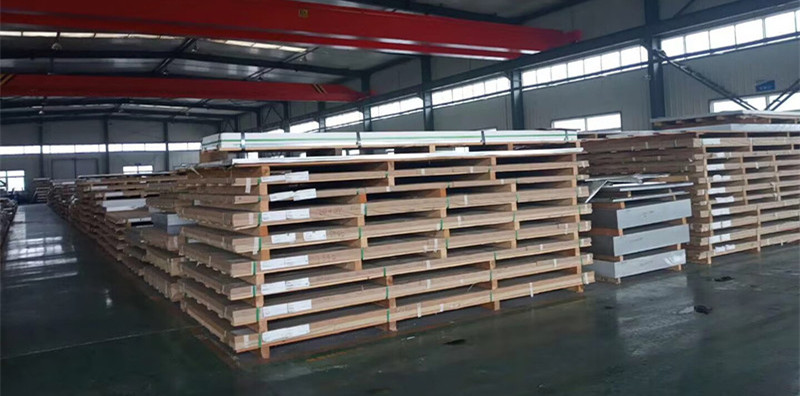
- 7075 t7351 Aluminum Plate
-7075-t651 Aircrafe Plate
- Aviation 2024 Clad Sheet
- 7075-t6 Seamless Tube
- 7075 t7352 Aluminum Bar & Rod
- 2024 t3 t4 Aluminum Bar & Rod
Advantages of Our Materials
- Outstanding high strength-to-weight ratio, ideal for lightweight structural design
- Stable internal metallurgical structure, lowering hidden risks in later machining
- Excellent machinability with tight and consistent dimensional tolerances
- Premium uniform surface quality, effectively reducing machining waste
- Flexible customization: custom sizes, tempers and cut lengths available
- Certified to comply with ASTM, AMS and other international aerospace-grade standards
Typical Applications
Our high-performance 7075 and 2024 aluminum plates, pipes and bars are widely adopted in high-demand fields:
- Aerospace structural components
- High-performance automotive & racing parts
- Bicycle and lightweight frame manufacturing
- Precision mechanical components
- High-end sports equipment
- Military and defense structural parts
Whether you are working on large structural projects or high-precision custom machining, our 7075 and 2024 aluminum materials offer stable performance and reliable quality for your critical applications.
Q&A Section
Q1: Can 7075 aluminum be welded
A1: Technically, 7075 can be fusion-welded to form a joint, but conventional TIG/MIG welding cannot recover its original strength. Welded 7075 suffers from softening, hidden microcracks, and delayed stress corrosion risks. Therefore, fusion welding is not approved for structural or load-bearing parts.
Q2: Why is 7075 aluminum alloy difficult to weld?
A: The high zinc and copper content make the weld zone prone to intergranular cracking, porosity, and deformation, presenting significant welding challenges.
Q3: What filler material is recommended for TIG welding 7075 aluminum?
A: ER-5356 filler wire is recommended due to its magnesium content, which improves weld hardness and toughness.
Q4: What is the best welding method for 7075 aluminum alloy?
A: Friction Stir Welding (FSW) is the ideal method, as it avoids melting the base material and eliminates common weld defects such as cracking and porosity.
Q5: Can 2024 aluminum be welded for structural
A2: No. 2024 is widely recognized as structurally non-weldable by fusion welding. Welding destroys its S-phase strengthening structure, resulting in huge strength loss and extreme hot-cracking sensitivity
Q6: Why do people say 7075 and 2024 are "unweadable"
A5: The term "unweldable”does not mean they cannot be welded visually. It means fusion welding cannot maintain structural safety, mechanical strength, and long-term service reliability.