What Does a Heated Bed Do on a 3D Printer?
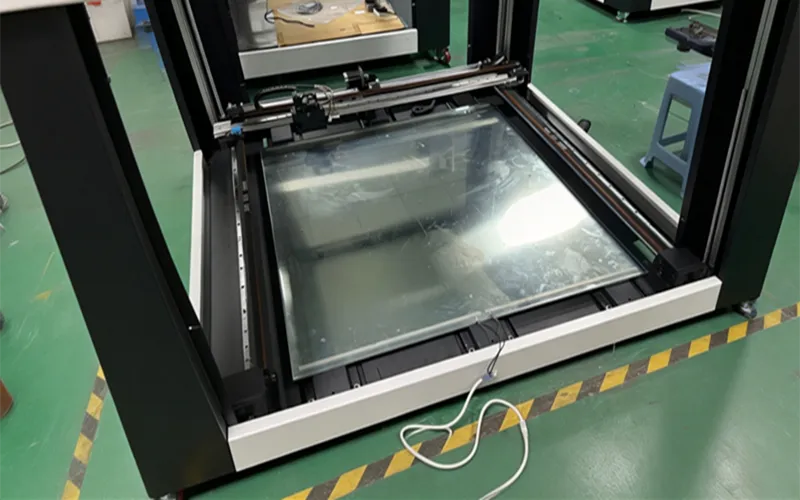
A heated bed is one of the most important components in many modern 3D printers. It is a temperature-controlled platform that the printed object is built on during the printing process. By heating the build surface, the heated bed improves adhesion of the first layer, reduces warping, and helps maintain consistent print quality.
Heated beds are widely used in FDM (Fused Deposition Modeling) 3D printers and are essential when printing materials such as ABS, PETG, Nylon, and other engineering filaments.
What Is a Heated Bed Made Of?
A typical 3D printer heated bed consists of several layers:
Top Surface (PEI sheet / glass / build surface)
Aluminum plate (heat spreader plate)
Silicone heater or PCB heater
Temperature sensor (thermistor)
The aluminum plate acts as a heat spreader, distributing heat evenly across the entire build platform. Aluminum is commonly used because it offers:
Excellent thermal conductivity
Good flatness
High mechanical stability
Lightweight structure
These properties ensure uniform heating and a stable printing surface.
Common Heated Bed Sizes
Heated bed size depends on the build volume of the 3D printer. Some common sizes used in desktop and professional printers include:
220 × 220 mm
300 × 300 mm
350 × 350 mm
400 × 400 mm
The aluminum plate thickness is typically:
3 mm
4 mm
5 mm
6 mm
Thicker plates provide better structural rigidity and heat distribution, especially for larger print beds.
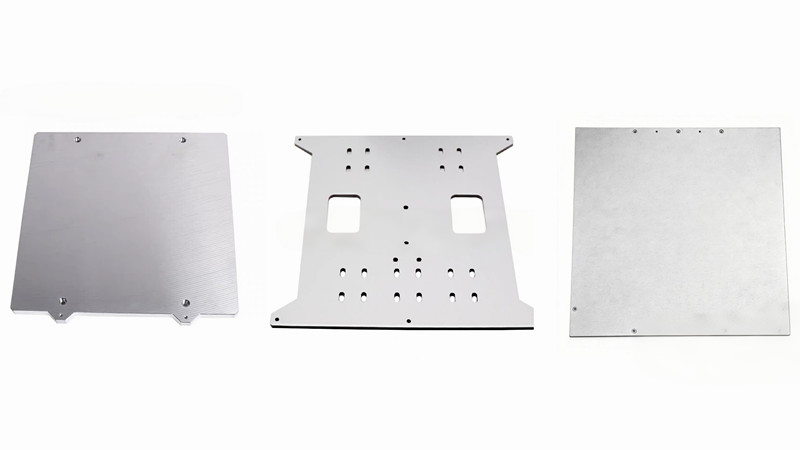
What Aluminum Grade Is Used for a Heated Bed?
Several aluminum alloys are commonly used for heated bed plates.
6061-T6 Aluminum
A widely used structural aluminum alloy that provides good strength, stability, and machinability.
5052 Aluminum
Offers excellent corrosion resistance and good formability.
Cast Aluminum Tooling Plate (MIC6 or equivalent)
Cast aluminum plates have low internal stress and excellent flatness, making them ideal for precision platforms.
These materials provide the thermal performance and flatness required for consistent 3D printing results.
Heated Bed Temperature Range
Heated beds operate at different temperatures depending on the filament used.
Typical temperature ranges include:
PLA: 50–60°C
PETG: 70–85°C
ABS: 90–110°C
Nylon: 90–110°C
Maintaining the correct bed temperature helps prevent print warping, edge lifting, and layer separation.
What Happens If a Heated Bed Fails?
Over time, heated beds may fail due to:
Heater element burnout
Warped aluminum plates
Electrical damage
Uneven heating
If the aluminum plate becomes warped or damaged, it can cause poor first-layer adhesion and inconsistent print quality.
Replacing the aluminum heated bed plate is often the easiest way to restore printing performance.
For replacement plates, manufacturers and DIY builders typically look for precision aluminum plates with good flatness and accurate dimensions.
You can learn more about available materials and sizes in our guide to
Aluminum Plate for 3D Printer Heated Bed.
Replacing a Heated Bed Aluminum Plate
Replacing a heated bed plate generally involves the following steps:
Turn off and disconnect the printer.
Remove the build surface and mounting screws.
Disconnect the heater wiring.
Install the new aluminum plate.
Reattach the heater pad and temperature sensor.
Re-level the printer bed.
Once installed, the printer should be recalibrated to ensure optimal performance.
Conclusion
A heated bed plays a crucial role in modern 3D printing by improving first-layer adhesion, preventing warping, and ensuring consistent print quality. The aluminum plate used in the heated bed acts as a thermal distribution platform, making material selection and flatness extremely important.
Whether you are building a custom 3D printer or replacing a damaged heated bed, choosing the right aluminum plate can significantly improve printing reliability and performance.