What's the Difference Between 6061, 6262 and 2011 Aluminum?
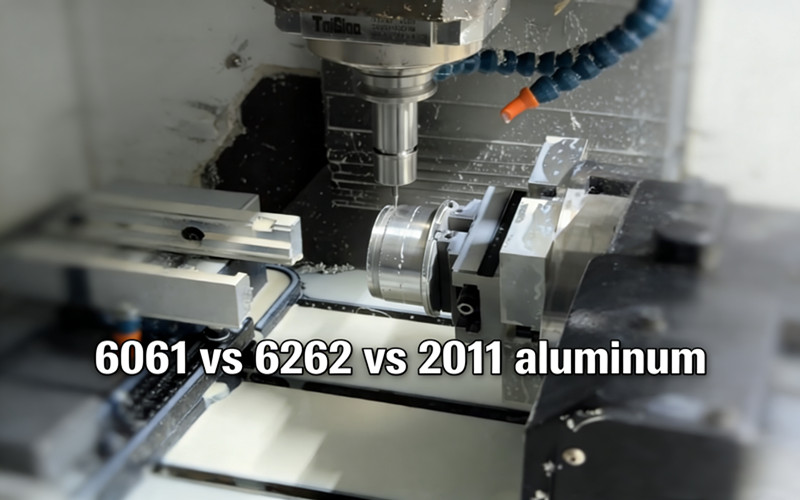
6061, 6262, and 2011 aluminum alloys are all widely used in CNC machining and precision manufacturing. They are commonly found in bars, rods, and tubes for producing mechanical components, fittings, and high-volume machined parts.
Although these alloys share some similarities, their performance differences—especially in machinability, strength, and corrosion resistance—can significantly impact production efficiency and product quality. Understanding these differences helps engineers, buyers, and manufacturers select the right material for optimal performance and cost-effectiveness.
Common Features of 6061, 6262 and 2011 Aluminum
Despite belonging to different alloy series, these three aluminum grades share several common characteristics:
All are wrought aluminum alloys used in industrial applications
All are heat-treatable alloys, capable of achieving higher strength through heat treatment
Available in similar product forms:
Aluminum bars
Precision rods
Tubes (seamless or extruded)
Suitable for:
CNC machining
Automatic lathes
Precision component manufacturing
However, their alloying elements introduce significant differences in performance.
Chemical Composition Comparison
The primary differences between 6061, 6262, and 2011 aluminum lie in their alloying elements:
| Element | 6061 Aluminum | 6262 Aluminum | 2011 Aluminum |
|---|---|---|---|
| Main Alloying Elements | Mg + Si | Mg + Si + Bi/Pb | Cu + Bi/Pb |
| Magnesium (Mg) | ✔ | ✔ | ✖ |
| Silicon (Si) | ✔ | ✔ | ✖ |
| Copper (Cu) | Low | Low | High |
| Lead (Pb) | ✖ | ✔ | ✔ |
| Bismuth (Bi) | ✖ | ✔ | ✔ |
Key Takeaways:
6061 aluminum is a "clean"alloy with no lead or bismuth, offering balanced overall performance
6262 aluminum includes small amounts of lead and bismuth to improve machinability
2011 aluminum contains high copper plus lead and bismuth, resulting in excellent machinability and higher strength
The addition of lead and bismuth is the key factor that enhances chip breaking and machining efficiency.
Mechanical and Physical Properties Comparison
| Property | 6061-T6 | 6262-T6 | 2011-T3 / T6 |
|---|---|---|---|
| Density | ~2.70 g/cm³ | ~2.70 g/cm³ | ~2.80 g/cm³ |
| Tensile Strength | Medium | Medium | High |
| Yield Strength | Medium | Medium | High |
| Hardness | Moderate | Moderate | High |
| Elongation | Good | Moderate | Lower |
Summary:
2011 aluminum offers the highest strength among the three
6061 and 6262 provide moderate strength with better ductility
Density differences are minimal, though 2011 is slightly higher due to copper content
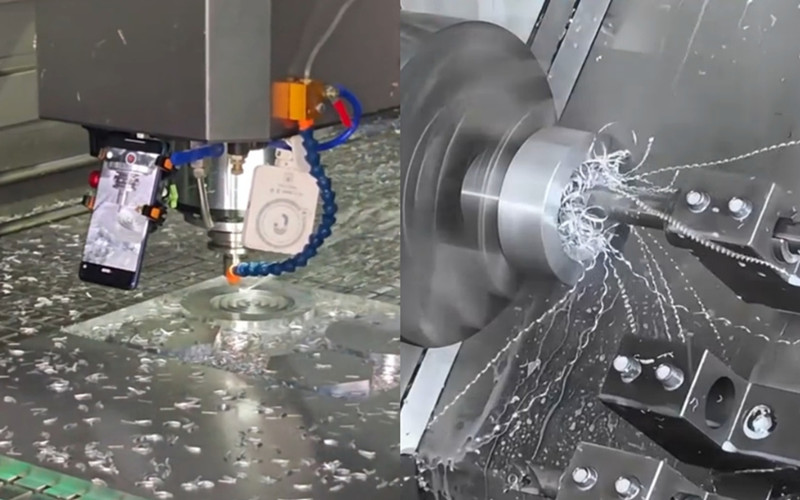
Machinability Comparison
Machinability is one of the most important factors when selecting aluminum for CNC machining.
Machinability Ranking
2011 Aluminum → Excellent (Best)
6262 Aluminum → Excellent
6061 Aluminum → Good
Why the Difference?
2011 and 6262 aluminum contain lead (Pb) and bismuth (Bi)
Reduce friction during cutting
Promote clean chip breaking
Prevent built-up edge on cutting tools
6061 aluminum does not contain free-cutting elements
Chips are more continuous
Higher tendency for tool adhesion
Impact on CNC Machining
These differences directly affect production:
Cutting Speed
→ 2011 allows significantly higher speedsTool Life
→ Longer with 2011 and 6262 due to reduced tool wearSurface Finish
→ 2011 provides the best surface qualityChip Control
→ 2011 and 6262 produce short, controlled chips
→ 6061 tends to produce longer chipsAutomation Efficiency
→ 2011 is ideal for automatic lathes and mass production
Practical Conclusion
2011 aluminum is ideal for high-speed, high-volume machining
6262 aluminum provides a balance between machinability and corrosion resistance
6061 aluminum is suitable for general-purpose machining
Corrosion Resistance Comparison
6061 aluminum offers the best corrosion resistance among the three alloys due to its magnesium-silicon (Mg-Si) composition, which provides excellent stability in atmospheric and industrial environments.
6262 aluminum also performs well in terms of corrosion resistance, although the addition of lead and bismuth slightly reduces its performance compared to 6061.
In contrast, 2011 aluminum has relatively poor corrosion resistance because of its high copper content, which makes it more susceptible to corrosion in humid or aggressive environments.
As a result, 6061 is typically the preferred choice for outdoor or corrosion-sensitive applications.
Application Comparison
6061 Aluminum Applications
Structural components
Marine parts
Aerospace components
Welded structures
General engineering applications
6262 Aluminum Applications
Valve components and fittings
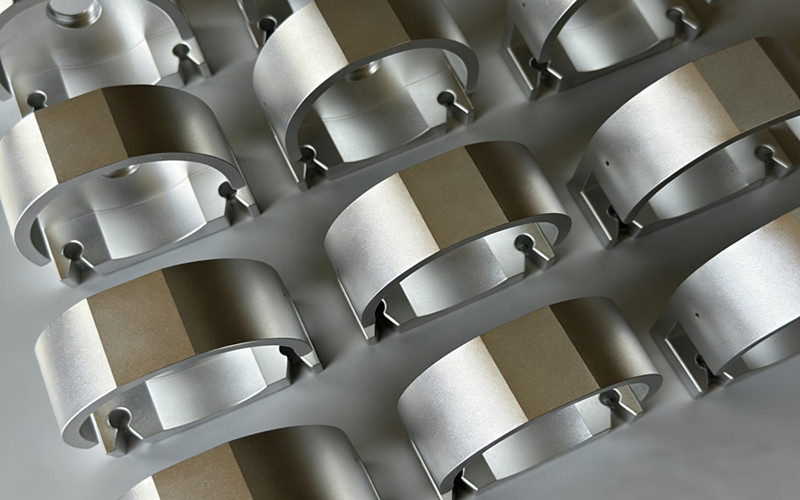
Optical lens housings
Automotive precision parts
CNC machined components
Industrial fittings
2011 Aluminum Applications
Screws and fasteners
High-speed turned parts
Precision machined components
Automatic lathe products
Mass production parts
How to Choose Between 6061, 6262 and 2011 Aluminum
Selecting the right alloy depends on your specific application requirements:
Choose 6061 Aluminum if:
Corrosion resistance is critical
Welding is required
You need a versatile, general-purpose material
Choose 6262 Aluminum if:
You need a balance of machinability and corrosion resistance
You are producing CNC precision components
Surface finish and dimensional stability are important
Choose 2011 Aluminum if:
High-speed machining is required
You are running large-scale or automated production
Maximum machinability and strength are priorities
Corrosion resistance is not a primary concern
Quick Summary
6061 → Versatile and corrosion-resistant
6262 → Balanced machining performance and durability
2011 → Best for high-speed machining and mass production
FAQ
Does 6262 aluminum contain lead?
Yes, 6262 aluminum contains small amounts of lead and bismuth, which are added to improve machinability.
What's the difference between 6061 and 6262 aluminum?
6262 offers better machinability due to the addition of lead and bismuth, while 6061 provides better corrosion resistance and weldability.
What's the difference between 2011 and 6061 aluminum?
2011 aluminum provides superior machinability and higher strength, but has significantly lower corrosion resistance compared to 6061.
What is the equivalent of aluminum 2011?
Common equivalents include:
EN AW-2011
UNS A92011
What is 2011 aluminum?
2011 aluminum is a free-machining aluminum alloy known for its excellent machinability and high strength, widely used in high-speed CNC machining and automatic lathe production.
Does 6262 aluminum have lead added for improved machinability?
Yes, lead and bismuth are intentionally added in small amounts to enhance chip breaking, reduce tool wear, and improve machining efficiency.
Get the Right Aluminum for Your Application
We supply 6061, 6262, and 2011 aluminum bars, rods, and tubes for CNC machining and precision manufacturing.
Tight tolerances
Stable machining performance
Custom sizes and cutting services available
Contact us today to find the best aluminum solution for your machining needs.