2024 T3 T4 T351 aluminum bar AMS4152
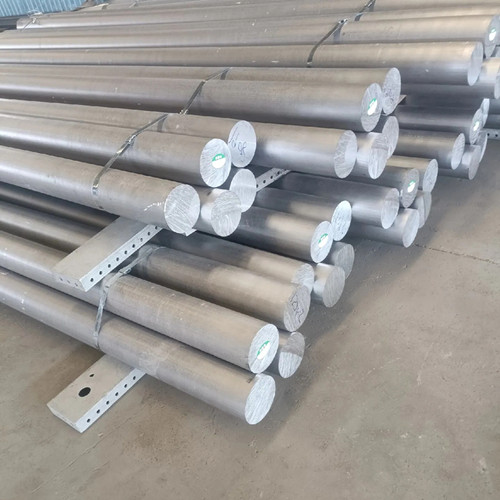
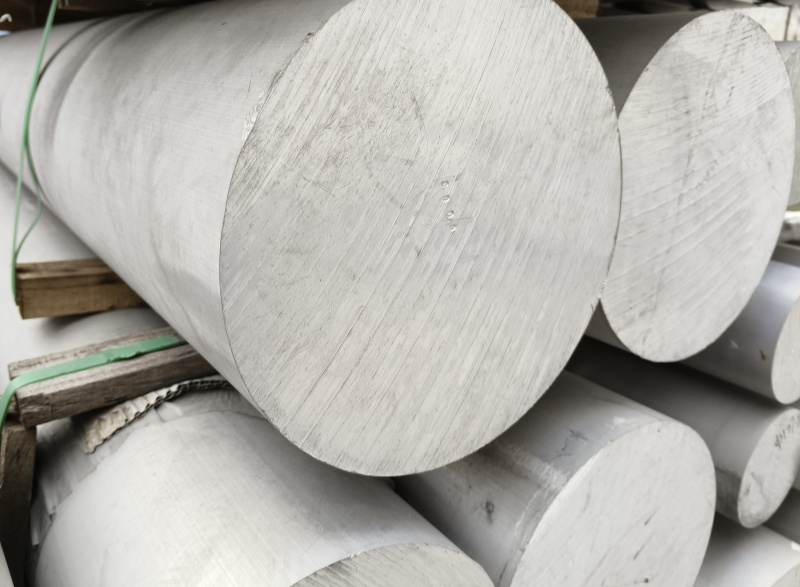
As a representative Al-Cu-Mg series high-strength alloy, 2024 aluminum bar delivers excellent strength and fatigue resistance after heat treatment in tempers such as 2024 T3 aluminum, 2024 T4, and T351, fully compliant with SAE AMS4152N standards. Its well-balanced material properties make it a preferred choice for aerospace and high-performance engineering applications. We supply full-size extruded aluminum bars with complete traceability and stable mechanical properties to meet strict industrial and aerospace requirements.
2024-t3/2024-t4/2024-t351 Aluminum Bar Stock Sizes
EXTRUDED ROUND BAR | Diameter | Length |
2024 T3 T4 T351 | 5/6/7/8/9mm | 2500mm/3000mm |
10/11/12/13/14/15mm | 2500mm/3000mm | |
16/17/18/19/20mm | 2500mm/3000mm | |
21/22/23/24/25mm | 2500mm/3000mm | |
26/27/28/29/30mm | 2500mm/3000mm | |
31/32/33/34/35mm | 2500mm/3000mm | |
36/38/39/40mm | 2500mm/3000mm | |
42/45/46/48/50mm | 2500mm/3000mm | |
52/55/57/58/60mm | 2500mm/3000mm | |
62/65/70/75mm | 2500mm/3000mm | |
80/85mm | 2500mm/3000mm | |
90/95mm | 2500mm/3000mm | |
100/105/110/115mm | 2500mm/3000mm | |
120/125/130/135mm | 2500mm/3000mm | |
140/145/150/155mm | 2500mm/3000mm | |
160165/170/175mm | 2500mm/3000mm | |
180/185mm | 2500mm/3000mm | |
190/200mm | 2500mm/3000mm | |
210/220/230mm | 2500mm/3000mm | |
240/250260mm | 2500mm/3000mm | |
270/280/290mm | 2500mm/3000mm | |
300/310/320/330/340mm | 2500mm/3000mm | |
350/360/370/380/390/400mm | 2500mm | |
410/420/450/460/500mm | 2500mm | |
560mm | 2500mm |
Available shapes: Flats, squares and rounds
Tempers: T351, T3511 & T4, T3
Specifications: ASTM B211, AMS 4120, AMS 4339, AMS-QQ-A-225/6, ASTM B221, AMS 4152, AMS 4164, AMS 4165, AMS-QQ-A-200/3
2024 T3 T4 T351 Aluminum Material Properties
1. Chemical Composition (%)
2024 aluminum alloy uses aluminum as the base, with precisely balanced copper, magnesium, and manganese content that ensures high mechanical performance.
| Element | Si | Fe | Cu | Mn | Mg | Cr | Zn | Ti | Others (each/total) | Al |
|---|---|---|---|---|---|---|---|---|---|---|
| Content (%) | ≤0.50 | ≤0.50 | 3.8–4.9 | 0.3–0.9 | 1.2–1.8 | ≤0.10 | ≤0.25 | ≤0.15 | 0.05/0.15 | Balance |
2.Mechanical Properties
| Temper | Tensile Strength (MPa) | Yield Strength (MPa) | Elongation (%) | Hardness (HBW) | Fatigue Strength (MPa) |
|---|---|---|---|---|---|
| T3 | 420–450 | 270–310 | 6–8 | 120 | ≈140 (10⁷ cycles) |
| T4 | ≥420 | ≥270 | ≥10 | 120 | - |
| T351 | 420–450 | 270–310 | 6–8 | 120 | ≈140 |
Note: T3 involves solution heat treatment and cold working; T4 involves solution treatment and natural aging; T351 involves solution treatment with stress relief stretching (permanent deformation 1.5–3%).
3. Overall Characteristics
Strength advantage: Below 150°C, its strength surpasses 7075 alloy; its strength-to-weight ratio is nearly 50% that of steel.
Machinability: Excellent in hot forming and after quenching; supports precision milling and drilling (recommended cutting speed 200–300 m/min).
Limitation: Moderate corrosion resistance—requires cladding or surface treatment for enhanced protection.
Aluminum 2024 T3 T4 T351 Bar Applications:
aircraft structural components
truck wheels
medical instruments
ascrew machine products
2024 T3 vs 2024 T4 vs 2024 T351
| Property | 2024 T3 | 2024 T4 | 2024 T351 |
|---|---|---|---|
| Heat Treatment | Solution heat-treated + cold worked + naturally aged | Solution heat-treated + naturally aged | Solution heat-treated + stress relieved (stretch) + naturally aged |
| Strength Level | High | Medium | High |
| Yield Strength | Higher than T4 | Lower | Similar to T3 |
| Fatigue Resistance | Excellent | Good | Excellent |
| Formability | Fair (lower due to cold work) | Best formability | Fair |
| Residual Stress | Medium | Low | Lowest (stress relieved) |
| Dimensional Stability | Good | Good | Best stability |
| Typical Use | Structural, fatigue-critical parts | Parts requiring forming or bending | Precision structural aerospace components |
| Key Advantage | High fatigue performance | Best workability | Balanced strength + stability |