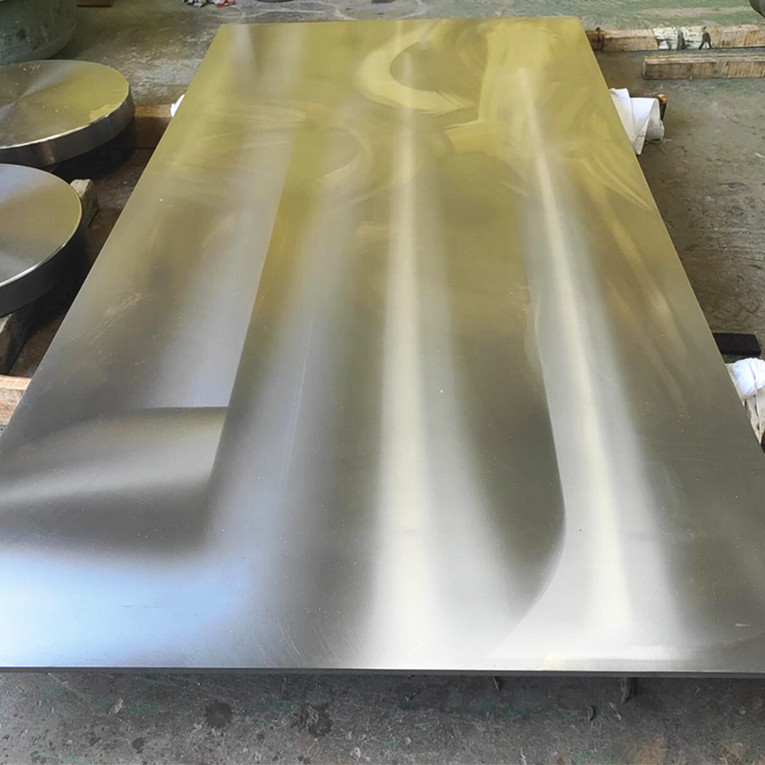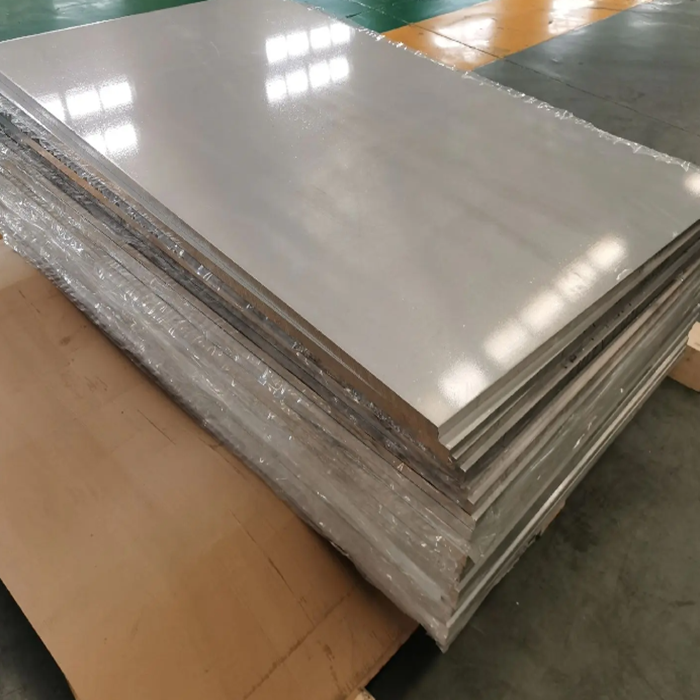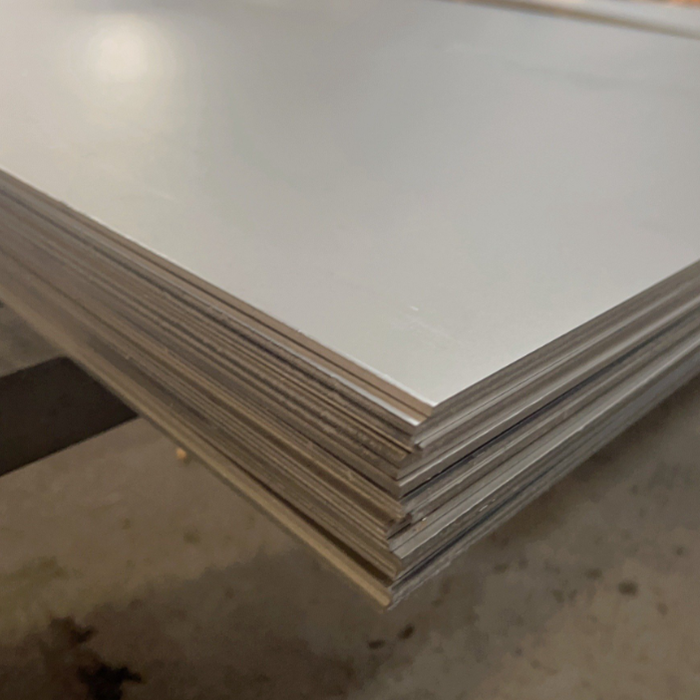
Hot and Cold Rolled Titanium Metal Plate
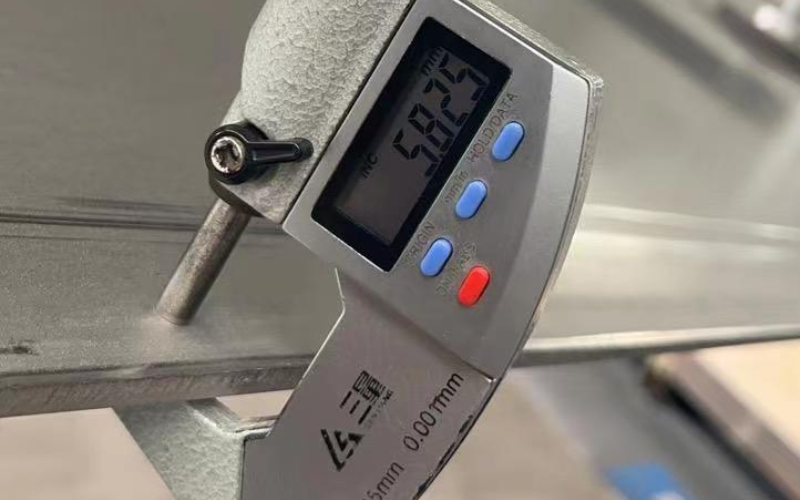
Shenzhen Chinalcometal supply hot-rolled and cold-rolled titanium sheets & plates in full commercial grades: Gr1, Gr2, Gr3, Gr7, Gr9, Gr12, Gr16, Gr17, meeting ASTM B265 standards. Available in hot-rolled (thick plate) and cold-rolled (precision thin sheet) forms, with full-size sheets and custom cutting to your exact dimensions. Our titanium plates feature high strength, lightweight, superior corrosion resistance, and excellent formability, ideal for aerospace, chemical processing, marine, medical, and industrial applications. Reliable quality, fast delivery, and flexible customization for global buyers.
Titanium Plate Chemical Compositions(Gr1/Gr2/Gr3/Gr7/Gr9/Gr12/Gr16/Gr17)
| Grade | Chinese Grade | N | C | H | Fe | O | Al | Pd | Mo | Ni |
|---|---|---|---|---|---|---|---|---|---|---|
| Gr1 | TA1 | 0.03 | 0.08 | 0.015 | 0.20 | 0.18 | / | / | / | / |
| Gr2 | TA2 | 0.03 | 0.08 | 0.015 | 0.30 | 0.25 | / | / | / | / |
| Gr3 | TA3 | 0.05 | 0.08 | 0.015 | 0.30 | 0.35 | / | / | / | / |
| Gr7 | TA9 | 0.03 | 0.08 | 0.015 | 0.30 | 0.25 | / | 0.12–0.25 | / | / |
| Gr9 | TA18 | 0.05 | 0.08 | 0.015 | 0.25 | 0.15 | 2.5–3.5 | 2.0–3.0 | / | / |
| Gr12 | TA10 | 0.03 | 0.08 | 0.015 | 0.30 | 0.25 | / | / | 0.2–0.4 | 0.6–0.9 |
| Gr16 | TA8 | 0.03 | 0.08 | 0.015 | 0.30 | 0.25 | / | 0.04–0.08 | / | / |
| Gr17 | TA8-1 | 0.03 | 0.08 | 0.015 | 0.20 | 0.18 | / | 0.04–0.08 | / | / |
Titanium Plate Mechanical Properties(Gr1/Gr2/Gr3/Gr7/Gr9/Gr12/Gr16/Gr17)
| Grade | Chinese Grade | Description | Thickness (mm) | Tensile Strength (MPa) | Yield Strength (MPa) | Elongation (%) |
|---|---|---|---|---|---|---|
| Gr1 | TA1 | CP1 Titanium (Low Oxygen) | 0.3–25.0 | ≥240 | 140–310 | ≥30 |
| Gr2 | TA2 | CP2 Titanium (Standard Oxygen) | 0.3–25.0 | ≥400 | 275–450 | ≥25 |
| Gr3 | TA3 | CP3 Titanium (Standard Oxygen) | 0.3–25.0 | ≥500 | 380–550 | ≥20 |
| Gr7 | TA9 | Titanium + 0.12–0.25% Pd | 0.8–10.0 | ≥400 | 275–450 | ≥20 |
| Gr9 | TA18 | Ti-3Al-2.5V | 0.5–2.0 | 590–735 | / | ≥25 |
| >2.0–4.0 | 590–735 | / | ≥20 | |||
| >4.0–10.0 | 590–735 | / | ≥15 | |||
| Gr12 | TA10 | Ti-0.3Mo-0.8Ni | 0.8–10.0 | ≥485 | ≥345 | ≥18 |
| 0.8–10.0 | ≥345 | ≥275 | ≥25 | |||
| Gr16 | TA8 | Titanium + Pd (Standard) | 0.8–10.0 | ≥400 | 275–450 | ≥20 |
| Gr17 | TA8-1 | Titanium + Pd (Low Oxygen) | 0.8–10.0 | ≥240 | 140–310 | ≥24 |
Titanium Plate Dimensions / Standards
| Grade | Chinese Grade (TA) | Manufacture Method | Dimensions (mm) | Standards |
|---|---|---|---|---|
| Gr1 / Gr2 / Gr3 / Gr4 / Gr5 / Gr7 / Gr7H Gr9 / Gr12 / Gr16 / Gr17 | TA1 / TA2 / TA3 / TA5 / TA6 / TA7 TA9 / TA10 / TA8 / TA8-1 | Hot Rolled | Thickness 4.0–60 Width 400–1000 Length 1000–3000 | GB/T 3621-2007GB/T 14845-2007ASTM B265ASTM F67ASTM F136 |
| Cold Rolled | Thickness 0.1-4 Width 400–3000 Length 1000–4000 | ASTM / ASME / JIS / AMS |
Manufacturing Processes
Hot Rolled Titanium Plate:
1. Raw material: VAR ingot → forging and blooming
2. Heating: heated to 850–900°C and soaked
3. Rolling: high-pressure descaling → rough rolling → finish rolling to target thickness (4–20 mm)
4. Finishing: hot straightening → cooling → stress-relief annealing → pickling → inspection
Cold-Rolled Titanium Plate:
1. Raw material: hot-rolled coil → trimming, grinding and pickling
2. Intermediate treatment: repeated cycles of cold rolling → annealing → pickling to reach final thickness (0.1–3 mm)
3. Final rolling: multi-pass rolling at room temperature
4. Finishing: degreasing → final annealing → flattening and straightening → surface treatment → inspection
Titanium Plates Advantages and Applications
Gr1
Key Advantages:
Softest titanium grade with the highest ductility and formability. Offers exceptional corrosion resistance, especially in mild and marine environments.
Applications:
Widely used in chemical processing equipment, seawater applications, desalination systems, and medical fields where high formability and corrosion resistance are required rather than strength.
Gr2
Key Advantages:
Best overall balance of strength, corrosion resistance, and cost. It is the most commonly used commercially pure titanium grade.
Applications:
Extensively applied in heat exchangers, pressure vessels, pipelines, and general industrial equipment. It is the default choice for most industrial environments.
Gr3
Key Advantages:
Higher strength than Gr2 while maintaining good corrosion resistance and weldability.
Applications:
Suitable for structural components, industrial equipment, and applications where higher strength is required without sacrificing corrosion performance.
Gr7 (Ti-Pd)
Key Advantages:
Palladium (Pd) addition significantly improves corrosion resistance in reducing acid environments such as hydrochloric and sulfuric acid.
Applications:
Primarily used in highly corrosive chemical environments, including reactors, piping systems, and acid-handling equipment.
Gr9 (Ti-3Al-2.5V)
Key Advantages:
Excellent strength-to-weight ratio, offering much higher strength than CP titanium while maintaining good formability.
Applications:
Commonly used in aerospace tubing, high-performance bicycles, automotive components, and medical devices requiring strength and lightweight properties.
Gr12 (Ti-Mo-Ni)
Key Advantages:
Superior corrosion resistance in high-temperature and crevice corrosion environments, with excellent stability.
Applications:
Ideal for power plants, flue gas desulfurization (FGD) systems, heat exchangers, and high-temperature corrosive applications.
Gr16
Key Advantages:
A Pd-enhanced grade based on Gr2, providing improved corrosion resistance at a lower cost compared to Gr7.
Applications:
Used in chemical processing equipment where enhanced corrosion resistance is needed but cost efficiency is also important.
Gr17
Key Advantages:
Similar to Gr16 but with lower oxygen content, resulting in better ductility, toughness, and formability.
Applications:
Suitable for advanced chemical equipment and components requiring both corrosion resistance and improved fabrication performance.
Quick Selection Guide
Maximum corrosion resistance & formability → Gr1
General-purpose, most cost-effective → Gr2
Higher strength requirement → Gr3
Strong acidic environments → Gr7 / Gr16 / Gr17
High temperature or crevice corrosion → Gr12
High strength + lightweight → Gr9