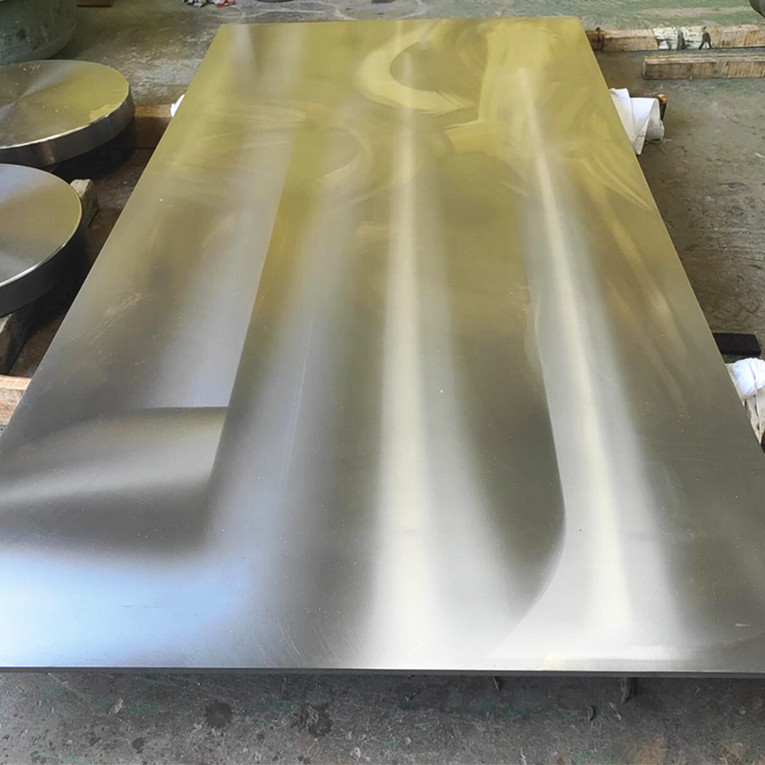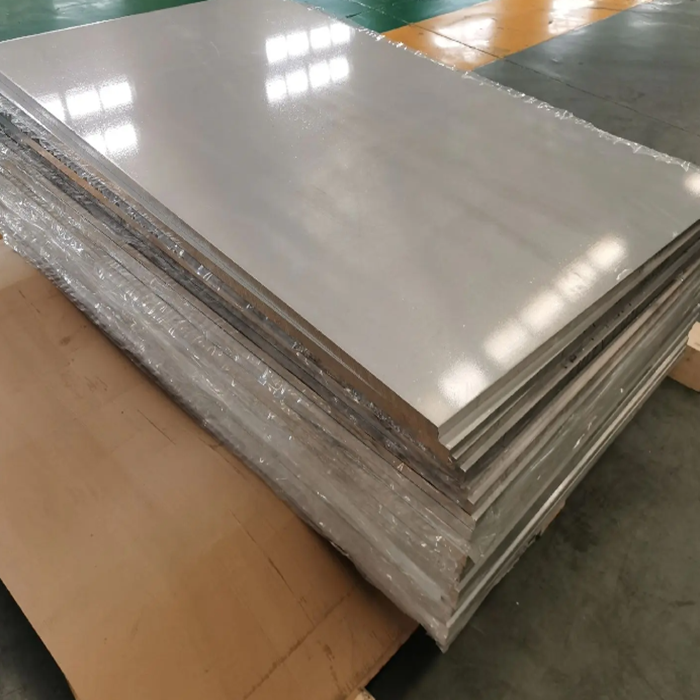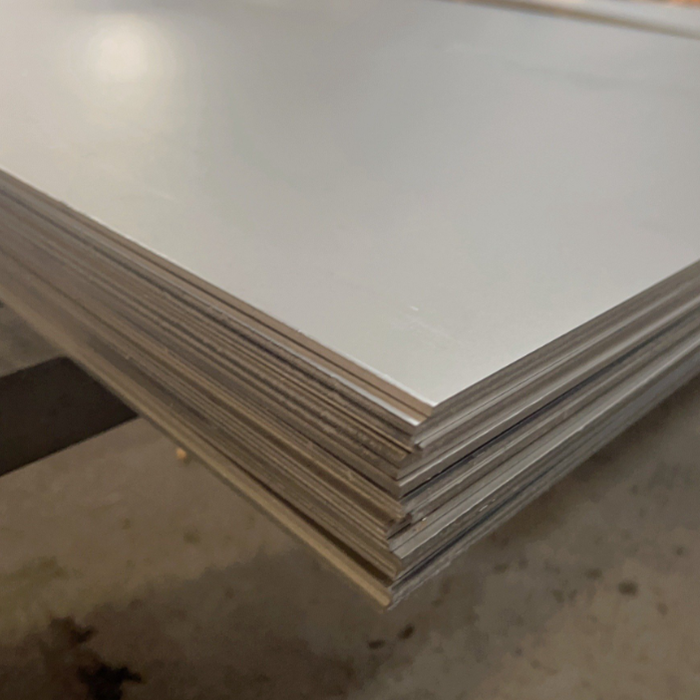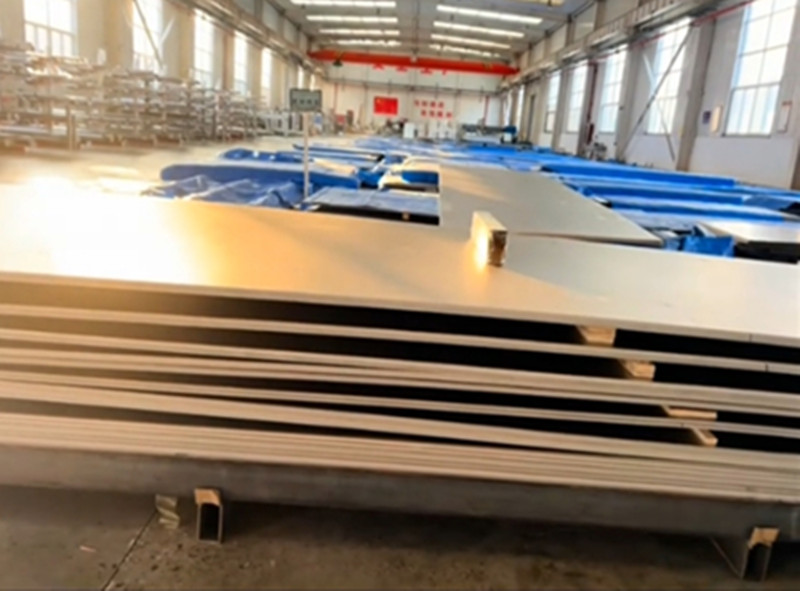
Titanium Grade 1 (TA1) Plate | ASTM B265
Titanium Grade 1 (TA1) is the purest and most ductile grade in the commercially pure (CP) titanium range. Grade 1 carries the tightest controls on oxygen and iron content, translating directly into easier cold forming, consistent weld quality, and long-term resistance to seawater, chlorine environments, and a wide range of industrial acids. Titanium Grade 1 plate and sheet are a proven material choice across aerospace, marine, chemical processing, medical, and renewable energy applications — wherever fabricators and engineers need a titanium grade that combines process flexibility with dependable service performance.
Titanium Plate Grade 1 (TA1) Sizes
Thickness: 6–100mm or more
Width: 1000mm, 1220mm, 1500mm, 2000mm
Length: 2000mm, 2440mm, 3000mm, 4000mm
Chemical Composition of Titanium Grade 1 (TA1)
| Element | Maximum Content (%) |
|---|---|
| Titanium (Ti) | ~99.5 (minimum) |
| Oxygen (O) | 0.18 |
| Nitrogen (N) | 0.03 |
| Carbon (C) | 0.08 |
| Hydrogen (H) | 0.015 |
| Iron (Fe) | 0.2 |
Mechanical Properties of Titanium Grade 1 (TA1)
| Property | Value |
|---|---|
| Tensile Strength | 240 MPa (minimum) |
| Yield Strength | 170 MPa (minimum) |
| Elongation | 24% (minimum) |
| Density | 4.51 g/cm³ |
| Melting Point | ~1660°C |
Why Choose Titanium Grade 1 Plate?
Titanium Grade 1 plates are ideal for applications requiring:
Superior corrosion resistance.
High ductility for forming and fabrication.
Lightweight material with good mechanical properties.
Long-lasting performance in harsh environments.
Titanium Grade 1 vs. Grade 2: Which One Fits Your Application?
Grade 1 and Grade 2 are the two most widely stocked CP titanium grades, and the choice between them almost always comes down to a trade-off between formability and strength.
| Factor | Grade 1 (TA1) | Grade 2 (TA2) |
|---|---|---|
| Yield Strength | 170 MPa (min) | 275 MPa (min) |
| Elongation | 24% (min) | 20% (min) |
| Oxygen Content | ≤0.18% | ≤0.25% |
| Cold Forming | Best in CP range | Good, less forgiving than Grade 1 |
| Weldability | Excellent, most forgiving | Excellent |
| Typical Use Case | Deep-draw forming, thin sheet fabrication, applications prioritizing ductility over strength | General-purpose CP titanium, the default choice for most industrial structural applications |
In short: choose Grade 1 when the part requires extensive cold forming or bending and the lower strength is acceptable for the design load. Choose Grade 2 when you need meaningfully higher strength without moving to an alloyed grade — it's the more common default across chemical processing and marine structural components. If your application involves any structural loading beyond light-duty brackets or housings, Grade 2 is worth checking first.
Typical Applications of Titanium Grade 1 Plate
Aerospace
Manufacturing heat shields, airframes, and other lightweight, corrosion-resistant components.
Marine Engineering
Used for shipbuilding, desalination systems, and offshore structures due to its resistance to seawater corrosion.
Chemical Processing
Fabrication of heat exchangers, reaction vessels, and piping systems in industries dealing with aggressive chemicals.
Medical Field
Used in surgical instruments and non-load-bearing medical device components, where formability and corrosion resistance take priority over strength.
Renewable Energy
Incorporated in solar panels, wind turbines, and geothermal systems due to its resistance to harsh environmental conditions.
Architecture
Used in decorative and structural components, benefiting from its corrosion resistance and unique aesthetic appearance.