Titanium Grades: International Designations, Chemical Composition and Mechanical Properties
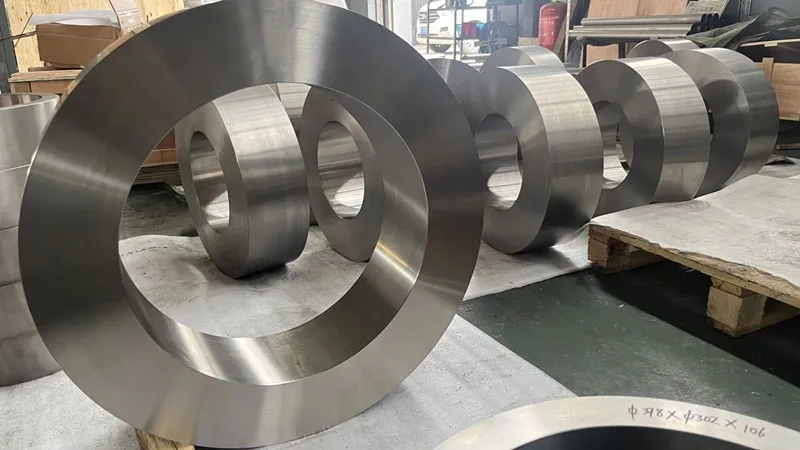
Titanium and titanium alloys are widely used in industries ranging from food processing and chemical equipment to aerospace, marine engineering and medical applications. Their corrosion resistance, strength, weight and other properties vary significantly depending on the grade and alloy composition. Understanding titanium grade designations and the corresponding chemical and physical properties is essential for selecting the right material, evaluating its suitability for specific working conditions, and ensuring compatibility with applicable standards.
1. Chinese and International Titanium Grades
Titanium grade designations vary by country and standard. TA- and TC-series grades are used in Chinese standards, while the US uses the Grade system (such as Grade 1, Grade 2 and Grade 5), and other countries have their own designations. These grades are often compared with international equivalents to help buyers identify suitable materials for different markets, but equivalence should be confirmed against the relevant chemical composition, mechanical properties and product standards.
Chinese grade | Nominal composition | US grade | Russian grade | Japanese grade |
|---|---|---|---|---|
TA1 | Industrially pure titanium | GR1 | BT1-00 | TP270 |
TA2 | Industrially pure titanium | GR2 | BT1-0 | TP340 |
TA3 | Industrially pure titanium | GR3 | — | TP450 |
TA4 | Industrially pure titanium | GR4 | — | TP550 |
TA8 | Ti-0.05Pd | GR16 | — | — |
TA8-1 | Ti-0.05Pd (plate) | GR17 | — | — |
TA9 | Ti-0.2Pd | GR7 | — | TP340Pb |
TA9-1 | Ti-0.02Pd (plate) | GR11 | — | — |
TA10 | Ti-0.3Mo-0.8Ni | GR12 | — | — |
TA17 | Ti-4Al-2V | — | ПТ-3В | — |
TA18 | Ti-3Al-2.5V | GR9 | ОТ4-1В | TAP3250 |
TB5 | Ti-15V-3Al-3Cr-3Sn | Ti-15333 | — | — |
TC4 | Ti-6Al-4V | GR5 | BT6 | TAP6400 |
TC1 | Ti-2Al-1.5Mn | — | ОТ4-1 | — |
TC2 | Ti-4Al-1.5Mn | — | ОТ4 | — |
TC3 | Ti-5Al-4V | — | BT6C | — |
TC10 | Ti-6Al-6V-2Sn-0.5Cu-0.5Fe | Ti-662 | — | — |
TC24 | Ti-4.5Al-3V-2Mo-2Fe | — | — | SP-700 |
TA7 | Ti-5Al-2.5Sn | GR6 | BT5-1 | TAP5250 |
TA11 | Ti-8Al-1Mo-1V | Ti-811 | — | — |
TA15 | Ti-6.5Al-1Mo-1V-2Zr | — | BT-20 | — |
2. Chemical Composition of Titanium Grades
Chemical composition is a key factor in identifying titanium grades. Commercially pure titanium grades are distinguished mainly by their impurity limits, while alloy grades contain controlled additions of elements such as aluminum, vanadium, molybdenum, tin, zirconium, palladium and manganese.
The following tables separate the main alloying elements from impurity limits. All composition values are percentages by mass (%). For rows identified as titanium-based alloys, titanium is the balance of the composition.
2.1 Chemical Composition of Industrially Pure Titanium and Related TA Grades
Table 2A. Major Alloying Elements
Grade | Nominal composition | Al (%) | Sn (%) | Mo (%) | Pd (%) | Ni (%) | Si (%) | B (%) |
|---|---|---|---|---|---|---|---|---|
TA1ELI | Industrially pure titanium | — | — | — | — | — | — | — |
TA1 | Industrially pure titanium | — | — | — | — | — | — | — |
TA1-1 | — | ≤0.20 | — | — | — | — | ≤0.08 | — |
TA2ELI | Industrially pure titanium | — | — | — | — | — | — | — |
TA2 | Industrially pure titanium | — | — | — | — | — | — | — |
TA3ELI | Industrially pure titanium | — | — | — | — | — | — | — |
TA3 | Industrially pure titanium | — | — | — | — | — | — | — |
TA4ELI | Industrially pure titanium | — | — | — | — | — | — | — |
TA4 | Industrially pure titanium | — | — | — | — | — | — | — |
TA5 | Ti-4Al-0.005B | 3.3–4.7 | — | — | — | — | — | 0.005 |
TA6 | Ti-5Al | 4.0–5.5 | — | — | — | — | — | — |
TA7 | Ti-5Al-2.5Sn | 4.0–6.0 | 2.0–3.0 | — | — | — | — | — |
TA7ELI | Ti-5Al-2.5SnELI | 4.50–5.75 | 2.0–3.0 | — | — | — | — | — |
TA8 | Ti-0.05Pd | — | — | — | 0.04–0.08 | — | — | — |
TA8-1 | Ti-0.05Pd | — | — | — | 0.04–0.08 | — | — | — |
TA9 | Ti-0.2Pd | — | — | — | 0.12–0.25 | — | — | — |
TA9-1 | Ti-0.2Pd | — | — | — | 0.12–0.25 | — | — | — |
TA10 | Ti-0.3Mo-0.8Ni | — | — | 0.2–0.4 | — | 0.6–0.9 | — | — |
Table 2B. Impurity Limits
Grade | Fe (%) | C (%) | N (%) | H (%) | O (%) | Other elements, each ≤ (%) | Other elements, total ≤ (%) |
|---|---|---|---|---|---|---|---|
TA1ELI | 0.10 | 0.03 | 0.012 | 0.008 | 0.10 | 0.05 | 0.20 |
TA1 | 0.20 | 0.03 | 0.012 | 0.015 | 0.18 | 0.10 | 0.40 |
TA1-1 | 0.15 | 0.05 | 0.03 | 0.003 | 0.12 | — | 0.10 |
TA2ELI | 0.20 | 0.05 | 0.03 | 0.008 | 0.10 | 0.05 | 0.20 |
TA2 | 0.30 | 0.08 | 0.03 | 0.015 | 0.25 | 0.10 | 0.40 |
TA3ELI | 0.25 | 0.05 | 0.03 | 0.008 | 0.18 | 0.05 | 0.20 |
TA3 | 0.30 | 0.08 | 0.05 | 0.015 | 0.35 | 0.10 | 0.40 |
TA4ELI | 0.30 | 0.05 | 0.05 | 0.008 | 0.25 | 0.05 | 0.20 |
TA4 | 0.50 | 0.08 | 0.05 | 0.015 | 0.40 | 0.10 | 0.40 |
TA5 | 0.30 | 0.08 | 0.04 | 0.015 | 0.15 | 0.10 | 0.40 |
TA6 | 0.30 | 0.08 | 0.05 | 0.015 | 0.15 | 0.10 | 0.40 |
TA7 | 0.50 | 0.08 | 0.05 | 0.015 | 0.20 | 0.10 | 0.40 |
TA7ELI | 0.25 | 0.05 | 0.035 | 0.0125 | 0.12 | 0.05 | 0.30 |
TA8 | 0.30 | 0.08 | 0.03 | 0.015 | 0.25 | 0.10 | 0.40 |
TA8-1 | 0.20 | 0.08 | 0.03 | 0.015 | 0.18 | 0.10 | 0.40 |
TA9 | 0.25 | 0.08 | 0.03 | 0.015 | 0.20 | 0.10 | 0.40 |
TA9-1 | 0.20 | 0.08 | 0.03 | 0.015 | 0.18 | 0.10 | 0.40 |
TA10 | 0.30 | 0.08 | 0.03 | 0.015 | 0.25 | 0.10 | 0.40 |
2.2 TA11–TA18 Titanium Alloys Chemical Composition
Table 3A. Major Alloying Elements
Grade | Nominal composition | Al (%) | Sn (%) | Mo (%) | V (%) | Mn (%) | Zr (%) | Si (%) | Nd (%) |
|---|---|---|---|---|---|---|---|---|---|
TA11 | Ti-8Al-1Mo-1V | 7.35–8.35 | — | 0.75–1.25 | 0.75–1.25 | — | — | — | — |
TA12 | Ti-5.5Al-4Sn-2Zr-1Mo-1Nd-0.25Si | 4.8–6.0 | 3.7–4.7 | 0.75–1.25 | — | — | 1.5–2.5 | 0.2–0.35 | 0.6–1.2 |
TA12-1 | Ti-5.0Al-4Sn-2Zr-1.5Mo-1Nd-0.25Si | 4.5–5.5 | 3.7–4.7 | 1.0–2.0 | — | — | 1.5–2.5 | 0.2–0.35 | 0.6–1.2 |
TA13 | Ti-2.5Cu | — | — | — | — | — | — | — | — |
TA14 | Ti-2.3Al-11Sn-5Zr-1Mo-0.2Si | 2.0–2.5 | 10.5–11.5 | 0.8–1.2 | — | — | 4.0–6.0 | 0.10–0.50 | — |
TA15 | Ti-6.5Al-1Mo-1V-2Zr | 5.5–7.1 | — | 0.5–2.0 | 0.8–2.5 | — | 1.5–2.5 | ≤0.15 | — |
TA15-1 | Ti-2.5Al-1Mo-1V-1.5Zr | 2.0–3.0 | — | 0.5–1.5 | 0.5–1.5 | — | 1.0–2.0 | ≤0.10 | — |
TA15-2 | Ti-4Al-1Mo-1V-1.5Zr | 3.5–4.5 | — | 0.5–1.5 | 0.5–1.5 | — | 1.0–2.0 | ≤0.10 | — |
TA16 | Ti-2Al-2.5Zr | 1.8–2.5 | — | — | — | — | 2.0–3.0 | ≤0.12 | — |
TA17 | Ti-4Al-2V | 3.5–4.5 | — | — | 1.5–3.0 | — | — | ≤0.15 | — |
TA18 | Ti-3Al-2.5V | 2.5–3.5 | — | — | 1.5–3.0 | — | — | — | — |
Table 3B. Impurity Limits
Grade | Fe (%) | C (%) | N (%) | H (%) | O (%) | Other elements, each ≤ (%) | Other elements, total ≤ (%) |
|---|---|---|---|---|---|---|---|
TA11 | 0.30 | 0.08 | 0.05 | 0.015 | 0.12 | 0.10 | 0.40 |
TA12 | 0.25 | 0.08 | 0.05 | 0.0125 | 0.15 | 0.10 | 0.40 |
TA12-1 | 0.25 | 0.08 | 0.04 | 0.0125 | 0.15 | 0.10 | 0.30 |
TA13 | 0.20 | 0.08 | 0.05 | 0.010 | 0.20 | 0.10 | 0.30 |
TA14 | 0.20 | 0.08 | 0.05 | 0.0125 | 0.20 | 0.10 | 0.30 |
TA15 | 0.25 | 0.08 | 0.05 | 0.015 | 0.15 | 0.10 | 0.30 |
TA15-1 | 0.15 | 0.05 | 0.04 | 0.003 | 0.12 | 0.10 | 0.30 |
TA15-2 | 0.15 | 0.05 | 0.04 | 0.003 | 0.12 | 0.10 | 0.30 |
TA16 | 0.15 | 0.05 | 0.04 | 0.006 | 0.15 | 0.10 | 0.30 |
TA17 | 0.25 | 0.08 | 0.05 | 0.015 | 0.15 | 0.10 | 0.30 |
TA18 | 0.25 | 0.05 | 0.02 | 0.015 | 0.12 | 0.10 | 0.40 |
The major alloying elements and impurity limits should be read together. The first table identifies the principal alloy additions, while the second records the listed limits for iron, carbon, nitrogen, hydrogen, oxygen and other elements. Actual acceptance limits should always follow the applicable specification.
2.3 TC Series Titanium Alloys Chemical Composition
Table 4A. Major Alloying Elements
Grade | Nominal composition | Al (%) | Sn (%) | Mo (%) | V (%) | Cr (%) | Fe (%) | Mn (%) | Cu (%) | Si (%) |
|---|---|---|---|---|---|---|---|---|---|---|
TC1 | Ti-2Al-1.5Mn | 1.0–2.5 | — | — | — | — | — | 0.7–2.0 | — | — |
TC2 | Ti-4Al-1.5Mn | 3.5–5.0 | — | — | — | — | — | 0.8–2.0 | — | — |
TC3 | Ti-5Al-4V | 4.5–6.0 | — | — | 3.5–4.5 | — | — | — | — | — |
TC4 | Ti-6Al-4V | 5.5–6.8 | — | — | 3.5–4.5 | — | — | — | — | — |
TC4ELI | Ti-6Al-4VELI | 5.5–6.5 | — | — | 3.5–4.5 | — | — | — | — | — |
TC6 | Ti-6Al-1.5Cr-2.5Mo-0.5Fe-0.3Si | 5.5–7.0 | — | 2.0–3.0 | — | 0.8–2.3 | 0.2–0.7 | — | — | 0.15–0.40 |
TC8 | Ti-6.5Al-3.5Mo-0.25Si | 5.8–6.8 | — | 2.8–3.8 | — | — | — | — | — | 0.2–0.35 |
TC9 | Ti-6.5Al-3.5Mo-2.5Sn-0.3Si | 5.8–6.8 | 1.8–2.8 | 2.8–3.8 | — | — | — | — | — | 0.2–0.4 |
TC10 | Ti-6Al-6V-2Sn-0.5Cu-0.5Fe | 5.5–6.5 | 1.5–2.5 | — | 5.5–6.5 | — | 0.35–1.0 | — | 0.35–1.0 | — |
TC11 | Ti-6.5Al-3.5Mo-1.5Zr-0.3Si | 5.8–7.0 | — | 2.8–3.8 | — | — | — | — | — | 0.2–0.35 |
Table 4B. Impurity Limits
Grade | Fe (%) | C (%) | N (%) | H (%) | O (%) | Other elements, each ≤ (%) | Other elements, total ≤ (%) |
|---|---|---|---|---|---|---|---|
TC1 | 0.30 | 0.08 | 0.05 | 0.012 | 0.15 | 0.10 | 0.40 |
TC2 | 0.30 | 0.08 | 0.05 | 0.012 | 0.15 | 0.10 | 0.40 |
TC3 | 0.30 | 0.08 | 0.05 | 0.015 | 0.15 | 0.10 | 0.40 |
TC4 | 0.30 | 0.08 | 0.05 | 0.015 | 0.20 | 0.10 | 0.40 |
TC4ELI | 0.25 | 0.08 | 0.03 | 0.0125 | 0.13 | 0.10 | 0.30 |
TC6 | — | 0.08 | 0.05 | 0.015 | 0.18 | 0.10 | 0.40 |
TC8 | 0.40 | 0.08 | 0.05 | 0.015 | 0.15 | 0.10 | 0.40 |
TC9 | 0.40 | 0.08 | 0.05 | 0.015 | 0.15 | 0.10 | 0.40 |
TC10 | — | 0.08 | 0.04 | 0.015 | 0.20 | 0.10 | 0.40 |
TC11 | 0.25 | 0.08 | 0.05 | 0.012 | 0.15 | 0.10 | 0.40 |
3. Mechanical Properties of Titanium and Titanium Alloys
Chemical composition identifies the alloy, but mechanical properties help determine whether a grade meets the strength and ductility requirements of a particular component. Tensile strength indicates the maximum tensile stress reached during testing, yield strength indicates the stress associated with the specified permanent-deformation limit, and elongation and reduction of area describe aspects of ductility.
3.1 Mechanical Properties of TA- and TC-series grades
Grade | Tensile strength, Rm (MPa) | Yield strength, Rp0.2 (MPa) | Elongation, A (%) | Reduction of area, Z (%) |
|---|---|---|---|---|
TA1 | ≥240 | ≥140 | ≥24 | ≥30 |
TA2 | ≥400 | ≥275 | ≥20 | ≥30 |
TA3 | ≥500 | ≥380 | ≥18 | ≥30 |
TA4 | ≥580 | ≥485 | ≥15 | ≥25 |
TA5 | ≥685 | ≥585 | ≥15 | ≥40 |
TA6 | ≥685 | ≥585 | ≥10 | ≥27 |
TA7 | ≥785 | ≥680 | ≥10 | ≥25 |
TA9 | ≥370 | ≥250 | ≥20 | ≥25 |
TA10 | ≥485 | ≥345 | ≥18 | ≥25 |
TC1 | ≥585 | ≥460 | ≥15 | ≥30 |
TC2 | ≥685 | ≥560 | ≥12 | ≥30 |
TC3 | ≥800 | ≥700 | ≥10 | ≥25 |
TC4 | ≥895 | ≥825 | ≥10 | ≥25 |
TC4ELI | ≥830 | ≥760 | ≥10 | ≥15 |
TC11 | ≥1030 | ≥900 | ≥10 | ≥30 |
These values provide a reference for comparing the listed grades by tensile strength, yield strength and ductility. For material selection, the required properties must match the product form and condition being purchased, since a value listed for one form or specification may not apply to another.
3.2 Mechanical Properties of US Titanium Grades
Alloy specification | Condition | Tensile strength (ksi) | Tensile strength (MPa) | Yield strength (ksi) | Yield strength (MPa) | Elongation (%) | Reduction of area (%) |
|---|---|---|---|---|---|---|---|
Grade 1 | Annealed | 35 | 240 | 25 | 170 | 24 | 30 |
Grade 2 | Annealed | 50 | 345 | 40 | 275 | 20 | 30 |
Grade 3 | Annealed | 65 | 450 | 55 | 380 | 18 | 30 |
Grade 4 | Annealed | 80 | 550 | 70 | 483 | 15 | 25 |
Grade 5 | Annealed | 130 | 895 | 120 | 828 | 10 | 25 |
Ti-6Al-4VELI | Annealed | 125 | 860 | 115 | 795 | 10 | 25 |
Grade 6 | Annealed | 120 | 828 | 115 | 795 | 15 | 25 |
Grade 7 | Annealed | 50 | 345 | 40 | 275 | 20 | 30 |
Grade 9 | Annealed | 90 | 620 | 70 | 483 | 15 | 25 |
Grade 11 | Annealed | 35 | 240 | 25 | 170 | 24 | 30 |
Grade 12 | Annealed | 70 | 483 | 50 | 345 | 18 | 25 |
The table gives a convenient overview of the listed annealed grades, but it should not be used as a substitute for the governing specification. Before ordering material, confirm the required grade, product form, heat-treatment condition, mechanical test requirements and certification documents.
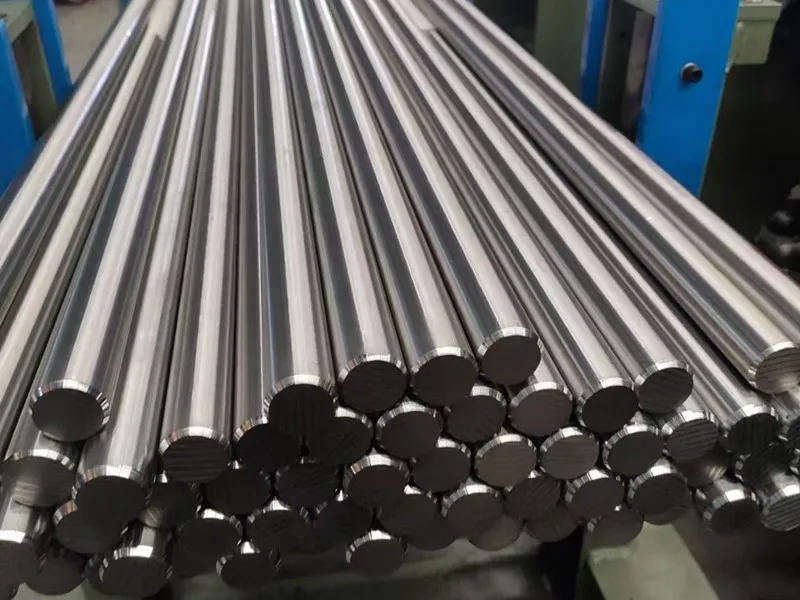
4,Titanium Product Forms and Applications
Titanium and titanium alloys are supplied in various product forms to meet the requirements of different industries and manufacturing processes. The choice of product form depends on the component design, processing method and required material properties.
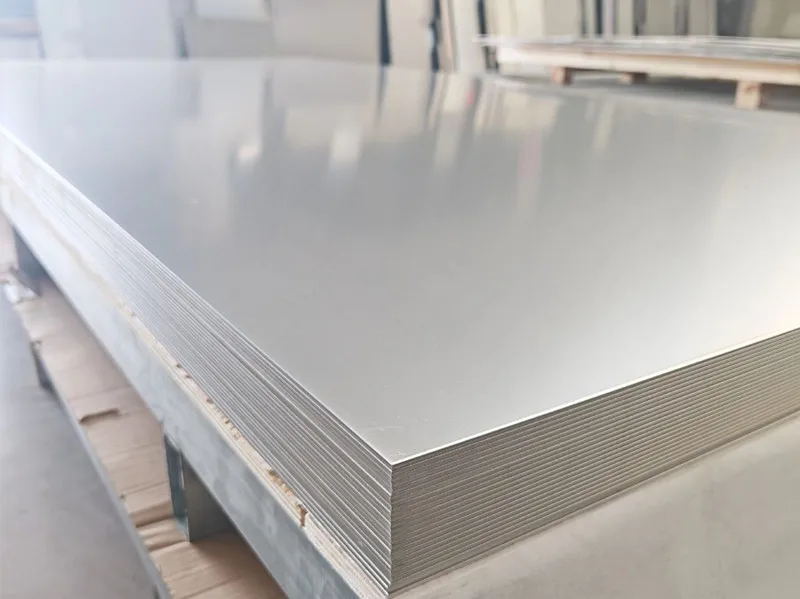
[Titanium Plates] — used in chemical processing equipment, marine structures, pressure vessels and industrial components.
[Titanium Bars] — commonly used for CNC-machined parts, shafts, fasteners and precision components.
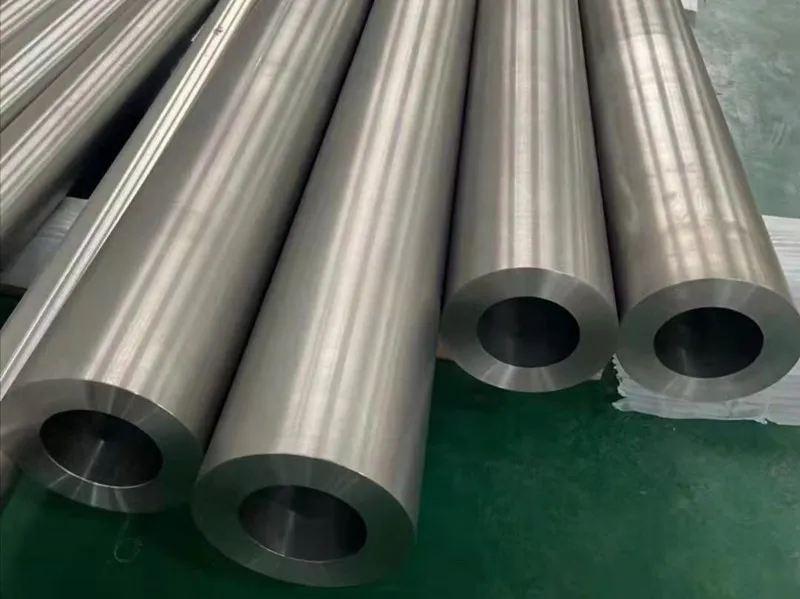
[Titanium Tubes] — used in heat exchangers, chemical processing systems and fluid-handling equipment.
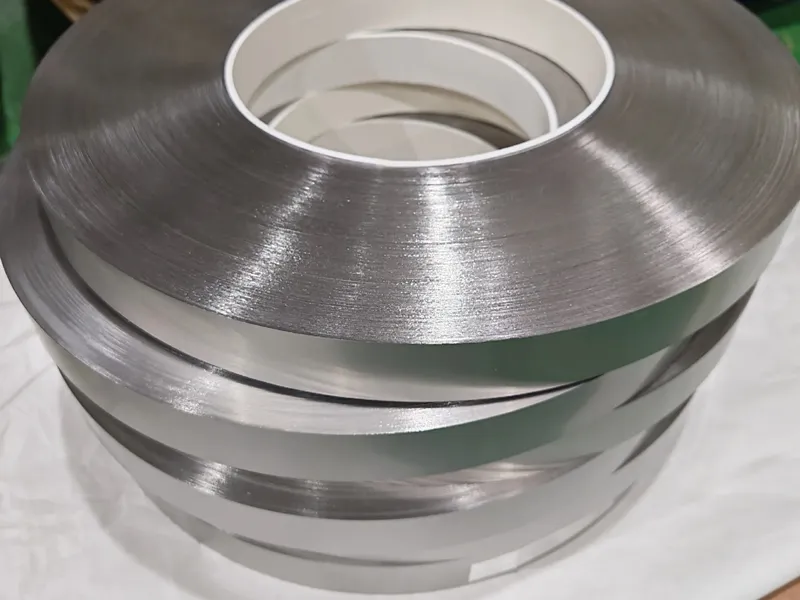
[Titanium Foil] — used in precision components, thin-walled parts and applications requiring thin titanium material.
[Titanium Wires] — used for welding, wire forming and the production of specialized industrial components.
[Titanium Forgings] — used for structural components, shafts, rings and other parts requiring specific shapes and mechanical properties.
Different titanium grades are available across these product forms, depending on the applicable standards and supply specifications. Selecting the appropriate combination of grade, product form and dimensions helps ensure that the material meets the requirements of the intended application.