What are high performance metal alloys?
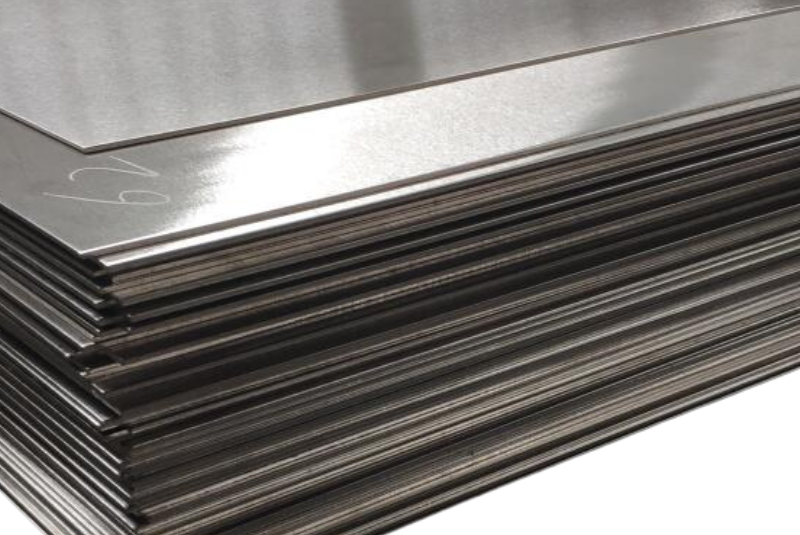
High performance metal alloys are a class of advanced engineering materials designed to deliver exceptional mechanical and physical properties under demanding service conditions. They are widely used in aerospace, automotive, energy, medical, and industrial applications where conventional metals cannot meet performance requirements.
Unlike a single alloy family, high performance alloys are defined by performance rather than chemistry. This is why terms such as high temperature alloys and high entropy alloys are often mentioned together with high performance alloys — sometimes correctly, sometimes not.
This article clarifies the differences, overlaps, and practical relationships between high performance metal alloys, superalloys (high temperature alloys), and high entropy alloys, while showing how widely used materials such as aluminum alloys and titanium alloys fit naturally into the high performance category.
What Are High Performance Alloys?
High performance alloys are a broad, application-driven category. The term describes alloys engineered to outperform standard materials under specific conditions, such as high stress, corrosive environments, or strict weight limitations.
Typical alloy systems classified as high performance include:
Aluminum alloys (2xxx, 6xxx, 7xxx series)
Titanium alloys (Ti-6Al-4V, Ti-6Al-4V ELI)
Nickel-based alloys
Cobalt-based alloys
Specialty stainless steels
In practice, high performance alloys are selected not because they belong to a certain metallurgical theory, but because they solve real engineering problems.
Key Characteristics of High Performance Metal Alloys
A metal alloy is generally considered “high performance” when it offers one or more of the following advantages compared with conventional materials:
High strength or high strength-to-weight ratio
Excellent performance at elevated temperatures
Superior corrosion and oxidation resistance
Long fatigue life and structural stability
Reliable performance in extreme or critical environments
Because different industries prioritize different properties, high performance alloys include lightweight alloys (such as aluminum and titanium) as well as high-temperature-resistant alloys used in thermal extremes.

What Kind of Aluminum and Titanium Alloys Are High Performance Alloys?
High performance metal alloys are defined by their ability to meet demanding engineering requirements. Among them, certain aluminum and titanium alloys stand out due to their strength, lightweight characteristics, and durability.
Aluminum Alloys
High performance aluminum alloys include:
2000 Series (e.g., 2024, 2014) – high strength and excellent fatigue resistance, widely used in aerospace structures.
6000 Series (e.g., 6061, 6082) – balanced strength, corrosion resistance, and machinability, ideal for aerospace, automotive, and industrial components.
7000 Series (e.g., 7075, 7050, 7175) – among the strongest aluminum alloys, used in aircraft-grade load-bearing parts.
Key advantages: low density, high strength after heat treatment, good corrosion resistance, and excellent machinability.

Titanium Alloys
High performance titanium alloys include:
Ti-6Al-4V (Grade 5) – excellent strength-to-weight ratio and corrosion resistance, used in aerospace and industrial applications.
Ti-6Al-4V ELI (Grade 23) – improved toughness and fatigue performance, commonly used in medical and aerospace components.
Commercially Pure Titanium (Grades 1–4) – superior corrosion resistance and formability, suitable for chemical and marine environments.
Key advantages: exceptional strength-to-weight ratio, long-term stability, corrosion resistance, and biocompatibility.

High Performance Alloys vs. High Temperature Alloys vs. High Entropy Alloys
What Are High Temperature Alloys (Superalloys)?
High temperature alloys, commonly known as superalloys, are a specialized subset of high performance alloys. They are designed to maintain mechanical strength and surface stability at temperatures typically above 600°C (1110°F).
Key features of high temperature alloys:
Exceptional resistance to creep and thermal fatigue
Strong oxidation and hot corrosion resistance
Structural stability at sustained high temperatures
Common types of superalloys:
Nickel-based superalloys (most widely used)
Cobalt-based superalloys
Iron-based superalloys
Typical applications:
Aircraft and jet engine components
Gas turbines and power generation systems
Aerospace and high-temperature industrial equipment
Relationship to high performance alloys:
All high temperature alloys are high performance alloys, but not all high performance alloys are high temperature alloys.
What Are High Entropy Alloys (HEAs)?
High entropy alloys (HEAs) represent a new alloy design concept rather than a traditional alloy family. Unlike conventional alloys that rely on one main element, HEAs contain multiple principal elements—often five or more—in near-equal atomic proportions.
Core characteristics of high entropy alloys:
Multi-principal-element composition
High configurational entropy
Tendency to form simple solid-solution phases
Performance potential:
Depending on composition, high entropy alloys may offer:
High strength across a wide temperature range
Excellent wear and corrosion resistance
Improved structural stability under extreme conditions
However, it is important to note that many high entropy alloys are still in the research or early industrial stage. Only some HEAs currently meet the cost, scalability, and reliability requirements needed for widespread commercial use.
Relationship to high performance alloys:
Some high entropy alloys qualify as high performance alloys, but high entropy alloys are defined by composition strategy—not guaranteed performance.
Summary of comparison of three alloys
| Category | High Performance Alloys | High Temperature Alloys | High Entropy Alloys |
|---|---|---|---|
| Definition | Performance-driven category | High-temperature-focused alloys | Multi-element alloy design concept |
| Main Goal | Superior overall performance | Strength and stability at high temperatures | Structural stability via high entropy |
| Application Maturity | Widely industrialized | Highly mature | Partially industrialized |
| Typical Systems | Al, Ti, Ni, Co, steels | Ni, Co, Fe superalloys | Multi-principal-element systems |