Aluminium in Lightweight Automotive Industry Applications
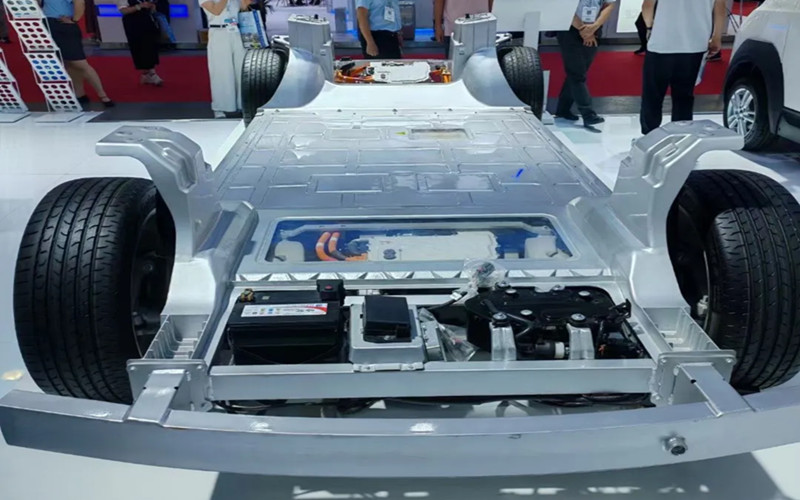
Lightweighting has long been a design objective in the automotive industry. However, the rapid transition from internal combustion engine (ICE) vehicles to new energy vehicles (NEVs), including battery electric vehicles (BEVs) and plug-in hybrids, has fundamentally changed how lightweighting is approached.
For automotive component manufacturers, this shift is not simply about vehicle performance—it directly affects material selection, machining processes, cost structures, and long-term sourcing strategies. In this context, aluminum alloys are no longer just an alternative to steel; they have become a core material enabling modern automotive manufacturing.
Aluminum Used in ICE vs. New Energy Vehicles
In traditional ICE vehicles, aluminum was primarily used to reduce fuel consumption and improve handling. Typical aluminum content ranged from 120 to 150 kg per vehicle, mainly concentrated in non-structural or semi-structural components.
In contrast, modern NEVs rely much more heavily on aluminum to offset the significant weight of battery systems and to support new vehicle architectures.
| Vehicle Type | Average Aluminum Content |
|---|---|
| ICE vehicles | ~120–150 kg |
| Hybrid vehicles | ~180–220 kg |
| Battery EVs | ~250–300+ kg |
Leading manufacturers such as Tesla and BYD have accelerated this trend by adopting aluminum-intensive designs, including large structural castings, aluminum battery enclosures, and integrated body structures.
Detailed Usage in Auto Vehicles(especially EV)
The increase in aluminum usage is not arbitrary. It is driven by structural and functional changes in modern vehicles—especially EV platforms.
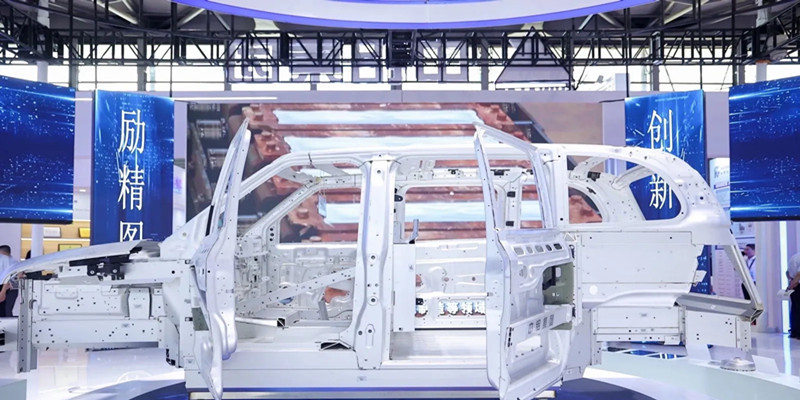
1. Body Structure and Frame Components
EVs require stronger yet lighter body structures to compensate for battery weight while maintaining crash safety standards. As a result, many body components previously made from steel are now replaced by aluminum sheets and extrusions.
Typical components include:
Side sills
Cross members
Floor structures
Front and rear subframes
Why aluminum replaces steel:
High strength-to-weight ratio
Excellent corrosion resistance
Compatibility with extrusion and forming processes
Common aluminum alloys used:
6xxx series aluminum sheets and extrusions for structural balance
【 6061 aluminum sheet / 6082 aluminum extrusion】
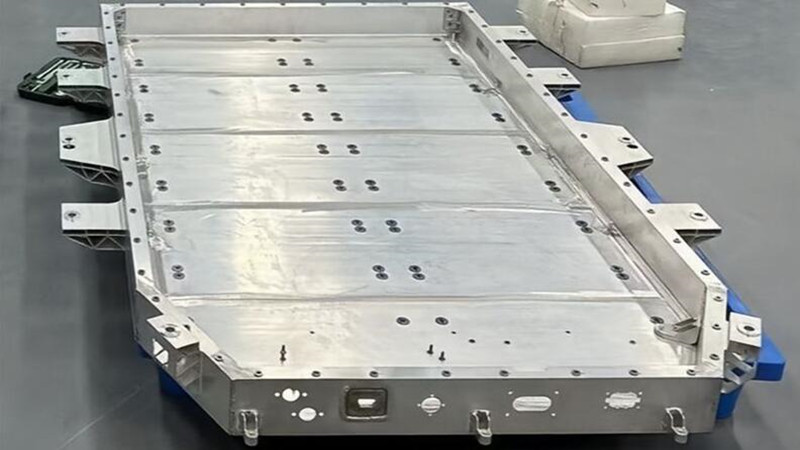
2. Battery System Components:
Battery systems are unique to NEVs and represent one of the most aluminum-intensive areas of the vehicle.
Key aluminum components include:
Battery trays
Battery enclosures
Cooling plates and housings
These components require materials that offer dimensional stability, corrosion resistance, thermal performance, and machinability.
Aluminum alloys from the 5xxx and 6xxx series are widely used due to their weldability and resistance to electrolytic corrosion.
【5052 aluminum plate / 5083 aluminum plate】
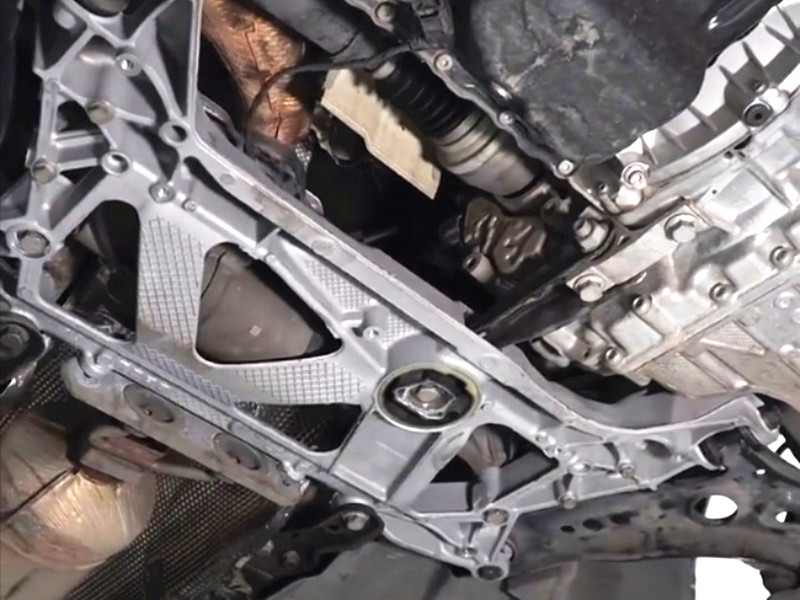
3. Chassis and Suspension Parts
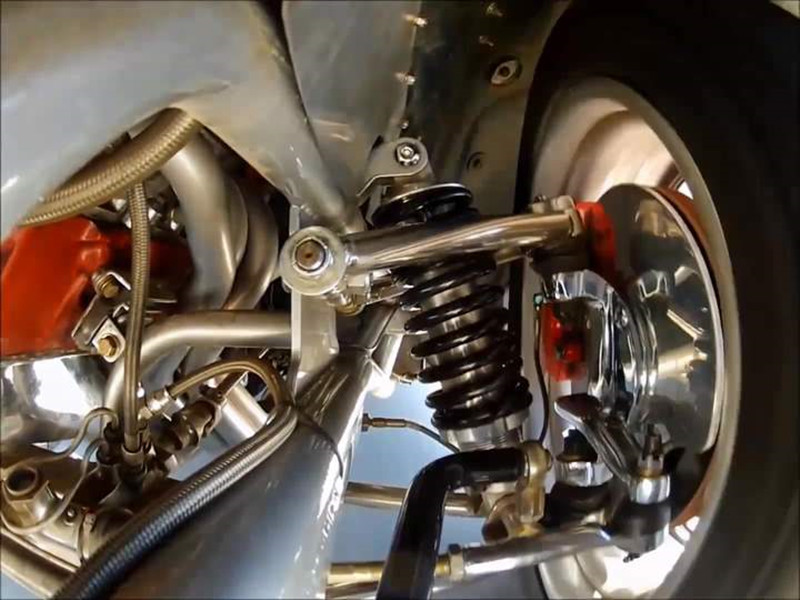
Reducing unsprung mass is critical for ride comfort and vehicle handling. For this reason, aluminum is increasingly replacing steel in chassis and suspension systems.
Common aluminum suspension components:
Control arms
Steering knuckles
Subframes
These parts are often produced using forging combined with CNC machining, where aluminum offers significant productivity advantages.
Preferred alloys:
6061 for general structural strength
7075 for high-load, performance-critical components
【6061 aluminum bar / 7075 aluminum forging】
How Aluminum Reduce Manufacturing Costs
Although aluminum has a higher raw material price than steel, it often reduces total manufacturing costs for component suppliers.
1. Improved Machining Efficiency
Higher cutting speeds
Lower tool wear
Shorter cycle times
2. Structural Integration
Aluminum extrusions enable multi-function designs
Fewer welded parts and fasteners
3. Logistics and Assembly Advantages
Lighter components reduce transportation costs
Easier handling during assembly
4. Lifecycle and Recycling Value
Excellent corrosion resistance
High scrap value and recyclability
For component manufacturers, aluminum is not just a lightweight material—it is a manufacturing efficiency material.
Aluminum vs. Steel in Auto Manufacturing
Aluminum does not replace steel in every application. Instead, modern automotive design increasingly adopts multi-material solutions, where aluminum is used selectively to maximize performance and efficiency.
Typical material allocation trends:
Aluminum for large structural, battery, and chassis components
Advanced high-strength steel for localized reinforcement areas
This balanced approach allows manufacturers to optimize both cost and performance.
Aluminum vs. Titanium in New Energy Vehicle Manufacturing
While aluminum alloys dominate lightweight automotive applications, titanium alloys are often mentioned as a potential next-generation material—particularly in the context of electric vehicles. From a performance standpoint, titanium offers exceptional strength, corrosion resistance, and thermal stability. However, its role in new energy vehicle manufacturing remains highly specialized rather than mainstream.
Why Titanium Is Not a Primary Structural Material for EVs
Despite its impressive properties, titanium alloys face significant barriers in large-scale automotive applications:
Cost constraints: Titanium alloys typically cost several times more than aluminum, making them unsuitable for high-volume vehicle production.
Manufacturing complexity: Titanium is difficult to machine, weld, and form, resulting in longer cycle times and higher tooling costs.
Performance overqualification: Most EV structural components do not require the extreme strength or temperature resistance that titanium provides.
As a result, titanium alloys are rarely used in large structural components such as body panels, frames, or battery enclosures.
Where Titanium Is Used in Practice
In current new energy vehicles, titanium is limited to low-volume, high-performance applications, including:
Suspension fasteners and connectors
High-strength brackets in performance-oriented models
Specialized components requiring superior corrosion resistance
These applications are typically found in premium or performance-focused vehicles rather than mass-market EV platforms.
Aluminum as the Optimal Balance
For the automotive industry—especially EV manufacturing—material selection is ultimately driven by scalability, manufacturability, and total system cost. Aluminum alloys provide the optimal balance between weight reduction, mechanical performance, cost efficiency, and process compatibility.
In this context:
Steel represents cost efficiency
Titanium represents performance extremes
Aluminum represents the most practical and scalable lightweight solution
This balance explains why aluminum continues to expand its role across body structures, battery systems, and chassis components in modern new energy vehicles.
Future Trends in Automotive Aluminum Applications
Looking ahead, several trends will further strengthen aluminum’s role in automotive manufacturing:
Continued growth of EV platforms with aluminum-intensive designs
Increased use of recycled aluminum with controlled quality
Expansion of large aluminum castings and extrusions
Greater demand for stable, specification-driven aluminum supply chains
For automotive component manufacturers, early alignment with reliable aluminum alloy suppliers will be a key competitive advantage.
Frequently Asked Questions (FAQ)
Is aluminum really better than steel for lightweighting?
Yes, aluminum offers a superior strength-to-weight ratio, making it ideal for weight-sensitive applications.Does aluminum increase manufacturing costs?
While raw material costs may be higher, aluminum often reduces overall manufacturing and lifecycle costs.Which aluminum alloy is most commonly used in automotive components?
6xxx series alloys are widely used for structural parts, while 5xxx series alloys are preferred for battery systems.Will aluminum completely replace steel in future vehicles?
No. The industry is moving toward optimized multi-material designs rather than full replacement.
Conclusion
As the automotive industry transitions from ICE vehicles to new energy platforms, aluminum alloys are becoming indispensable to lightweight design, efficient manufacturing, and cost optimization.
For automotive component manufacturers, understanding how aluminum integrates into modern vehicle architectures is essential—not only to meet current demand, but to prepare for the next generation of automotive production.