Blog

What is 6101 aluminum and its properties?

What is 6101 aluminum and its properties?

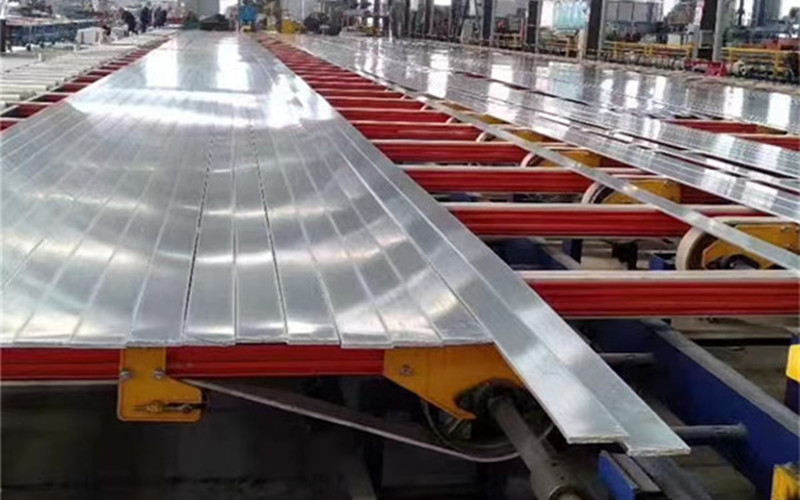
In modern electrical power distribution systems, 6101 aluminum is widely recognized as one of the most important alloys for busbars and high-current conductors. Unlike general-purpose alloys, specifically engineered …
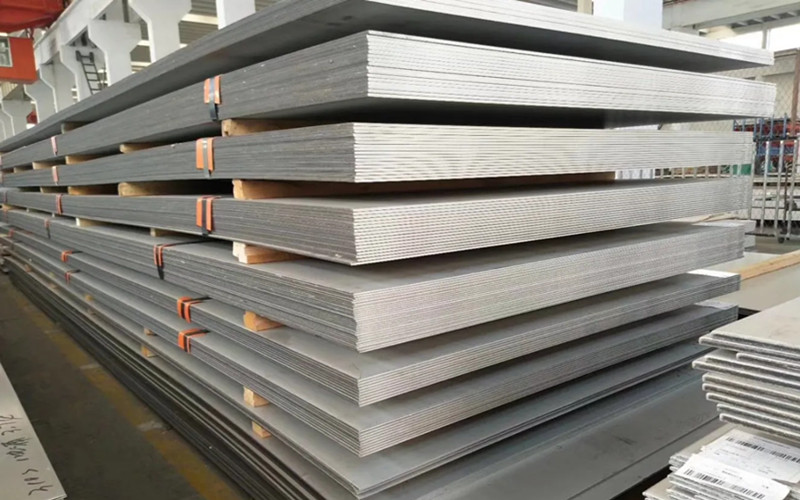
EN 10204 3.1 and 3.2 difference about Aluminum

EN 10204 3.1 and 3.2 difference about Aluminum

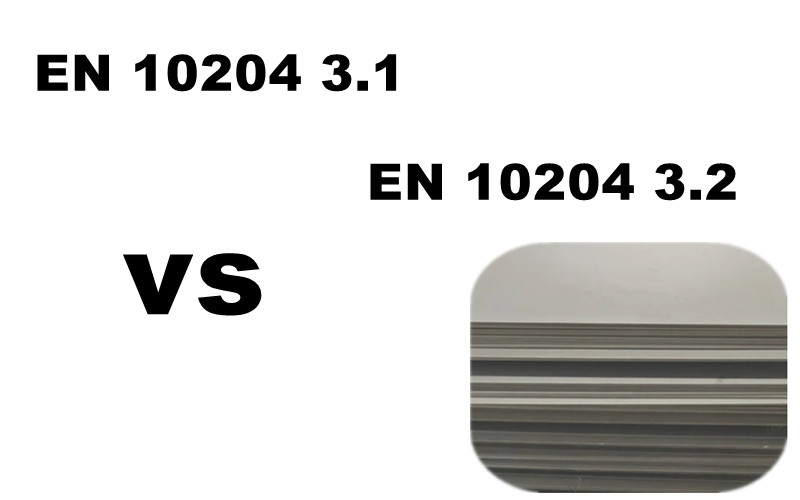
EN 10204 isn't a material property standard like ASTM B209 for aluminum — it's documentation and certification that applies to all metallic products, including alloys.EN – Inspection Documents Aluminum ProductsSpecifies …

Copper Nickel Alloy Difference C70600 vs C71500

Copper Nickel Alloy Difference C70600 vs C71500

What is material grade C70600?C70600 a 90/10 copper-nickel alloy (90% copper, 10% nickel) with good corrosion resistance in seawater, commonly used marine piping and heat exchangers.What C71500 material?C71500 70/30 (70% 30% …

How to Cut, Bend, and Weld Copper Pipe Tube?

How to Cut, Bend, and Weld Copper Pipe Tube?

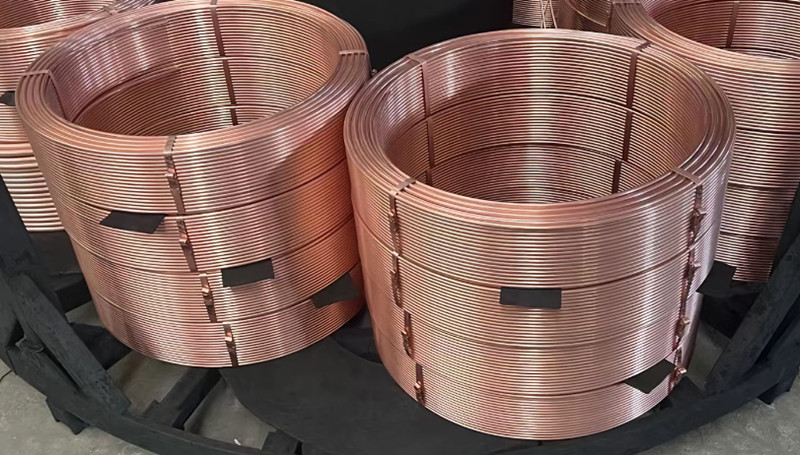
When working with copper tubes, many people run into common problems such as crooked cuts, flattened bends, or weak weld joints that cause leaks. These issues can occur whether you are a DIY beginner limited tools professional …

Tin Foil vs Aluminum Foil: what's the difference?

Tin Foil vs Aluminum Foil: what's the difference?

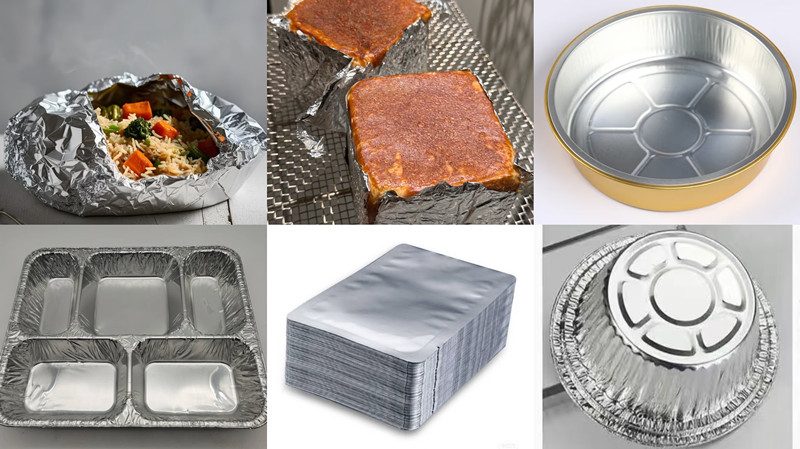
Tin Foil vs Aluminum Foil: are they the same thing or completely different materials?Many people—including professionals in manufacturing and packaging—still use terms “tin foil” “aluminum interchangeably. At first glance, look …

Quickly Inquiry